How to Transplant Menzies's larkspur?
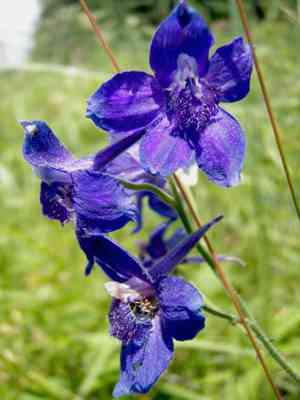
For menzies's larkspur, the ideal period for relocation spans from the onset of early spring's thaw through the milder temperatures of mid-spring. Select a location bathed in sunlight with soil that drains effectively. Carefully transfer menzies's larkspur to its new site, taking care to disturb the roots as little as possible to ensure optimal integration.
What Preparations are Needed Before Transplanting Menzies's Larkspur?
What is the Ideal Time for Transplanting Menzies's Larkspur?
The perfect time for relocating menzies's larkspur is during spring's onset, from its initial stirrings to mid-season. This period offers mild, supportive temperatures, fostering strong root development. By selecting this season, you utilize the gentle weather, allowing menzies's larkspur to establish itself without extreme conditions. A friendly reminder - careful attention during this stage ensures your menzies's larkspur's thriving future!
How Much Space Should You Leave Between Menzies's Larkspur Plants?
Hello, gardener! When moving your menzies's larkspur, aim to provide ample room. Optimal spacing is approximately 12-18 inches (30-46 cm) apart. This ensures your menzies's larkspurs have sufficient area to grow and flourish without competing for nutrients or sunlight.
What is the Best Soil Mix for Menzies's Larkspur Transplanting?
Your menzies's larkspurs will thrive in rich, well-draining soil. Before transplanting, incorporate compost or a balanced, slow-release fertilizer to give your menzies's larkspur a strong start. Target a soil pH near neutral; they are quite adaptable but prefer fertile ground!
Where Should You Relocate Your Menzies's Larkspur?
Choose a sunny location for your menzies's larkspur where it can receive at least 6 hours of daily sunlight. These plants enjoy warmth! Partial shade is also suitable, especially in hotter climates, to shield them from intense afternoon sun.
What Equipments Should You Prepare Before Transplantation Menzies's Larkspur?
Gardening Gloves
To safeguard your hands while handling soil and menzies's larkspur.
Trowel
For excavating small holes and managing earth around the plant.
Garden Spade or Shovel
For lifting the menzies's larkspur with minimal disruption to its root system.
Watering Can or Hose
To hydrate the menzies's larkspur before and after the relocation process.
Pruners
For trimming any dead or damaged roots or leaves prior to transplanting.
Wheelbarrow or Garden Cart
To move the menzies's larkspur and soil to and from the new planting site.
How Do You Remove Menzies's Larkspur from the Soil?
How Do You Remove Menzies's Larkspur from the Soil?
From Ground: First, moisten the menzies's larkspur plant to soften the soil. Next, use a shovel or spade to dig a wide trench around the plant, ensuring you are far enough away to avoid cutting into the root ball. Gently work the spade beneath the root ball and carefully lift the menzies's larkspur from the ground.From Pot: Water the menzies's larkspur thoroughly before beginning, which will help reduce root disturbance. With your hand supporting the menzies's larkspur's base, gently tilt the pot sideways and ease the plant out. Confirm that the root ball is intact and retains some potting soil.From Seedling Tray: Dampen the soil in the tray to encourage the root ball to stay together. Carefully loosen the soil around the edges with a trowel or your fingers, then gently lift the menzies's larkspur seedling to ensure minimal root damage.
Step-by-Step Guide for Transplanting Menzies's Larkspur
Preparation
Ready the new planting location in advance so the menzies's larkspur can be quickly moved, minimizing its time out of soil and speeding up recovery.
Root Pruning
Examine the menzies's larkspur's root ball for any dead or broken roots and use pruners to remove them. Healthy roots should be preserved as much as possible to aid better establishment in the new spot.
Planting Hole
Excavate a hole that is twice as wide and equally deep as the root ball to provide the menzies's larkspur's roots ample room to expand.
Positioning
Place the menzies's larkspur in the middle of the hole, ensuring it sits at the same depth it was previously growing - neither deeper nor shallower.
Fill In
Gently backfill the hole with the removed soil, lightly patting it down around the root ball to eliminate air pockets.
Watering
Thoroughly water the menzies's larkspur after planting to settle the soil and hydrate the roots.
Support
If needed, add supports like stakes to help the menzies's larkspur stay upright and stable as it adjusts to its new environment.
How Do You Care For Menzies's Larkspur After Transplanting?
Monitoring
Observe the menzies's larkspur daily. The initial few weeks are crucial for transplant success. Look for signs of stress such as wilting leaves or discoloration.
Watering
Regularly irrigate the menzies's larkspur to keep the soil moist but not saturated. Excessive watering can be as detrimental as insufficient watering.
Stabilization
Ensure that any support structures, such as stakes, remain firm and adjust them as needed while the menzies's larkspur grows.
Mulching
Apply a layer of mulch around the base of the menzies's larkspur to help retain soil moisture and regulate temperature.
Troubleshooting Common Issues with Menzies's Larkspur Transplantation.
When's the best time to transplant menzies's larkspur?
The optimal period for transplanting menzies's larkspur is when spring begins but before it fully progresses, ideally early to mid-spring.
How far apart should I space menzies's larkspur when transplanting?
Space them appropriately, allowing each about 12-18 inches (30-45 cm) to thrive. This clearance is vital for growth.
Why is my transplanted menzies's larkspur wilting?
Wilting may indicate shock. Keep the soil damp and shield from direct sun for a week after transplant.
What soil conditions favor menzies's larkspur when transplanting?
They flourish in well-draining, fertile soil. Mix in some compost to provide them a nourishing head start.
How much sun does menzies's larkspur need after transplanting?
Ensure they receive full sun to partial shade, especially to strengthen them following the transplanting process.
Should I water menzies's larkspur immediately after transplanting?
Absolutely! Hydrate the roots generously right after you transplant to help them settle into their new location.
Why are the leaves on my transplanted menzies's larkspur turning yellow?
Yellow leaves can indicate overwatering or poor drainage. Check moisture levels and drainage conditions and make adjustments as needed.
How deep should I plant menzies's larkspur's roots?
Plant the roots at the same depth they were growing before. Too deep or shallow can stress or kill them.
Can I use fertilizer after transplanting menzies's larkspur?
Yes, but wait a few weeks post-transplant. Use a balanced, slow-release fertilizer to encourage vigorous growth.
What should I do if menzies's larkspur isn't showing new growth after transplanting?
Patience is essential. If you've followed care instructions and there are no signs of distress, allow it time. New growth may take several weeks to appear.



