How to Transplant Candle larkspur?
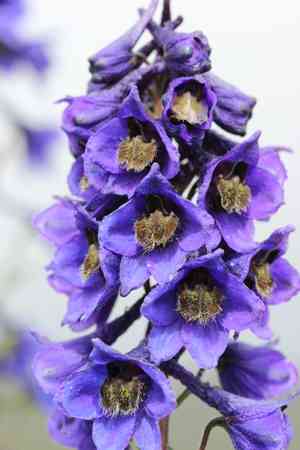
For robust candle larkspur plants, the perfect period for relocation is early spring, providing sufficient time for root development prior to the onset of summer warmth. Select locations featuring soil that drains effectively and receives partial to complete sunlight. Carefully untangle any matted roots to foster vigorous growth during the transplanting process.
What Preparations are Needed Before Transplanting Candle Larkspur?
What is the Ideal Time for Transplanting Candle Larkspur?
The optimal period for relocating candle larkspur is at the onset of spring, as winter's chill subsides. This timing primes the plant for its upcoming growth surge and strengthens its root system. Moving candle larkspur as spring approaches ensures the plant has sufficient time and suitable conditions to establish itself prior to summer's heat, enhancing its resilience and promoting better growth. Remember, effective timing of your transplant is the initial step towards a healthy and abundant candle larkspur.
How Much Space Should You Leave Between Candle Larkspur Plants?
For candle larkspur, provide each plant ample room to develop and flourish. Position your young plants approximately 1-3 feet (30-90 cm) apart when moving them to your garden.
What is the Best Soil Mix for Candle Larkspur Transplanting?
Our candle larkspur companion will thrive in well-draining soil, enriched with organic matter such as compost. Incorporating a slow-release granular fertilizer will provide your candle larkspur with an additional boost!
Where Should You Relocate Your Candle Larkspur?
To keep candle larkspur content, select a spot that receives at least 6 hours of direct sunlight daily. It's also crucial to ensure the location offers some protection from strong winds.
What Equipments Should You Prepare Before Transplantation Candle Larkspur?
Gardening Gloves
Essential for safeguarding your hands from dirt, sharp objects, and potential skin irritants during the transplanting process.
Shovel or Garden Spade
Crucial for excavating the candle larkspur plant from its original spot without harming the root system.
Pruning Shears
To trim away any dead or damaged portions of the candle larkspur before relocation.
Planting Pots (if required)
These are necessary if you are moving the candle larkspur from the ground into a container.
Wheelbarrow or Gardening Tote
For conveying the candle larkspur from its initial location to the new transplanting site.
Bucket of Water
For hydrating the candle larkspur before and after its relocation.
Mulch
This is vital for maintaining moisture around the candle larkspur following transplantation.
How Do You Remove Candle Larkspur from the Soil?
How Do You Remove Candle Larkspur from the Soil?
From Ground: First, thoroughly water the candle larkspur to moisten the surrounding soil. This will facilitate easier excavation of the plant without damaging its roots. Using a shovel or spade, begin digging a trench around the plant. Ensure the trench is deep and wide enough to encompass the plant's root system. Carefully dig beneath the plant and gently lift it from the ground, taking care to keep the soil around the roots intact.From Seedling Tray: Moisten the tray's soil, then carefully extract the candle larkspur by gently squeezing or tapping the tray from below. Be cautious not to harm the delicate young stem and roots during this process.From a Pot: Water the pot beforehand, then carefully turn it on its side. Gently ease the candle larkspur out of the pot by pulling at the base of the stems. Avoid tugging on the stems or leaves, as this could injure the plant.
Step-by-Step Guide for Transplanting Candle Larkspur
Preparation
Fill the wheelbarrow or gardening tote with water and immerse the candle larkspur's root ball in it while you get the new planting site ready.
Planting Hole
The planting hole should be twice the width and the same depth as the candle larkspur's root ball. The top of the root ball should be level with the ground surface.
Placing the Plant
Position the candle larkspur in the planting hole. The plant should be upright and centered within the hole.
Refilling
Backfill the hole with the same soil that was initially removed. After backfilling, gently but firmly press down the soil around the base of the candle larkspur to eliminate air pockets.
Watering
Thoroughly water the planting area, ensuring the soil is uniformly moist.
Mulching
Apply a layer of mulch around the candle larkspur to aid in moisture retention and soil temperature regulation.
How Do You Care For Candle Larkspur After Transplanting?
Staking
If the candle larkspur is tall and slender, it might require a stake for support in its new location, especially in windy conditions. Just ensure the stake doesn't harm the rootball when inserted.
Pruning
Do not be tempted to prune the candle larkspur immediately after transplanting, as this can cause additional stress to the plant. Wait until new growth appears before beginning to shape or size the plant.
Feeding
Do not apply fertilizer right after transplanting; wait until the candle larkspur shows signs of new growth. This indicates that the plant has settled in and is ready to grow.
Monitoring
Watch for any indications of transplant shock, such as wilting, yellowing leaves, or a lack of new growth. Contact a local nursery or extension service if assistance is needed.
Troubleshooting Common Issues with Candle Larkspur Transplantation.
What is the best time to transplant candle larkspur?
The ideal period for relocating candle larkspur is early spring. This allows the plant to establish roots in its new environment before the growing season commences.
How far apart should I plant candle larkspur?
Provide candle larkspur with adequate room to grow. Spacing should be 1-3 feet (30-90 cm) apart. This distance promotes good air circulation and limits disease spread.
Why are my transplanted candle larkspur wilting?
Wilting can occur due to transplant shock, particularly if not properly watered after relocation. Keep the soil consistently moist. Also, avoid intense sunlight immediately after transplanting.
Is it necessary to prune candle larkspur before transplanting?
Pruning isnât mandatory before transplanting, but light pruning is advisable. It helps by reducing stress on the plant and encouraging new growth.
What type of soil is suitable for transplanting candle larkspur?
Candle larkspur thrives in well-drained soil with a moderate fertility level. Avoid heavy clay soils; if this is your only option, incorporate some organic matter to improve its texture.
Why are the leaves on my transplanted candle larkspur turning yellow?
Yellow leaves often indicate over or under-watering. They can also signal a nutrient deficiency. Ensure your plant receives necessary nutrients and sufficient water.
What size of a pot should I choose when transplanting candle larkspur to a container?
If you're moving candle larkspur to a container, ensure the pot is sufficiently large. It should be at least 10-12 inches (25-30 cm) in diameter to allow ample growth.
How do I prepare my candle larkspur for transplantation?
Water candle larkspur thoroughly the day before transplanting. Gently remove it from its current location, minimizing root disturbance. Trim any excessively long or damaged roots.
Should I fertilize candle larkspur immediately after transplanting?
Candle larkspur requires time to recover from the shock of transplantation. Wait a few weeks before applying a balanced slow-release fertilizer to promote vigorous growth.
What steps can I take if candle larkspur shows no signs of growth after transplantation?
Occasionally, candle larkspur may take time to adjust. Ensure it's receiving adequate sunlight and water. If there's still no growth after a few weeks, consult a local nursery or extension service.



