How to Transplant Wild carrot?
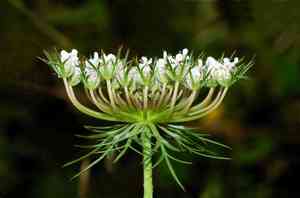
The ideal period for relocating wild carrot is amidst the pleasant warmth of mid-spring through early summer. Select a site with full sun or partial shade for best development. Remember that wild carrot thrives in soil that drains effectively and requires adequate room. Savor the experience!
Necessary Preparations Before Relocating Wild Carrot?
Optimal Timing for Transplanting Wild Carrot?
The best period to move wild carrot is from mid-spring to early summer, providing ideal growth conditions. This offers ample sunlight, warmth, and sufficient time for root establishment and thriving.
Required Spacing Between Wild Carrot Plants?
When transplanting wild carrot, ensure a spacing of approximately 1-2 feet (30-60 cm) between them. This allows ample room for growth and helps prevent overcrowding.
Best Soil Mixture for Wild Carrot Transplanting?
Prepare your soil for wild carrot by incorporating compost or well-decomposed manure to create a rich, well-draining medium. We suggest using a balanced organic fertilizer to supply essential nutrients and enhance soil structure.
Where to Replant Your Wild Carrot?
Select a sunny location in your garden for transplanting wild carrot. They thrive in full sunlight for at least 6-8 hours daily. Remember, a bit of afternoon shade can be beneficial in hotter climates!
Equipment Needed Before Transplanting Wild Carrot?
Gardening Gloves
To safeguard your hands while handling soil and plants.
Shovel or Spade
For digging holes and trenches, as well as lifting and moving the plant.
Trowel
Used for excavating smaller holes and managing the plant's root ball.
Hand Pruner
To trim any damaged or unnecessary roots prior to transplanting.
Watering Can or Hose
For hydrating the plant during the transplanting process.
Stakes and Ties
To offer support for taller wild carrot plants if necessary.
How to Extract Wild Carrot from the Soil?
How to Extract Wild Carrot from the Soil?
- From Ground:First, water the wild carrot plant to moisten the soil, making it easier to work with. Dig a wide trench around the plant using a shovel or spade, ensuring the plant's root ball remains intact. Carefully work the spade under the root ball to lift the plant from its original location. If possible, avoid damaging any taproots, as wild carrot plants rely on these for nutrition.- From Pot:Water the wild carrot plant in its pot to dampen the soil and help it detach from the container's sides. Gently tip the pot on its side or upside down, holding the base of the plant to guide it out. Be careful not to harm the root ball or main stem during this process.- From Seedling Tray:Moisten the potting mix around the wild carrot seedling to help it separate from the tray. Carefully lift the seedling by its cotyledons (first leaves) or true leaves and gently untangle the roots from any adjacent seedlings.
Step-by-Step Guide for Transplanting Wild Carrot
Site Assessment
Choose a location that has been prepared according to the wild carrot plant's sunlight and spacing requirements.
Soil Preparation
Ensure the soil has already been amended with compost or other organic matter if needed and drains well.
Digging the Hole
Excavate a hole for the wild carrot plant that is as deep as the root ball and twice its width. This provides ample space for roots to spread and establish in their new environment.
Root Ball Examination
Carefully inspect the wild carrot plant's root ball, using hand pruner to trim any damaged or excessively long roots. If the plant was potted, gently loosen the roots if they were root-bound.
Placing the Plant
Carefully position the wild carrot plant into the hole, ensuring the top of the root ball is level with the surrounding soil. Backfill the hole with soil, gently tamping it down to remove air pockets.
Watering
Thoroughly water the wild carrot plant to help settle the soil around the roots and rehydrate the plant after the transplanting process.
Staking (if required)
For taller wild carrot plants, provide support with stakes and ties, being careful not to damage the plant's stem.
How to Care for Wild Carrot After Transplanting?
Watering
Ensure the soil around the wild carrot plant remains consistently moist, but not waterlogged, for the initial few weeks post-transplant to encourage strong root development.
Mulching
Apply a layer of organic mulch around the wild carrot plant to help retain moisture and suppress weed growth.
Inspecting
Periodically check the wild carrot plant for signs of stress or disease and address any issues promptly. Regularly monitor the ties and stakes (if used), adjusting them as needed to prevent damage to the plant.
Fertilizing
Provide the necessary additional nutrients for the wild carrot plant according to its fertilizer requirements.
Troubleshooting Common Issues with Wild Carrot Transplantation.
When is the best time to transplant wild carrot?
The optimal period to transplant wild carrot is from mid-spring to early summer, ensuring favorable growing conditions.
What is the ideal spacing for transplanting wild carrot?
When transplanting wild carrot, maintain a spacing of 1-2 feet (30-60 cm) between plants to promote healthy growth.
How deep should wild carrot seedlings be planted?
Plant wild carrot seedlings at the same depth they were in their original containers, typically about 2-4 inches (5-10 cm) deep.
How do I ensure proper soil preparation for wild carrot?
Prepare the soil by loosening the top 10-12 inches (25-30 cm) and incorporating compost or organic matter.
What type of sunlight is required for wild carrot growth?
Wild carrot should be planted in full sun, receiving at least 6 hours of direct sunlight daily for optimal growth.
How much water does wild carrot need after transplanting?
Water wild carrot until the soil is uniformly moist after transplanting. Maintain consistent moisture, but avoid overwatering.
When should I fertilize wild carrot after transplanting?
Wait 4-6 weeks after transplanting and apply a balanced, slow-release fertilizer, following package instructions.
What can I do if I notice wilted wild carrot seedlings?
If wild carrot seedlings wilt, ensure adequate watering, check for pests, and provide temporary shade for recovery.
How do I minimize transplant shock for wild carrot?
Minimize transplant shock by transplanting on a cloudy day or in the evening, and water immediately after planting.
What to do if my transplanted wild carrot isn't growing?
Patience is key! If growth is slow, ensure proper sunlight, watering, and soil conditions. Fertilize if necessary.



