How to Transplant Western jimson weed?
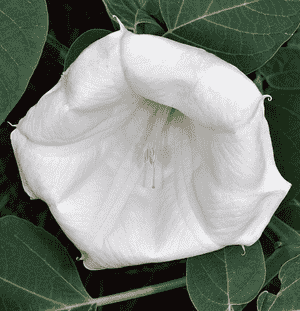
The most favorable period for moving western jimson weed is at the transition from late spring to early summer, utilizing this phase of active development. Select a bright, adequately drained spot to foster vigorous growth. Careful manipulation is crucial for successful transplantation.
Necessary Preparations Before Relocating Western Jimson Weed?
Optimal Period for Relocating Western Jimson Weed?
The ideal time to move western jimson weed is late spring or early summer. This timeframe offers mild temperatures and ample daylight, facilitating a smooth adjustment for western jimson weed roots in their new spot. Moving western jimson weed then ensures it benefits from the peak growing season, allowing it to thrive and strengthen before autumn's chill. Choosing this period provides western jimson weed with the gentle conditions it prefers for best growth, enhancing your garden's vibrancy with western jimson weed's distinct presence.
Recommended Spacing Between Western Jimson Weed Plants?
Prepare for some gardening with western jimson weed! You'll want to space your young plants quite far apart, ideally around 3 to 4 feet (90-120 cm). This spacing ensures they have ample room to develop freely and healthily.
Best Soil Blend for Western Jimson Weed Relocation?
For the optimal environment for relocating western jimson weed, seek well-draining soil enriched with organic matter like compost. Incorporate a slow-release base fertilizer to supply all essential nutrients. Your western jimson weed will certainly appreciate it!
Where to Replant Your Western Jimson Weed?
Remember, western jimson weed loves plenty of sunshine! So choose a garden spot that receives at least six hours of sun daily. This sunny location is where your western jimson weed will thrive best. Happy gardening!
Equipment to Prepare Before Relocating Western Jimson Weed?
Gardening Gloves
Protecting your hands when handling western jimson weed and working with soil is crucial. Comfortable gloves can make your gardening tasks much easier.
Trowel
A small yet sturdy tool is needed to carefully dig up western jimson weed for relocation with minimal root disturbance.
Shovel or Spade
If the plant is established in the ground, it may have deeper roots requiring a shovel for excavation.
Garden Pruners
For trimming any damaged or overgrown roots during the relocation process.
Watering can or a hose
After relocating, western jimson weed should be thoroughly watered in its new spot.
Wheelbarrow
Necessary for moving the plant from one place to another, especially if it is large.
Bucket or Pot
Required for temporary placement of western jimson weed after it has been dug from its original position. This will safeguard the roots from drying out in case of unforeseen delays.
How to Extract Western Jimson Weed from the Soil?
How to Extract Western Jimson Weed from the Soil?
From Ground: Start by watering the western jimson weed plant a few hours before the planned removal. This ensures the soil is easy to work with and the root ball stays intact. Using a trowel or spade, dig a circle around the plant about a foot from the base. Work the tool under the plant, being careful not to cut any roots, and gently lift it from the ground. Place the plant in a bucket or pot to protect its roots.From Pots: Water the western jimson weed in its pot before starting the relocation process. Then, invert the pot, gently tapping the bottom to loosen the plant and its root system. If needed, use a trowel to help ease the plant out.From Seedling Trays: Water the seedlings and allow them to absorb moisture. Once the soil is moist, it's much easier to remove the western jimson weed seedlings. Using a dibber or your fingers, gently pry out each seedling from underneath, ensuring you hold them by their leaves to avoid damaging the delicate roots.
Step-by-Step Guide for Relocating Western Jimson Weed
Preparation
Ensure all necessary tools are ready and the new site is prepared before commencing the relocation process.
Digging
At the new location, dig a hole that is twice the width and the same depth as the root ball of your western jimson weed.
Placing the Plant
Position the western jimson weed in the hole, ensuring it sits at the same depth as it was in its original spot. The top of the roots should be just below ground level.
Backfilling
Cover the roots with the excavated soil and gently press down to ensure firm contact between the roots and the soil.
Watering
Provide the plant with a deep and thorough watering after the relocation. Apply enough water so it reaches the plant's deeper roots.
Monitor
Keep a close watch on your western jimson weed after relocation, checking regularly for signs of stress such as wilting, yellowing, or dropped leaves.
Post-Relocation Care for Western Jimson Weed
Monitoring
Closely observe the western jimson weed's growth and health after relocation. Watch for any changes, such as wilting or yellowing leaves, which could indicate transplant shock. If western jimson weed shows any signs of distress, consult your local garden center immediately.
Pruning
Trim off any dead or withered parts of the plant to aid its recovery and encourage new growth.
Watering
In the initial weeks after relocation, water deeply and frequently. This will help establish new roots. Reduce watering frequency once the plant shows signs of new growth. Always be careful not to overwater as this can lead to root rot.
Addressing Common Issues with Western Jimson Weed Relocation.
When is the best time to relocate western jimson weed?
The best time to relocate western jimson weed is during the third and fourth seasonal periods. Timing is crucial to give the plant the best chance of survival.
What is the appropriate spacing when planting western jimson weed?
Every western jimson weed should be relocated at least 3-4 feet (0.9-1.2 meters) apart. This ensures they have sufficient space to spread their roots and grow steadily.
What soil conditions are suitable for relocated western jimson weed?
Western jimson weed prefers well-draining soil. Before you relocate, ensure the soil is loose and crumbly. Do not relocate the plant in hard, compact soil as it might hinder root growth.
How do I properly water western jimson weed after relocation?
Water western jimson weed immediately after relocation. For the subsequent weeks, keep the soil consistently moist but not waterlogged. Overwatering can cause root rot.
How much sunlight does western jimson weed need after being relocated?
Western jimson weed thrives in full sunlight, so place it in a location that receives 6-8 hours of sunlight per day. It can tolerate partial shade, but it's less ideal.
Do I need to fertilize western jimson weed after relocating?
Yes, providing a balanced fertilizer after relocating can boost western jimson weed's growth. However, be careful not to overdo it, as excessive fertilization can burn the plant's roots.
What should I do if the relocated western jimson weed appears to be wilting?
Wilting could be due to transplant shock or insufficient watering. Keep the plant well-watered and avoid sudden temperature changes or direct sunlight until it recovers.
What should I do if the leaves of relocated western jimson weed are turning yellow?
Yellow leaves can indicate overwatering or a nutrient deficiency. Allow the soil to dry out before the next watering and consider using a balanced fertilizer.
What is the recommended handling method for western jimson weed during relocation?
Handle western jimson weed with care during relocation. Always lift it by the rootball, not the stems or leaves, to prevent damage. Plant it gently in the new location.
How deep should I plant western jimson weed?
The relocation hole should be twice as wide as the western jimson weed's rootball and the same depth. Set the plant so its rootball is level with or slightly below the soil surface.



