How to Transplant Jimsonweed?
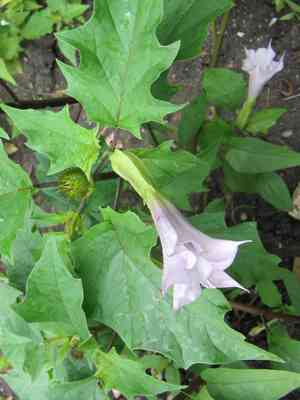
The most favorable period for relocating jimsonweed is during the crispness of early to mid-spring. Choose a location that receives ample sunlight and possesses soil with good drainage to foster vigorous development. Careful manipulation is crucial to preserve the root system's soundness.
Essential Preparations Before Relocating Jimsonweed?
Optimal Period for Jimsonweed Relocation?
The best time for moving jimsonweed is from early to mid-spring. This period, with its mild temperatures and consistent moisture, provides jimsonweed with an excellent start. Transplanting during these months encourages robust root development before summer's heat, ensuring a healthier growth cycle. Additionally, spring offers the gentle weather conditions that jimsonweed flourishes in, setting the stage for vibrant blooms. This timing aligns with jimsonweed's natural growth pattern, facilitating a smooth transition from container to garden.
Recommended Spacing Between Jimsonweed Plants?
Absolutely, allow each jimsonweed ample room to expand. Aim for a separation of approximately 2-3 feet (60-90 cm) when transplanting. This ensures each plant receives sufficient nutrients and minimizes competition.
Ideal Soil Blend for Jimsonweed Transplanting?
Treat your jimsonweed properly by enriching the soil with a balanced fertilizer. You're looking for a sandy or loamy type, slightly alkaline (pH 6.1 to 7.8). Gently mix the fertilizer into the soil before transferring the plant.
Where to Replant Your Jimsonweed?
Sunlight is key! That's what your jimsonweed would express. So, select a garden spot that receives full sunlight for most of the day. These plants thrive in bright, warm conditions.
Equipment Needed Before Transplanting Jimsonweed?
Gardening Gloves
Necessary to shield your hands from sharp objects or chemicals in the soil during excavation.
Shovel
Aids in digging a suitably sized hole for the transplant. A round-point shovel can break ground, and a trenching shovel can create the hole.
Trowel
For lifting plants with minimal root disturbance.
Watering Can
Primarily used to keep the root ball moist during the transplanting process.
Wheelbarrow
Perfect for moving soil, compost, or even the plant itself around the garden.
Gardening Pruner
Required for trimming plant roots, if necessary.
Mulch
Collected leaves, grass clippings, or straw can serve as a natural covering for the topsoil around the root zone after planting.
Compost
Nourishes the plant and supports its growth after transplantation.
How to Extract Jimsonweed from the Soil?
How to Extract Jimsonweed from the Soil?
From Ground: First, thoroughly water the jimsonweed plant to moisten the soil. This makes digging around the roots easier. Then, using a clean trowel, carefully dig around the plant, ensuring the root ball remains intact. Gently lift the plant. From Pot: For potted plants, water well and tilt the pot sideways, while carefully pulling out the jimsonweed plant, supporting the stem and root ball. From Seedling Tray: When removing from a seedling tray, first water the tray thoroughly. Then gently push the bottom of each cell to release each jimsonweed seedling. Remember, do not pull seedlings by their stems.
Step-by-Step Guide for Jimsonweed Transplanting
Soil Preparation
Begin by digging a hole as deep as the root ball and twice its width. Then, enrich the removed soil by mixing in compost.
Plant Placement
Position the jimsonweed plant into the hole. Ensure the top of the root ball is level with the ground surface.
Backfilling the Hole
Refill the hole with the amended soil. Gently pat around the base to eliminate air pockets and firmly secure the plant.
Watering
Water sufficiently immediately after transplanting to settle the soil around the roots. Be careful not to overwater, as this can lead to oxygen deprivation for the roots.
Mulching
Spread mulch material around the plant to retain soil moisture and inhibit weed growth.
Post-Transplantation Care for Jimsonweed?
Regular Inspection
Periodically check the jimsonweed plant for any indications of water stress or disease. Early detection can save a plant.
Watering
Maintain consistent moisture levels until the transplanted plant has acclimated to its new environment. Avoid both excessive and insufficient watering.
Pruning
If the jimsonweed plant shows signs of wilting, consider trimming back the foliage, as this helps the plant prioritize root development.
Protection from Wind & Intense Sun
Newly transplanted jimsonweed plants may require protection from strong winds and extreme sunlight for the initial weeks after relocation.
Addressing Common Jimsonweed Transplantation Issues.
When is the optimal time to transplant jimsonweed?
The ideal season to transplant jimsonweed is during S1-S2 when the climatic conditions are more favorable.
What spacing should I maintain between each jimsonweed during transplantation?
Maintain a distance of approximately 2-3 feet (60-90 cm) between each jimsonweed during transplantation to provide ample room for growth.
My jimsonweed appears to wilt after transplantation; what might be the cause?
Wilting can be due to transplant shock or insufficient watering. Ensure your jimsonweed receives enough water, especially immediately after transplanting.
Why is my transplanted jimsonweed not growing as expected?
The reason could be inadequate sunlight or poor soil quality. Ensure your jimsonweed receives ample sunlight and nutrient-rich soil for growth.
What type of soil should I use for transplanting jimsonweed?
Jimsonweed tends to thrive well in well-drained soil. Try mixing some organic compost into the soil for better results.
How much sunlight does a transplanted jimsonweed require?
Jimsonweed needs full sunlight to grow at optimal rates. Therefore, place it in a location where it receives at least 6 hours of direct sunlight daily.
How frequently should I water my transplanted jimsonweed?
Water your jimsonweed when the top 2 inches (5 cm) of soil feels dry. Excessive watering can lead to root rot.
Does jimsonweed need any special care during the initial days after transplantation?
During the initial days, water them adequately and protect them from extreme weather. You might want to apply mulch to retain soil moisture.
What should I do if insects attack my newly transplanted jimsonweed?
Use natural insecticides or insecticidal soaps to manage pests. Regularly monitor your jimsonweed for any signs of pest infestation.
Should I fertilize my transplanted jimsonweed?
Yes, fertilizing will encourage healthier growth. However, too much can harm the plant. Use a balanced fertilizer according to package instructions.



