How to Transplant Devil's trumpet?
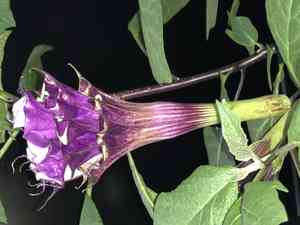
The peak of spring provides an ideal period for relocating devil's trumpet, fostering vigorous development. Select a sunny location featuring soil that drains effectively. Bear in mind, a delicate approach is crucial when moving devil's trumpet to prevent root trauma.
What Preparations are Needed Before Transplanting Devil's Trumpet?
What is the Ideal Time for Transplanting Devil's Trumpet?
Relocating devil's trumpet as winter's chill recedes and the ground warms, typically in early spring, is optimal. This timing allows for robust root development prior to summer. Cultivating devil's trumpet during this period encourages vigorous growth, capitalizing on spring's energy for a strong seasonal start.
How Much Space Should You Leave Between Devil's Trumpet Plants?
When getting ready to move devil's trumpet, a good guideline is to provide ample room between each specimen. Each plant should be positioned approximately 3-5 feet (90-150 cm) apart. Envision each plant requiring its own area to flourish without encroaching on neighbors.
What is the Best Soil Mix for Devil's Trumpet Transplanting?
To transplant devil's trumpet, prepare the growing medium in advance. This plant favors soil that drains well, so consider a blend of garden soil with some sand or compost. Incorporating a slow-release fertilizer beforehand can supply extra nutrients to aid your plant's prosperity.
Where Should You Relocate Your Devil's Trumpet?
When deciding on a new spot for devil's trumpet, factor in its need for sunlight. It thrives in sun, so it should be situated in an area that gets full sun for most of the day. Remember, a healthier plant with ample sunlight makes for a happier gardener.
What Equipments Should You Prepare Before Transplantation Devil's Trumpet?
Gardening Gloves
To safeguard your hands while handling the plant and soil.
Trowel
A small spade-like implement necessary for excavating holes for relocation.
Watering Can
For hydrating the plant during and after its move.
Mulch
To shield the plant's root system from sunlight and to maintain soil moisture.
Compost
To supply essential nutrients following the relocation of the devil's trumpet.
How Do You Remove Devil's Trumpet from the Soil?
How Do You Remove Devil's Trumpet from the Soil?
From Ground: If devil's trumpet is currently in the ground, lightly water it so the soil around its roots adheres better. Use a trowel to dig a wide circle around the plant, maintaining a good distance from the stem to prevent root damage. Carefully dig beneath the plant, gently lifting the root ball from the ground. Aim to keep as much soil around the roots as possible to minimize transplant shock.From Pot: If devil's trumpet is in a container, water it moderately to help the soil cohere. Turn the pot on its side and, while holding the plant at its base, gently tap the pot's rim on a firm surface to loosen the root ball. Tilt the pot and carefully slide the plant out, supporting the root ball. If it's stuck, try pushing from the drainage hole at the bottom.From Seedling Tray: If devil's trumpet is in a seedling tray, it's best to move it when the plant is about 3 inches tall. Water the tray to moisten the soil. Use a spoon or small tool to carefully extract the root ball with its surrounding soil, taking care not to harm the delicate roots. Always handle the plant by its leaves, not its stem.
Step-by-Step Guide for Transplanting Devil's Trumpet
Preparation
Water the devil's trumpet at its original spot a few hours prior to moving it. This simplifies the procedure.
Digging
Excavate a hole slightly larger than the root ball at your chosen site. The hole should be as deep and twice as wide as the root ball.
Placement
Position the devil's trumpet plant into the excavated hole. Ensure the top of the root ball is level with the ground surface.
Fill the Hole
Carefully backfill the hole with soil, making sure the plant remains upright. Gently firm the soil around the root ball.
Watering
Immediately after planting, water generously, saturating the soil to eliminate any air pockets.
Mulching
Spread a layer of organic material around the plant, leaving some space near the stem to help retain moisture.
How Do You Care For Devil's Trumpet After Transplanting?
Watering
Water the devil's trumpet twice weekly for a couple of weeks following its relocation, then progressively decrease the frequency as the plant becomes established.
Protection
Shield newly transplanted devil's trumpet from harsh weather and animals if feasible.
Observation
Closely monitor the devil's trumpet for the initial few weeks. If the plant exhibits signs of wilting, it could indicate transplant shock. Keep the plant well-hydrated and consider providing shade from intense midday sun.
Troubleshooting Common Issues with Devil's Trumpet Transplantation.
When is the best time to transplant devil's trumpet?
The optimal period to relocate devil's trumpet is during season S1. This is when the plant is most likely to flourish after being moved.
What should be the distance between each devil's trumpet during transplanting?
Ideally, position devil's trumpet approximately 3-5 feet (0.91-1.52 meters) apart. This spacing provides sufficient room for growth without overcrowding.
Can devil's trumpet cope with transplantation shock?
Devil's trumpet can experience transplant shock, just like any plant. Help it recover by watering thoroughly, providing shade, and minimizing disturbance after relocation.
Should I add special soil amendments while transplanting devil's trumpet?
Devil's trumpet is not particular about soil, however, it thrives in well-draining soil. You might incorporate compost or grit to improve drainage.
What kind of sunlight exposure does devil's trumpet need after transplanting?
Devil's trumpet flourishes in full sun; providing it with ample light after transplanting will promote robust and consistent growth.
Can I transplant devil's trumpet in a pot?
Certainly! Devil's trumpet can thrive in containers. Just ensure you use a large pot, about 10 inches (25 cm) in diameter, with adequate drainage.
How should I water devil's trumpet after transplantation?
Water devil's trumpet thoroughly immediately after transplanting. Prompt watering can help alleviate transplant shock and ease the plant into its new environment.
How does temperature affect devil's trumpet after transplanting?
Devil's trumpet prefers warm temperatures, ideally above 60 degrees F (15.5 degrees C). Keep it protected from sudden temperature drops after transplanting.
What is the ideal depth for planting devil's trumpet during transplanting?
When transplanting, plant devil's trumpet at the same depth as it was in its previous container. This ensures the plant is not struggling to establish itself.
Can I use fertilizers immediately after transplanting devil's trumpet?
Postpone fertilizer application until devil's trumpet has had time to recover from transplant stress. Excessive nutrients can harm and overwhelm the newly relocated plant.



