How to Transplant California oat grass?
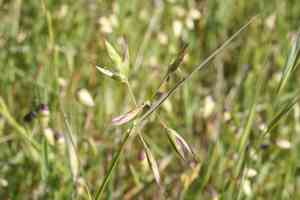
The ideal period to relocate california oat grass is after winter's cold recedes yet prior to summer's peak, generally in early spring. Select a sunny location featuring soil that drains effectively to foster its vigorous development. Careful manipulation during transplantation enhances its establishment.
What Preparations are Needed Before Transplanting California Oat Grass?
What is the Ideal Time for Transplanting California Oat Grass?
The optimal period for relocating california oat grass is as winter recedes and spring emerges, typically during the transitional months between late winter and early spring. This timing allows california oat grass to develop robust root systems before the summer heat intensifies. Moving california oat grass during this nascent phase capitalizes on moist soil and moderate temperatures, creating an excellent environment for root establishment without the stress of extreme heat, ensuring a vigorous start for your california oat grass.
How Much Space Should You Leave Between California Oat Grass Plants?
When preparing to rehome california oat grass, remember that ample space is beneficial. Aim for a comfortable separation of approximately 6-12 inches (15-30 cm) between each plant. This provides your california oat grass sufficient room to thrive without feeling constrained.
What is the Best Soil Mix for California Oat Grass Transplanting?
Consider the soil as a comfortable resting place for california oat grass. Well-draining soil is paramount, and incorporating compost is highly advantageous. Begin by blending some organic compost with the existing soil. A general-purpose fertilizer will offer california oat grass a gentle nutrient boost to commence its growth.
Where Should You Relocate Your California Oat Grass?
Similar to us, california oat grass enjoys sunlight, but not excessively! Locate a spot where california oat grass can receive partial sunlight – an area that gets sun for part of the day but also some shade to remain cool. This provides a perfect balance for a healthy california oat grass!
What Equipments Should You Prepare Before Transplantation California Oat Grass?
Gardening Gloves
To safeguard your hands while handling soil and plants.
Shovel or Spade
For excavating the plant and preparing the new planting site.
Garden Fork
To loosen the soil surrounding the plant's roots prior to transplanting.
Hand Trowel
For more precise or delicate tasks near the plant's root system.
Watering Can or Hose
To hydrate the plant before and after its removal from its current spot.
Pruning Shears
To trim any damaged roots or foliage before the transplant process.
Wheelbarrow or Garden Cart
To transport the plant and soil to and from the new planting location.
Measuring Tape
To ensure correct spacing between plants if multiple are being transplanted.
How Do You Remove California Oat Grass from the Soil?
How Do You Remove California Oat Grass from the Soil?
From Ground: First, water the california oat grass plant to moisten the soil. Next, dig a wide trench around the plant using a shovel or spade, ensuring the plant's root ball stays intact. Carefully work the spade beneath the root ball to lift the plant from its original position.From Pot: Begin by watering the california oat grass, then tilt the pot on its side and gently encourage the plant out by tapping and squeezing the pot. Hold the base of the plant and pull it out with a twisting motion as necessary.From Seedling Tray: Thoroughly water the california oat grass. Push the root ball out from the bottom of the cell if feasible. If resistance occurs, use a hand trowel to carefully pry the plant out, taking care not to harm the roots.
Step-by-Step Guide for Transplanting California Oat Grass
Preparation
Water the california oat grass thoroughly before beginning the transplant to minimize shock and facilitate its removal from its current location.
Root Ball
Carefully expose the root ball with a shovel or hand trowel, being cautious not to sever any roots more than absolutely necessary.
Excavate
Create a new hole in the ground that is twice as wide and equally as deep as the root ball to allow the roots to spread easily.
Root Pruning
Use pruning shears to trim away any dead or broken roots, which will stimulate new growth once transplanted.
Plant Positioning
Place the california oat grass in the center of the new hole at the same depth it was originally growing, ensuring it stands upright.
Fill In
Backfill the hole with the excavated soil, and gently press down around the plant to eliminate air pockets and secure the california oat grass in place.
Watering
Water the california oat grass generously after planting to settle the soil and provide essential moisture for the roots.
Mulching
Apply a layer of mulch around the base of the plant to retain moisture and reduce weed competition, keeping it away from the plant’s stem.
How Do You Care For California Oat Grass After Transplanting?
Consistent Watering
Water your california oat grass every few days to maintain moist soil, gradually reducing frequency as the plant shows signs of new growth and establishes itself.
Mulch
Maintain a protective layer of mulch around the california oat grass to conserve water and suppress weeds.
Monitoring
Observe for signs of stress such as wilting leaves or discoloration, and adjust care as needed.
Protection
Shield the california oat grass from strong winds or foot traffic until it is well established.
Troubleshooting Common Issues with California Oat Grass Transplantation.
What's the ideal season to transplant california oat grass?
The optimal period for transplanting california oat grass is from early to mid-spring, when temperatures begin to rise.
How far apart should I plant california oat grass seedlings?
Space california oat grass seedlings ideally between 6-12 inches (15-30 cm) apart to ensure adequate room for growth.
Why is my california oat grass not thriving after transplant?
Ensure the root ball remains intact during transplanting and that california oat grass is watered regularly without overwatering.
How deep should I plant california oat grass's roots?
Plant california oat grass's roots no deeper than they were in the previous container; align with the soil line.
Can california oat grass be transplanted in chilly weather?
It's best to transplant california oat grass when the soil is workable and the risk of frost has passed.
What soil conditions favor california oat grass transplantation?
Utilize well-draining soil, rich in organic matter, for optimal results with california oat grass.
How much sun does transplanted california oat grass need?
Plant california oat grass in a location where it will receive full sun to partial shade for optimal growth.
How do I handle root bound california oat grass during transplanting?
Carefully loosen the roots of california oat grass, untangling if necessary, to encourage outward growth in new soil.
Should california oat grass be fertilized after transplanting?
Wait a few weeks before fertilizing california oat grass to allow the roots to establish without causing burn.
How to maintain proper moisture for california oat grass after transplanting?
Mulching around california oat grass can help retain moisture. Water deeply and less frequently to promote strong root growth.



