How to Transplant Scotch broom?
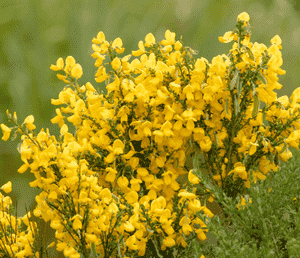
For scotch broom, the start of its active period, usually in early spring, offers ideal conditions for relocation because of moderate temperatures and moist earth. Select a bright location with soil that drains effectively to foster the scotch broom's progress. Careful manipulation ensures the root system remains intact throughout this crucial shift.
Necessary Preparations Before Moving Scotch Broom?
Optimal Timing for Relocating Scotch Broom?
The best period to move scotch broom is soon after winter's end, when the ground is workable but the plant remains dormant. Relocating scotch broom during the season of rejuvenation not only aligns with its natural development but also ensures root establishment prior to summer's heat. This timeframe offers a secure, supportive window for scotch broom to recover and thrive, capitalizing on spring's mild temperatures and increased precipitation.
Required Spacing Between Scotch Broom Plants?
For scotch broom, ensure sufficient room for development. Position them approximately 5-6 feet (1.5 - 1.8 meters) apart. This spacing allows the root system to establish without crowding or competition.
Ideal Soil Blend for Scotch Broom Relocation?
Scotch broom prefers soil that drains well, such as sandy or gritty loam. Be sure to enrich your garden soil with a small amount of slow-release, base fertilizer. This will help fuel an initial growth surge upon transplanting.
Where to Replant Your Scotch Broom?
Select a spot where scotch broom will receive ample sunlight; it requires at least 6 hours of direct sun daily. This light requirement makes it perfect for a sunny yard or an open area where its growth won't be hindered.
Equipment Needed Before Transplanting Scotch Broom?
Gardening Gloves
To protect your hands while handling soil and the scotch broom plant.
Hand Trowel
This tool is necessary for digging small holes during the transplanting process.
Garden Shovel
To excavate the scotch broom from its current spot and create a new hole at the destination.
Pruning Shears
For trimming any damaged or overgrown branches of the scotch broom plant during relocation.
Watering Can
It will be required to hydrate the plant both before and after transplanting.
Wheelbarrow
May be necessary for transporting larger scotch broom plants.
Mulch
To assist the plant in retaining moisture post-transplant.
How to Extract Scotch Broom from the Soil?
How to Extract Scotch Broom from the Soil?
From Ground: Begin by watering the scotch broom plant to moisten the surrounding soil. Then, using a garden shovel, dig around the plant, being careful to keep the root ball intact. Lift the plant out of the ground with the shovel. From Pot: Start by watering the pot to make the soil damp. Tilt the pot sideways and tap gently to loosen the scotch broom. Carefully pull the plant by holding its base, allowing the root ball to slide out. From Seedling Tray: Water the tray to loosen the soil. Push the bottom of the cell from underneath and gently hold a leaf to extract the scotch broom seedling. Handle with care to prevent root damage.
Step-by-Step Guide for Relocating Scotch Broom
Prepare New Site
Dig a hole at the new location, twice as wide and equal in depth to the root ball of the scotch broom plant.
Damage Assessment
Inspect the roots of scotch broom for potential damage during removal, trimming off any dead or broken roots with pruning shears.
Transplanting
Position the scotch broom plant in the hole, ensuring it's at the same depth as its original spot, spreading the roots to encourage outward growth.
Backfill
Fill the hole with soil, gently tamping it down to remove air pockets.
Watering
Immediately water the relocated scotch broom generously, allowing moisture to penetrate deep into the roots.
Mulching
Apply a layer of mulch around the base of the scotch broom to help retain moisture.
Post-Transplant Care for Scotch Broom?
Temperature
Shield the relocated scotch broom plant from extreme temperatures for a few days following the transplant.
Watering
Maintain consistent watering, especially during the initial weeks, but ensure the soil does not become waterlogged.
Pruning
Lightly trim the scotch broom plant after it's transplanted; this will help it direct energy towards root development.
Monitoring
Watch for signs of transplant shock, such as wilting, yellowing, or dropping leaves. If observed, consult a local extension service for solutions.
Familiar Environment
Attempt to replicate the original conditions regarding light and wind exposure. This will aid scotch broom in acclimatizing faster to its new location.
Resolving Common Issues with Scotch Broom Transplantation.
When is the best time to move scotch broom?
The optimal period to relocate scotch broom is in the season S1. This offers ideal conditions for its growth and survival after being moved.
What is the correct distance to maintain between scotch broom plants?
To ensure healthy growth and prevent overcrowding, each scotch broom plant should ideally be spaced approximately 5-6 feet (1.5-1.8 meters) apart.
How much should I water scotch broom after relocation?
Provide a thorough watering after transplanting, then irrigate regularly until new growth appears. Remember, scotch broom prefers well-drained soil, so avoid excessive watering.
Do scotch broom plants require special attention after being moved?
Not particularly. Just ensure they receive ample sunshine, consistent watering, and maintain the ideal spacing of 5-6 feet (1.5-1.8 meters) between them for optimal development.
How deep should I excavate the hole when transplanting scotch broom?
Dig a hole at least twice the width of the root ball and of the same depth. This allows the roots of scotch broom to spread easily.
What kind of soil should I use for transplanting scotch broom?
Scotch broom thrives in well-drained soil with a good blend of sand, silt, and clay. Avoid overly wet, soggy soil as it can lead to root rot.
How to address yellow leaves on scotch broom after transplanting?
Yellow leaves might indicate overwatering or excessively wet soil. Try adjusting watering amounts and ensuring proper drainage to improve the health of your scotch broom.
Should I prune scotch broom after transplanting?
After transplanting, lightly prune scotch broom to shape it and encourage denser growth, but avoid heavy pruning which could stress the plant.
Can I use fertilizer when relocating scotch broom?
Certainly, using a slow-release fertilizer can help promote growth in the new location. However, avoid high nitrogen fertilizers which can encourage leafy growth at the expense of flowers.
What if scotch broom doesn't show new growth after transplanting?
Don't be alarmed! Scotch broom may take some time to adapt to its new surroundings. Continue proper care procedures and monitor progress for a few weeks before taking further action.



