How to Transplant Pink lady slipper?
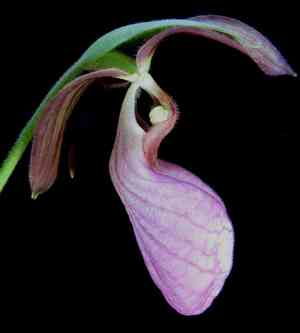
The arrival of spring offers an ideal period for pink lady slipper to flourish after being relocated, as it establishes itself in its new environment. Confirm it enjoys filtered illumination and soil that drains effectively. Choosing a location that replicates its natural forest habitat can encourage its root system to quickly take hold.
Essential Preparations Before Relocating Pink Lady Slipper?
When is the Optimal Period for Moving Pink Lady Slipper?
The best time for relocating pink lady slipper is during the mild conditions of early to mid-spring. This timeframe provides gentle temperatures and active root development, enabling pink lady slipper to establish itself without the strain of harsh weather. Spring rains aid planting, offering a nourishing setting for vigorous growth. Careful transplanting in this season promises better adaptation for pink lady slipper, leading to a display of healthy blooms and longevity.
What Distance Should Be Maintained Between Pink Lady Slipper Plants?
To allow pink lady slipper ample room to thrive, position each plant 1-2 feet (30-60 cm) apart. This ensures they have sufficient space to grow without competing for essential nutrients!
Which Soil Mixture is Best for Transplanting Pink Lady Slipper?
It's time to get your soil ready! Pink lady slipper prefers rich, damp, humus-rich yet well-draining soil. Before planting, incorporate a premium compost or a slow-release fertilizer to provide the plant with a nutritional boost.
Where Should You Replant Your Pink Lady Slipper?
Remember, pink lady slipper enjoys some shade! Select a spot in your garden where it will receive moderate sunlight, but is protected from intense afternoon sun. It will reward you with its stunning flowers!
What Tools Are Necessary Before Transplanting Pink Lady Slipper?
Gardening Gloves
To safeguard your hands while handling soil and sharp implements during the process.
Shovel or Spade
These will be required to excavate the pink lady slipper from its original spot and to prepare its new location.
Pruning Shears
To trim any unhealthy roots prior to transplanting the pink lady slipper, promoting better growth.
Watering Can
To keep the pink lady slipper hydrated during and after the relocation.
Wheelbarrow or Bucket
To transport the pink lady slipper from its initial position to its new home.
How Do You Extract Pink Lady Slipper from the Ground?
How Do You Extract Pink Lady Slipper from the Ground?
From Ground: First, thoroughly irrigate the pink lady slipper to moisten the soil. Dig a wide trench around the plant using a shovel or spade, ensuring the main root ball remains intact. Carefully lift the spade beneath the root ball to gently remove pink lady slipper.From Pot: Begin by watering the pink lady slipper in the container to dampen the soil, facilitating easier removal. Carefully tilt the pot sideways and gently ease the pink lady slipper out, keeping the root system undisturbed.From Seedling Tray: Ensure to water the pink lady slipper before the removal process. Gently hold the base of the pink lady slipper and lift it from the tray. Use a spoon or a small tool to assist in lifting if needed. Make sure that most of the original soil and roots are unharmed during the process.
Step-by-Step Guide for Relocating Pink Lady Slipper
Careful Timing
Relocating pink lady slipper should ideally occur in early spring or late autumn when the plant is not in its active growth phase.
Prepare the New Site
Use a spade to dig a hole twice as wide and the same depth as the root ball of your pink lady slipper. This provides space for the roots to spread.
Planting
Gently place the pink lady slipper in the hole, ensuring it is level with the ground. Remember, planting it too deep can suffocate the plant, while planting it too shallow can dry out the roots.
Settle the Plant
Backfill the hole with soil and lightly press down to secure the pink lady slipper in place.
Watering
Water the pink lady slipper generously after transplanting, ensuring the soil is moist but not waterlogged.
How Do You Care For Pink Lady Slipper After Relocation?
Watering
Keep the soil consistently moist, especially for the initial weeks after transplanting pink lady slipper. However, avoid saturating the soil.
Pruning
Trim any withered or dead leaves to redirect the pink lady slipper's energy towards new growth.
Monitoring
Regularly observe the pink lady slipper for any indications of stress or illness. Early detection can aid in a swift recovery.
Mulching
Applying mulch around pink lady slipper can help retain soil moisture and control weed growth. However, do not pile mulch against the stem as it can encourage rot.
Addressing Common Issues with Pink Lady Slipper Relocation.
When is the optimal time to move pink lady slipper?
The best period to transplant pink lady slipper is during the cooler months of S1-S3. This season allows the plant to adapt to its new surroundings without the strain of extreme heat.
How much space does pink lady slipper require between each plant?
Pink lady slipper needs approximately 1-2 feet (30-60 cm) of distance between each plant. This spacing promotes healthy development and good air circulation.
What soil conditions are most suitable for pink lady slipper?
Pink lady slipper prefers slightly acidic, well-draining soils. They also thrive in areas rich in organic matter such as leaf mold or compost.
How do I prepare the relocation site for pink lady slipper?
Begin by loosening the soil to about 6 inches (15 cm) deep. Incorporate organic matter to enhance soil fertility. Ensure the area drains well to prevent waterlogging.
Should I water pink lady slipper immediately after transplanting?
Yes, watering pink lady slipper right after relocation helps settle the soil and lessens transplant shock. However, avoid excessive watering as it can lead to root rot.
How do I handle pink lady slipper during relocation to minimize stress?
Handle pink lady slipper gently, especially its roots. Try to remove as much soil as possible with the rootball to minimize root disturbance. Never lift the plant by its stem.
What if the leaves of my relocated pink lady slipper begin to droop?
Drooping leaves could indicate transplant shock. Keep the soil moist and the plant in partial shade. If the plant doesn't recover within a week, it may require more attention.
How important is it to mulch around my relocated pink lady slipper?
Mulching is vital as it helps retain moisture, regulate temperature, and suppress weeds. A 2-3 inch (5-7.5 cm) layer of organic mulch is ideal.
What to do if pink lady slipper is not blooming after transplanting?
Lack of flowers may be due to transplant shock or insufficient light. Ensure it is placed where it receives enough sunlight but not direct afternoon sun.
How to safeguard my relocated pink lady slipper from pests and diseases?
Keep the area free of weeds and clear of fallen leaves and debris. Regularly inspect the plant for any signs of pests or diseases. If observed, treat immediately with appropriate measures.



