How to Transplant Nut grass?
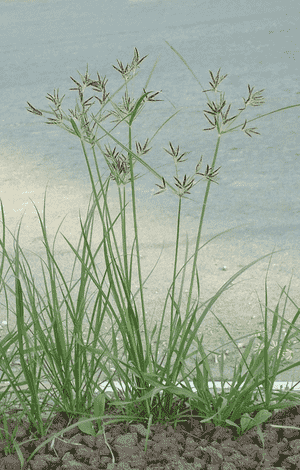
For successful establishment of nut grass, the beginning of warmer weather in early to mid-spring is ideal. Select a location that receives ample sunlight and has soil that drains effectively. Verify that root segments are undamaged for optimal outcomes, promoting vigorous development in the new site.
What Preparations are Needed Before Transplanting Nut Grass?
What is the Ideal Time for Transplanting Nut Grass?
Moving nut grass as winter ends, during the initial growth phase of early to mid-spring, guarantees strong establishment. This utilizes milder weather, which aids root development and lessens transplant shock. This timing also takes advantage of the entire upcoming growing season, optimizing nut grass's adaptation for vigorous growth.
How Much Space Should You Leave Between Nut Grass Plants?
For nut grass, spacing is vital. Position each plant approximately 1-2 feet (30-60cm) apart. This ensures they have sufficient room to grow, thrive, and prevents overcrowding. Remember, good planning leads to a successful garden!
What is the Best Soil Mix for Nut Grass Transplanting?
Rich, well-draining soil is perfect for nut grass. Incorporate a slow-release fertilizer, such as a 10-10-10, to prepare the soil before transplanting. This provides your nut grass with an excellent start in its new home!
Where Should You Relocate Your Nut Grass?
Nut grass loves sunlight! Select a planting spot where the plant can receive ample sun exposure during the day. However, partial shade during the hottest parts of the day helps it flourish even more. Happy planting!
What Equipments Should You Prepare Before Transplantation Nut Grass?
Gardening Gloves
To protect your hands from potential injury while handling nut grass and working with soil.
Shovel
Used for digging holes and trenches during the transplanting process.
Watering Can
To hydrate the nut grass both in its original spot and after moving it to its new location.
Garden Hose
For maintaining soil moisture and assisting in the removal process.
Pruning Shears
Needed for trimming any damaged roots prior to transplantation.
Mulch
Helps regulate soil temperature and moisture after transplanting.
Fertilizer
A plant nutrient that encourages faster root development.
How Do You Remove Nut Grass from the Soil?
How Do You Remove Nut Grass from the Soil?
From Ground: Start the removal process by moistening the area around the nut grass to dampen the soil. This helps loosen the soil and reduces stress on the plant. Using a shovel, dig a sufficiently large circle around the nut grass to include all roots. Gently lift your nut grass, ensuring the root ball remains intact.From Pot: If the nut grass is in a pot, first water it thoroughly. Then, invert the pot while placing your other hand around the plant's base, supporting the soil and root ball. Gently tap the bottom of the pot to loosen the plant. Carefully slide the nut grass out, ensuring the root ball remains intact.From Seedling Tray: Water the nut grass's seedlings and allow the water to soak in. Using a suitable tool, such as a trowel or fork, carefully lift the seedlings. Do not tug or pull the seedlings.
Step-by-Step Guide for Transplanting Nut Grass
Plan Ahead
Before beginning the transplant, determine the optimal season for nut grass to ensure its successful growth post-transplant. Depending on the species, different times of the year may be more suitable.
Prepare The New Location
Dig a hole in the new spot that is twice as wide and as deep as the root ball of your nut grass.
Plant
Place your nut grass in the hole so that the top of the root ball is level with the ground surface. Refill the hole with the original soil, pressing down gently around the base of the nut grass.
Water Immediately
Once planted, water thoroughly. Afterward, maintain a consistent watering schedule to prevent the nut grass from drying out.
Add Mulch
Apply mulch around the base of your plant, leaving a small gap around the stem. This helps conserve water and control weeds.
How Do You Care For Nut Grass After Transplanting?
Watering
During the initial weeks after transplanting, maintain a consistent watering routine to support the nut grass during its recovery period and encourage root growth. Avoid over-watering, which can lead to root rot.
Pruning
Trim any dying or dead parts of the nut grass to direct the plant's energy towards the development of new roots and shoots.
Pest and Disease Check
Regularly inspect the nut grass for indications of disease or pest infestations. Early detection can prevent significant damage to the nut grass.
Fertilizing
Wait a few weeks before fertilizing as it can cause root burn in newly transplanted plants.
Troubleshooting Common Issues with Nut Grass Transplantation.
When is the prime time to transplant nut grass?
The best time to transplant nut grass is during the S1-S2 season. This period offers the plant ideal conditions to establish roots in its new location.
What is the ideal distance between nut grass plants during transplanting?
The perfect distance to maintain between nut grass plants is approximately 1-2 feet (30-60 cm). This ensures they have ample space to grow and spread without competing for resources.
How should I prepare the soil before transplanting nut grass?
You should ensure the soil is rich in organic matter, well-draining, and aerated. You can achieve this by incorporating compost and raking it to loosen, promoting healthy root growth.
How deep should I plant nut grass during transplantation?
Ensure the hole is deep and wide enough to comfortably accommodate the root system of nut grass, typically around 12 inches (around 30 cm) should suffice.
Do I need to water nut grass immediately after transplanting?
Absolutely! Water nut grass right after transplanting. This helps to settle the soil around the plant's roots, reduces transplant shock, and promotes quicker root establishment.
Can I fertilize nut grass soon after transplanting?
Wait at least 2-4 weeks prior to fertilizing to prevent root burn. Thereafter, regularly feed nut grass with compound fertilizer every 2-3 months for best results.
What's the best way to reduce transplant shock for nut grass?
Root pruning a few weeks before the actual transplant, using a root promoting fertilizer, and keeping the roots moist during the transplant can all help reduce transplant shock.
Do I need to prune nut grass after transplanting?
Generally, it's not necessary. However, if you notice any damaged or dead leaves after transplanting, pruning these off can help nut grass to focus on new growth.
How should I care for nut grass after transplanting?
Ensure nut grass is adequately watered, but not overwatered. Check the soil moisture regularly and shield it from extreme weather until it shows signs of good growth.
Can I transplant nut grass anytime during S1-S2?
While S1-S2 is the suggested timeframe, the best is to transplant during early S1-S2, allowing nut grass to establish before the peak growing season sets in.



