How to Transplant Globe artichoke?
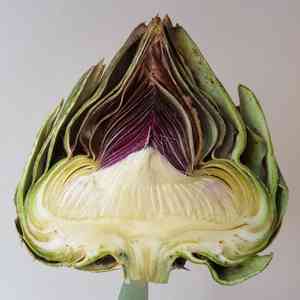
Choose springtime for renewal, as globe artichoke will flourish, preferring spots with ample sunlight and soil that drains effectively. Should it be required, enhance the area with compost to encourage vigorous development.
What Preparations are Needed Before Transplanting Globe Artichoke?
What is the Ideal Time for Transplanting Globe Artichoke?
The optimal period for relocating globe artichoke to your garden is during the peak of spring's warmth. This timing allows globe artichoke roots to establish in mild soil, setting a foundation for vigorous development. Introducing globe artichoke to its new location in this season maximizes its potential for thriving, ensuring a plentiful harvest of the prized flower buds.
How Much Space Should You Leave Between Globe Artichoke Plants?
Ensure each globe artichoke seedling has sufficient room to thrive. Optimal spacing during transplanting is approximately 3-4 feet (0.91-1.22 meters) apart. This provides adequate space for the complete growth of each plant.
What is the Best Soil Mix for Globe Artichoke Transplanting?
For globe artichoke, a well-draining, sandy or loamy soil is preferred. Also, remember to incorporate a rich layer of compost or aged manure as a base fertilizer. This will supply vital nutrients to the young plants.
Where Should You Relocate Your Globe Artichoke?
The perfect spot for your globe artichoke is a sunny area, as it thrives with full sun exposure. Choose a location that receives about 6-8 hours of sunlight daily. This promotes their growth and blooming.
What Equipments Should You Prepare Before Transplantation Globe Artichoke?
Gardening Gloves
To safeguard your hands when handling soil and plants.
Shovel or Garden Spade
For digging the hole for the globe artichoke and for its removal from its original spot.
Wheelbarrow or Large Bucket
To move the globe artichoke from its initial position to its new one.
Watering Can or Hose
For hydrating the globe artichoke before, during, and after the relocation process.
Mulch
To assist in retaining soil moisture post-transplanting.
Garden Trowel
For smaller, more precise digging tasks, such as extracting a plant from a pot or seed tray.
Gardening Shears
To trim any damaged or overgrown leaves and stems after transplanting.
How Do You Remove Globe Artichoke from the Soil?
How Do You Remove Globe Artichoke from the Soil?
From Ground: Start by watering the globe artichoke plant in its current location to moisten the soil. Using a garden spade or shovel, dig a wide and deep trench around the globe artichoke, making sure the root ball remains undisturbed. Gently work the shovel or spade beneath the root ball and carefully lift the plant from its original spot.From Pot: Water your globe artichoke thoroughly before you begin. Turn the pot on its side and hold the globe artichoke at its base. Carefully tap the bottom and sides of the pot to loosen the soil and the plant. Gently slide the globe artichoke out, being careful not to harm the stems or roots.From Seedling Tray: Water the tray beforehand to dampen the soil. Use a garden trowel to lift the soil and the globe artichoke plant out from the cell. Carefully maintain the soil around the roots as this contains essential microorganisms beneficial for the globe artichoke.
Step-by-Step Guide for Transplanting Globe Artichoke
Site Preparation
After selecting the ideal location, prepare the area by clearing any grass, weeds, or other plants. Clear a space that is twice the size of the globe artichoke's root ball.
Digging
Using a shovel or garden spade, excavate a hole at the prepared spot. The hole should be twice as wide and as deep as the globe artichoke's root ball.
Placing the Plant
Position the globe artichoke in the center of the hole, ensuring the top of the root ball is level with or slightly below the ground's surface.
Filling
Backfill the hole with the same soil you removed, gently patting it around the globe artichoke's roots.
Watering
Thoroughly water the plant immediately after planting. This helps the soil settle.
Mulching
Apply a 2-3 inch layer of mulch around the newly transplanted globe artichoke. This aids in retaining soil moisture.
How Do You Care For Globe Artichoke After Transplanting?
Watering
After transplant, ensure the globe artichoke plant is watered regularly. The soil should be kept moist but not waterlogged. Excessive watering can lead to root rot.
Pruning
If the globe artichoke exhibited signs of stress during transplant, such as wilting or yellowing leaves, feel free to trim affected parts using garden shears.
Monitoring
Keep a close watch on the globe artichoke for a few weeks post-transplant. Look out for any signs of distress like wilting, yellowing, or dropping leaves. If these occur, review the watering schedule or consider using a shade cloth to protect the plant during the hottest part of the day.
Troubleshooting Common Issues with Globe Artichoke Transplantation.
When is the best time to transplant globe artichoke?
The optimal time to transplant globe artichoke is during its second growing season (S2). This allows the plant to establish itself before the colder months.
How far apart should I plant each globe artichoke?
Ideally, each globe artichoke should be planted at a distance of about 3-4 feet (approximately 1-1.2 meters). This provides the plants with ample space to grow and mature.
Do I need to prepare the soil before transplanting globe artichoke?
Yes, indeed. Ensure the soil is well-drained and incorporate ample compost or other organic matter before transplanting globe artichoke to encourage healthy root growth.
Why are my transplanted globe artichoke plants wilting?
Wilting after transplant is common. Ensure the plants are sufficiently watered, but avoid over-watering. Also, stake young plants to provide structural support.
Should I fertilize globe artichoke after transplanting?
Yes, fertilize after transplanting globe artichoke. This helps the plant recover from transplant shock. Use a balanced vegetable fertilizer to provide necessary nutrients.
Should I prune globe artichoke after transplantation?
Not necessarily. However, removing damaged or spent leaves allows the globe artichoke to focus its energy on new growth and flower production.
Can I transplant globe artichoke in a pot?
Yes, globe artichoke can be grown in containers. The pot size should be at least 24 inches (60 cm) in diameter and 10 inches (25 cm) deep to accommodate their large root systems.
Why is my transplanted globe artichoke not producing buds?
Bud production in globe artichoke can be affected by various factors such as inadequate sunlight, improper fertilization or the plant is still establishing.
How do I support globe artichoke after transplantation?
Support globe artichoke with garden stakes or cages, particularly in high-wind areas. This will prevent the mature plants from bending or toppling over.
Should I water globe artichoke immediately after transplanting?
Yes! Water thoroughly after transplanting globe artichoke to moisten the root area and help the plant settle into its new home.



