How to Transplant Golden-thread orchid?
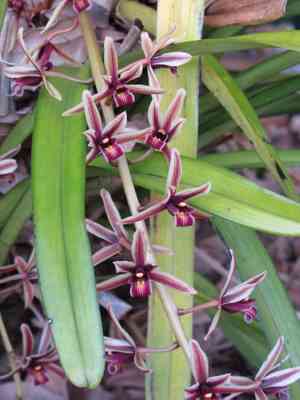
For golden-thread orchid, the ideal period for relocation is in the spring, as the climate supports root development. Select a bright location, but shield it from intense, direct sunlight. Carefully manage the roots if separating them, guaranteeing a smooth integration into their new environment.
Essential Preparations Before Relocating Golden-thread Orchid
Optimal Timing for Golden-thread Orchid Relocation?
The perfect time to move golden-thread orchid, which thrives on renewal, is during the spring months. This allows golden-thread orchid to establish roots in the mild conditions of post-winter warmth. Reinvigorating golden-thread orchid in this season leverages natural growth cycles, ideally preparing it for summer's vitality. With gentle encouragement, I assure you that spring's moderate weather and increasing daylight greatly benefit golden-thread orchid's adjustment and flourishing.
Recommended Spacing Between Golden-thread Orchid Plants?
Position each golden-thread orchid approximately 1-2 feet (30-60 cm) apart. This provides ample room for each plant to grow and absorb nutrients without crowding. It also promotes better air circulation, helping to prevent disease.
Best Soil Mixture for Golden-thread Orchid Transplanting?
Prepare soil for golden-thread orchid by blending loamy soil with a foundation of nutrient-rich compost or well-rotted manure. The compost supplies essential nutrients and ensures good water retention, which the plant requires.
Where to Replant Your Golden-thread Orchid?
Select a location for golden-thread orchid that receives abundant indirect sunlight. Excessive direct sun can scorch the leaves, while insufficient light can impede growth. A lightly shaded spot is ideal for them.
Equipment Needed Before Transplanting Golden-thread Orchid
Gardening Gloves
To safeguard your hands while handling the orchid, which may have sharp leaf edges, and when working with soil.
Trowel
To assist in carefully lifting golden-thread orchid from its current spot and to aid in digging the new planting hole.
Spade/Shovel
For excavating the large, wide hole needed in the ground for the transplant.
Pruning Shears
To trim and remove any dead or diseased parts of golden-thread orchid prior to transplanting.
Watering Can
This will be used to generously hydrate the plant both before and after the transplanting procedure.
Mulch
To help insulate the plant’s roots from shock, maintain moisture, and deter weed growth.
Organic Compost
To enrich the new planting area with essential nutrients.
How to Extract Golden-thread Orchid from the Soil?
How to Extract Golden-thread Orchid from the Soil?
From Ground: Begin by watering the golden-thread orchid plant a day before transplanting to moisten the soil. The following day, dig a wide trench around the plant using a spade, keeping the plant's root ball intact. Lift the root ball from the hole with the spade, removing as much soil as possible.From Pot: Water the golden-thread orchid plant thoroughly before the removal process. Invert the pot and gently tap to loosen the plant. You can lightly squeeze plastic pots to assist, but be gentle and ensure no damage occurs to the plant during this step.From Seedling Tray: Water the seedling tray containing golden-thread orchid to dampen the soil. Carefully lift each seedling by its leaves, not the stem, supporting the root ball. This helps to ease the seedling out without harming the roots.
Step-by-Step Guide for Transplanting Golden-thread Orchid
Preparation
Select the planting site and prepare the hole. It should be broad (twice the width of the root ball) but not excessively deep. Enhance the planting area by mixing some organic compost with the excavated soil.
Plant Placement
Position golden-thread orchid in the center of the hole, ensuring the top of its root ball is level with the surrounding soil surface. Backfill around the plant using the enriched soil, pressing it down gently to eliminate air pockets.
Watering
Water golden-thread orchid generously immediately after planting to help it settle into its new location. If the ground dries quickly, water again the following day.
Mulching
Spread some mulch around the plant, but not touching the stem, to maintain stable moisture levels and insulate the roots. Ensure the mulch layer does not exceed 3 inches in depth.
Post-Transplant Care for Golden-thread Orchid
Monitoring
Observe golden-thread orchid closely during the initial weeks after transplant. If the plant shows signs of wilting or yellowing leaves, it might be experiencing transplant shock. In such cases, provide light shade and keep the soil slightly moist to aid recovery.
Pruning
Minimal pruning may be necessary right after transplanting. However, once golden-thread orchid has settled and begins vigorous growth, regular pruning can help maintain its form and encourage more blooms.
Pest Control
To prevent pests or diseases, inspect golden-thread orchid regularly. Use insecticidal soap or natural remedies to combat common pests.
Frost Protection
Since golden-thread orchid is not frost-tolerant, provide adequate protection if the ambient temperature drops below freezing. You can cover the plant with a cloth or move it indoors, if practical.
Addressing Common Issues with Golden-thread Orchid Transplantation.
When is the ideal time to transplant golden-thread orchid?
The optimal period to transplant golden-thread orchid is during the first to third season. This aids the plant in adapting faster and ensures robust growth.
What is the correct spacing for transplanting golden-thread orchid?
The recommended spacing for transplanting golden-thread orchid is 1-2 feet (30-60 cm). Proper spacing encourages healthy growth and prevents diseases and pests.
What are the steps for correctly transplanting golden-thread orchid?
First, carefully remove golden-thread orchid from its original container. Then, prepare a new pot with well-drained soil. Position golden-thread orchid in the new pot and fill it with soil, maintaining a spacing of 1-2 feet (30-60 cm).
What type of soil is best for transplanting golden-thread orchid?
Golden-thread orchid prefers well-draining, nutrient-rich soil. When transplanting, ensure the new pot contains a mix of garden soil, coarse sand, and peat moss for optimal growth.
How to care for golden-thread orchid after transplantation?
Water the transplanted golden-thread orchid thoroughly immediately after transplanting. Subsequently, avoid overwatering and ensure it receives ample indirect sunlight. Monitor its growth and health consistently.
Why are the leaves of my golden-thread orchid pale after transplanting?
Golden-thread orchid may experience transplant shock, which can result in pale leaves. To alleviate this, ensure you transplanted it during the appropriate season and provided proper aftercare.
Why aren't the transplanted golden-thread orchid taking root?
The roots might be damaged during transplanting or the plant may not be receiving sufficient water and care. Be sure to handle golden-thread orchid gently during the process and provide consistent care afterward.
How can I ensure successful transplanting of golden-thread orchid?
Transplant golden-thread orchid during the ideal season, use appropriate soil, maintain correct spacing, and offer optimal care after transplantation. These steps increase the plant's chances of establishing in its new location.
What is the normal process of golden-thread orchid after transplantation?
After transplanting golden-thread orchid, it will adjust to its new environment. This might lead to temporary discoloration or drooping leaves. However, with proper care, the plant should regain its health.
Why is my transplanted golden-thread orchid not flowering?
Golden-thread orchid not flowering could be due to transplant shock or inadequate care. Sufficient water, sunlight, and nutrients can enhance its potential to bloom.



