How to Transplant String of pearls?
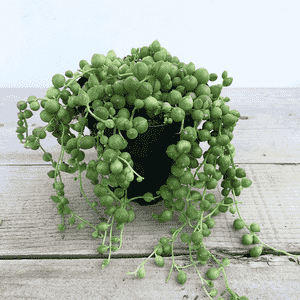
For relocating string of pearls, select the ideal period of early spring. Choose a site that offers excellent drainage and ample, diffused light. If necessary, offer guidance on transplanting to guarantee a flourishing, robust specimen. Adopt an approachable, persuasive style when imparting your knowledge on string of pearls's relocation.
What Preparations are Needed Before Transplanting String Of Pearls?
What is the Ideal Time for Transplanting String Of Pearls?
The beginning of spring, specifically its early phase, offers an optimal environment for string of pearls transplanting. This period is beneficial as the mild weather aids the plant's adjustment, fostering healthier development. Moving string of pearls at this time ensures a less stressful transition, helping it establish strong root systems more quickly. This method is invaluable, enabling the plant to flourish completely.
How Much Space Should You Leave Between String Of Pearls Plants?
When relocating your string of pearls plant, ensure each has ample room to expand. Aim for approximately 10-12 inches (25-30 cm) of space between plants, which should promote their vigorous growth.
What is the Best Soil Mix for String Of Pearls Transplanting?
For string of pearls, excellent drainage in the soil is essential! Begin by enriching your garden bed with a blend of potting soil and perlite or pumice. Incorporate a balanced, slow-release fertilizer into the mixture, guaranteeing your plant receives adequate nourishment as it develops.
Where Should You Relocate Your String Of Pearls?
Select a location for your string of pearls that receives bright, indirect sunlight. Avoid exposing the plant to direct afternoon sun to prevent scorching. A sunny windowsill or a spot beneath a shade cloth are perfect spots!
What Equipments Should You Prepare Before Transplantation String Of Pearls?
Gardening Gloves
Shield your hands from potential harm and keep them clean while handling string of pearls.
Small Gardening Spade
Used for excavating and shifting soil around your string of pearls's root system.
Gardening Scissors
Employed for trimming the plant and removing dead foliage or stems from string of pearls.
Large Pot (if not planting directly into the ground)
Accommodate your string of pearls comfortably, allowing it ample room to grow.
Watering Can
Hydrate your string of pearls gently, without dislodging soil.
Organic Compost
Supply extra nutrients to help string of pearls thrive.
How Do You Remove String Of Pearls from the Soil?
How Do You Remove String Of Pearls from the Soil?
From Pot: First, carefully extract string of pearls from its container by inverting it and supporting the main stem; gently shake to loosen soil and roots. Do not yank or pull forcefully on the plant to avoid root damage. Be sure to keep the root ball intact.From Ground: Use a small gardening spade to dig a trench around string of pearls, maintaining a safe distance from the main stem to prevent harming the root system. Afterward, carefully lift the plant with the shovel.From Seedling Tray: Very gently, grasp the string of pearls by the stem and carefully lift the seedling, ensuring its delicate roots are completely freed from the tray. Always handle the young plant as delicately as possible to prevent damage to string of pearls.
Step-by-Step Guide for Transplanting String Of Pearls
Preparing the New Location
Excavate a hole in your chosen spot (container or ground) that is sufficiently wide and deep to comfortably accommodate string of pearls's root ball. Add a layer of organic compost to the hole; this will supply essential nutrients string of pearls needs to establish itself in its new environment.
Placing the Plant
Carefully position string of pearls into the hole, ensuring it sits level with the soil surface. Backfill the hole, gently firming the soil around string of pearls to provide stability, but be careful not to bury any foliage.
Finishing Up
After placing string of pearls in its new home, water the plant. This will aid in establishing roots in the new location more easily and quickly.
How Do You Care For String Of Pearls After Transplanting?
Watering Schedule
Water string of pearls thoroughly after transplanting, then allow the soil to almost dry out before rewatering. Excessive watering can lead to root rot.
Pruning
Regularly remove any dead or withered leaves to help string of pearls focus its energy on new growth. Always ensure to use clean shears to prevent the spread of disease.
Location
Although light-related aspects have been discussed, remember to keep string of pearls in a spot where it has room to trail and expand. Avoid areas with strong winds or where people or pets might accidentally harm it.
Temperature
String of pearls prefers cooler temperatures, so be mindful not to place it near heat sources like radiators or heaters.
Troubleshooting Common Issues with String Of Pearls Transplantation.
When is the best time to transplant string of pearls?
Early spring is the optimal season for transplanting string of pearls. The warming weather provides ideal growing conditions for the transplant.
What is the correct spacing for string of pearls during transplantation?
The ideal spacing between string of pearls should be approximately 10-12 inches (25-30 cm). This allows ample room for growth without overcrowding.
How should I prepare the soil for transplanting string of pearls?
Ensure your soil drains well. You can achieve this by amending your soil with organic matter or utilizing a succulent mix that drains rapidly.
How deeply should I plant string of pearls?
Do not plant string of pearls too deeply. The planting hole should be just deep enough to accommodate the plant's root ball, allowing the plant to be level with the soil surface.
Should I water string of pearls immediately after transplantation?
Yes, you should water string of pearls immediately after transplanting. This helps establish the roots in the new location and reduce transplant shock.
What light conditions are needed for transplanting string of pearls successfully?
String of pearls prefers bright but indirect light. Direct sunlight right after transplanting might scorch the leaves, while insufficient light can hinder growth.
Can I use a regular pot for transplanting string of pearls?
String of pearls prefers a pot with drainage holes to prevent waterlogging. Thus, a regular pot is suitable as long as it has drainage.
Should I add fertilizers immediately after transplanting string of pearls?
Wait a few weeks before fertilizing string of pearls after transplantation. Initially, focus on water and lighting to help the plant recover from the shock of transplantation.
How often should I water string of pearls after transplanting?
Water string of pearls when the top 1-2 inches (2.5-5 cm) of soil are dry. Overwatering can lead to rot, so always check soil moisture before watering.
In case of leaf loss after transplanting, what should I do?
Losing a few leaves after transplanting is normal as it might be due to transplant shock. However, severe leaf loss indicates too much sun, water, or inadequate transplant care.



