How to Transplant Common turmeric?
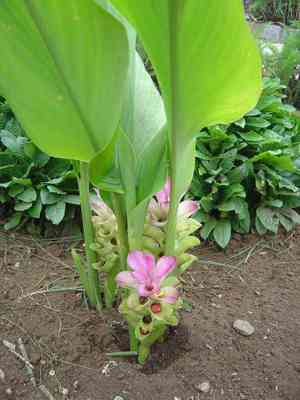
For optimal development, common turmeric flourishes when relocated between mid-spring and early summer, a period characterized by elevated temperatures. Select a brightly lit spot with soil that drains effectively, and bear in mind that common turmeric is susceptible to freezing conditions. Applying a modest layer of mulch around the base of the plant significantly aids in fostering robust growth.
Essential Preparations Before Relocating Common Turmeric
Optimal Timing for Common Turmeric Relocation?
The most favorable period to move common turmeric is from mid-spring through early summer. This timeframe offers consistent temperatures and adequate moisture, promoting robust development. Transplanting common turmeric during this window ensures vigorous growth and high yields. Remember, thorough preparation leads to successful transplantation outcomes.
Required Spacing Between Common Turmeric Plants?
Prepare your planting area! Common turmeric flourishes when provided approximately 12 inches (30 cm) of space in all directions for growth. This ensures each plant has ample room for root expansion and comfortable development without competing for nutrients and water.
Optimal Soil Blend for Common Turmeric Transplanting?
To create an ideal environment for common turmeric, prepare a well-draining soil rich in organic material. Loamy soil is most suitable for this plant. To boost its growth, incorporate compost or aged manure when preparing the planting site, as this provides an excellent foundational fertilizer.
Ideal Location for Your Common Turmeric?
Just like us, common turmeric appreciates some sunny conditions! Choose a garden spot that receives full sun or partial shade. Ensure it gets at least 6-8 hours of daily sunlight for a thriving and happy plant family.
Equipment Needed Before Transplanting Common Turmeric?
Gardening Gloves
To protect your hands while handling the plant and working with soil.
Shovel or Garden Trowel
Useful for digging holes and loosening the soil.
Garden Hose or Watering Can
Required for watering the plant, both before and after relocation.
Wheelbarrow
To move the plant from its original spot to the new site if it's a larger specimen.
Mulch
To help retain soil moisture and temperature post-transplantation.
Mattock or Cultivator
To break up the soil at the new planting location.
How to Extract Common Turmeric from the Soil?
How to Extract Common Turmeric from the Soil?
From Ground: Start by watering the common turmeric plant to moisten the soil, facilitating easier removal. Next, use a shovel or garden trowel to dig around the plant, being careful not to harm the root ball. Gently maneuver the tool beneath the root ball to lift the plant from its initial position. For larger plants, you might need assistance or a wheelbarrow for transport.From Pot: Water the plant in its container before beginning. Turn the pot on its side and carefully pull out the plant, keeping the root ball intact. If the plant resists, tap the sides and bottom of the pot to loosen the soil.From Seedling Tray: Water the seedlings and use a spoon or small trowel to lift them out, taking care not to damage the delicate roots. Hold the common turmeric plant by its leaves, not the stem, as the stem is easily crushed.
Step-by-Step Guide for Relocating Common Turmeric
Preparing the New Location
Begin by preparing the new site. Loosen the soil with a mattock or cultivator to a depth of at least 12 inches, allowing the common turmeric plant's roots to easily penetrate the soil.
Excavating the Hole
The hole should be sufficiently wide and deep to accommodate the common turmeric plant's root ball. Typically, it should be twice the width and the same depth as the root ball.
Positioning the Plant
Place the common turmeric plant in the hole, ensuring it sits at the same depth as it was in its original spot. Backfill the hole with soil, gently firming around the plant's base.
Watering
After transplanting, thoroughly water the common turmeric plant. This will settle the soil around the roots and minimize air pockets.
Mulching
Apply mulch to cover the ground around the common turmeric plant. This enhances soil moisture retention and suppresses weed growth.
Post-Transplantation Care for Common Turmeric
Watering
Water the common turmeric plant deeply and consistently for the initial few weeks after relocation. Afterward, you can reduce watering, but prevent the soil from completely drying out.
Weed Management
Keep the area surrounding the common turmeric plant free of weeds, as they can compete with the plant for essential nutrients and water.
Pruning
If you observe any unhealthy or damaged parts, prune the common turmeric plant to encourage healthy growth. Be cautious not to over-prune, as the plant requires leaves for photosynthesis.
Pest/Disease Inspection
Regularly inspect your common turmeric plant for indications of pests or diseases, as early detection improves the likelihood of successful treatment.
Feeding
After one month, consider providing your common turmeric with a balanced, organic plant food, but avoid excessive feeding. Adhere to the manufacturer's instructions for application rates.
Addressing Common Issues with Common Turmeric Transplantation.
When is the optimal period to transplant common turmeric?
The best time to transplant common turmeric is from mid-spring to early summer, when weather conditions are ideally balanced.
What is the recommended spacing for common turmeric modules?
Each common turmeric module should ideally be spaced at least 12 inches (30 cm) apart. This provides ample room for each plant to grow healthily and robustly.
I just transplanted common turmeric, but it appears somewhat wilted. What went wrong?
Common turmeric can experience transplant shock, often due to sudden environmental changes. Try to acclimate it gradually, and ensure the soil remains moist.
How deep should I plant common turmeric during transplantation?
Position the common turmeric bulbs approximately 2-3 inches (5-7 cm) deep into the soil. This allows sufficient space for root development without the bulbs being excessively buried.
How should I water common turmeric immediately after transplanting?
Post-transplantation, water common turmeric thoroughly but avoid over-saturating them! Maintain consistently moist conditions, but prevent waterlogging, which can lead to root rot.
Is soil amendment necessary before transplanting common turmeric?
Absolutely! Common turmeric thrives in well-draining, fertile soil. Mixing in compost or organic matter significantly enhances soil fertility, greatly benefiting plant growth.
Why are the leaves of my transplanted common turmeric turning yellow?
Yellowing leaves could indicate overwatering or inadequate drainage. Ensure the soil drains well and avoid excessive watering. If the issue persists, consider soil testing for potential nutrient deficiencies.
What if I missed the ideal transplanting window?
While mid-spring to early summer is optimal, common turmeric is quite resilient. If you must transplant outside this period, provide extra care to mitigate any climate-related stress.
What is the best location in my garden for transplanting common turmeric?
Common turmeric requires a spot that receives abundant sunlight, but it can tolerate some hours of shade as well. Avoid low-lying areas to prevent waterlogging.
Should I prune common turmeric after transplantation?
If you observe any wilting or dead leaves, feel free to prune them. However, extensive pruning is generally not required for newly-transplanted common turmeric.



