How to Transplant Aromatic tumeric or curcuma?
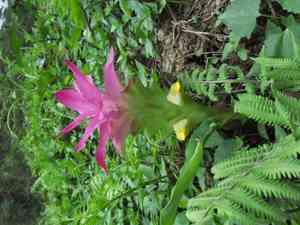
For optimal results, aromatic turmeric or curcuma should be relocated when winter's cold recedes and the increasing warmth of late March to April arrives, fostering strong development. Choose a site with good drainage and partial sunlight to guarantee the aromatic turmeric or curcuma's vigorous growth after being moved.
What Preparations are Needed Before Transplanting Aromatic Tumeric Or Curcuma?
What is the Ideal Time for Transplanting Aromatic Tumeric Or Curcuma?
The best time to move aromatic tumeric or curcuma is at the start of the revitalizing season, typically from late March to April. This period allows aromatic tumeric or curcuma to begin growing strong, as the soil is warming and sufficiently moist, creating perfect conditions for root development. Relocating aromatic tumeric or curcuma during this phase ensures a smooth adjustment, setting the stage for vigorous growth and vibrant blooms throughout the upcoming growing months. Seize this opportunity to invigorate your aromatic tumeric or curcuma, securing its health for the season.
How Much Space Should You Leave Between Aromatic Tumeric Or Curcuma Plants?
When getting ready to place your aromatic tumeric or curcuma in the garden, remember to provide each plant with adequate room! Aim to space them approximately 15-18 inches (38-45 cm) apart to ensure they have sufficient area to thrive and receive proper air circulation.
What is the Best Soil Mix for Aromatic Tumeric Or Curcuma Transplanting?
For your aromatic tumeric or curcuma, combine a loamy, well-draining soil with some organic compost as an initial nutrient boost. This rich base will nourish your plants and help them develop strong roots in their new location!
Where Should You Relocate Your Aromatic Tumeric Or Curcuma?
Find a location that gets plenty of morning sun but is protected from intense afternoon rays. Partial shade will help your aromatic tumeric or curcuma flourish without experiencing too much direct heat.
What Equipments Should You Prepare Before Transplantation Aromatic Tumeric Or Curcuma?
Gardening Gloves
To safeguard your hands while handling soil and plants.
Garden Trowel
For digging small holes and assisting with precise tasks during relocation.
Shovel or Spade
To excavate the plant with its root ball from the ground or a larger container.
Watering Can with a Shower Head
For gently irrigating the aromatic tumeric or curcuma immediately after moving.
Garden Fork
To loosen the soil around the plant for easier extraction.
Pruning Shears
To trim any dead or excessively long roots during the relocation process.
Wheelbarrow or Garden Cart
To transport the aromatic tumeric or curcuma and soil to and from the new planting site.
Measuring Tape
To ensure correct spacing between newly relocated aromatic tumeric or curcuma plants.
How Do You Remove Aromatic Tumeric Or Curcuma from the Soil?
How Do You Remove Aromatic Tumeric Or Curcuma from the Soil?
From Ground: First, water the aromatic tumeric or curcuma plant to moisten the soil, making it easier to manage. Then, using a shovel or spade, dig a wide trench around the plant, being careful not to harm the root ball. Use a garden fork to gently lift and separate the root ball from the surrounding soil before removal.From Pot: Water the aromatic tumeric or curcuma in its container to facilitate its removal. Tilt the pot to the side and gently tap or press on the sides to loosen the root ball. Invert the pot further, supporting the aromatic tumeric or curcuma as you extract it, ensuring the soil and roots remain intact.From Seedling Tray: If removing a aromatic tumeric or curcuma from a seedling tray, first ensure it's adequately watered to prevent root damage. Use a garden trowel or your fingers to gently pry the plant from the tray, taking care not to disturb the delicate roots.
Step-by-Step Guide for Transplanting Aromatic Tumeric Or Curcuma
Preparation
Water the aromatic tumeric or curcuma thoroughly a few hours before moving to ensure the roots are hydrated. Prepare the new planting site by loosening the soil with a garden fork.
Root Ball Care
Carefully remove the aromatic tumeric or curcuma from its current spot, keeping as much of the root ball and surrounding soil intact as possible.
Hole Digging
Dig a hole at the new location that is twice as wide and just as deep as the root ball of the aromatic tumeric or curcuma.
Plant Positioning
Place the aromatic tumeric or curcuma into the hole, positioning it at the same depth it was growing previously. Adjust its placement so it stands upright and straight.
Filling the Hole
Backfill the hole around the aromatic tumeric or curcuma with soil, gently firming it down to eliminate air pockets. Do not bury the stem deeper than its original growing level.
Watering
Water the aromatic tumeric or curcuma slowly and deeply to settle the soil around the roots and to remove any remaining air pockets.
Mulching
Apply a layer of mulch around the base of the aromatic tumeric or curcuma, keeping it a few inches away from the stem to prevent rot and to retain moisture.
How Do You Care For Aromatic Tumeric Or Curcuma After Transplanting?
Initial Care
For the first few weeks, regularly check soil moisture to maintain consistent hydration, avoiding overwatering.
Root Establishment
Minimize stress on the aromatic tumeric or curcuma by refraining from fertilizing or pruning immediately after transplanting to allow roots to settle.
Protection
Shield the newly transplanted aromatic tumeric or curcuma from strong winds or intense sunlight for the initial days if possible, until it shows signs of new growth.
Observation
Continuously monitor the aromatic tumeric or curcuma for any indications of stress, such as wilting leaves or discoloration, and address issues promptly to ensure successful establishment.
Troubleshooting Common Issues with Aromatic Tumeric Or Curcuma Transplantation.
Why is my aromatic tumeric or curcuma wilting after transplanting?
Wilting can be a sign of transplant shock. Ensure the soil is well-draining yet moist, and protect the aromatic tumeric or curcuma from strong winds and direct sun for a few days post-transplant.
What is the best time to transplant aromatic tumeric or curcuma?
The optimal period for relocating aromatic tumeric or curcuma is when the soil begins to warm, typically from early to mid-spring.
How far apart should I space aromatic tumeric or curcuma when transplanting?
Space aromatic tumeric or curcuma approximately 15-18 inches (38-45 cm) apart. This provides ample room for growth and good air circulation.
How deep should I plant aromatic tumeric or curcuma rhizomes during transplant?
Plant the rhizomes of aromatic tumeric or curcuma just beneath the surface, about 1-2 inches (2.5-5 cm) deep, ensuring the buds face upwards.
Can I water aromatic tumeric or curcuma immediately after transplanting?
Yes, water aromatic tumeric or curcuma promptly after transplanting to settle the soil around the roots and help reduce transplant stress.
What soil type is best for transplanting aromatic tumeric or curcuma?
Use fertile, well-draining soil with good organic matter. Maintain a slightly acidic to neutral pH for optimal growth of aromatic tumeric or curcuma.
How much sunlight does aromatic tumeric or curcuma need after transplanting?
Place aromatic tumeric or curcuma in a location with partial shade, avoiding intense afternoon sun. This prevents the plant from being stressed by excessive heat.
What should I do if the leaves of aromatic tumeric or curcuma turn yellow after transplanting?
Yellowing leaves can indicate overwatering or poor drainage. Adjust your watering schedule and ensure the soil is not waterlogged.
How can I protect aromatic tumeric or curcuma from pests during the transplanting phase?
Inspect roots for signs of pests before transplanting. Afterward, use organic pesticides if necessary, and remove affected leaves promptly.
Is it necessary to fertilize aromatic tumeric or curcuma after transplanting?
Wait 3-4 weeks before fertilizing to allow aromatic tumeric or curcuma to establish. Then, use a balanced, slow-release fertilizer to encourage growth.



