How to Transplant False heather?
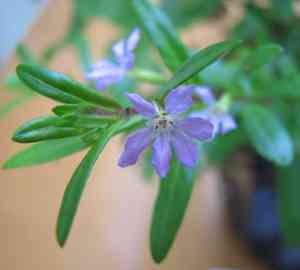
Relocating false heather is most effective during the balmy, bright period of mid to late summer. This species flourishes in soil that drains efficiently and in an area receiving abundant sunlight to moderate shade. Bear in mind, a delicate approach is crucial when managing false heather throughout its transplantation.
Necessary Preparations Before Relocating False Heather?
When is the Best Time to Move False Heather?
The ideal period for relocating false heather is from mid-summer to late summer. This timeframe ensures ample sunlight, vital for its development. Furthermore, moving false heather during this season allows sufficient time for root establishment prior to winter.
What is the Recommended Spacing Between False Heather Plants?
When relocating your false heather, ensure a distance of approximately 6-12 inches (15-30 cm) between them, providing adequate room for growth and expansion without overcrowding.
Which Soil Mixture is Optimal for False Heather Relocation?
Your false heather will flourish in well-draining, loamy soil with a pH level ranging from slightly acidic to neutral. To prepare the soil, incorporate a slow-release, balanced granular fertilizer before planting.
Where Should You Replant Your False Heather?
Select a garden location that receives full sun to partial shade, as false heather thrives with abundant sunlight, though a bit of shade during the day's hottest hours is beneficial.
What Tools Should You Prepare Before Relocating False Heather?
Gardening Gloves
To protect your hands while handling soil and the plant.
Trowel
This implement will assist you in excavating suitable holes for your false heather plants.
Watering Can
For hydrating the false heather and maintaining soil moisture.
Mulch
To regulate ground temperature and preserve soil hydration.
Organic Compost
To boost soil fertility post-relocation.
Garden Pruners
For trimming the plant as needed before and after relocation.
How Do You Extract False Heather from the Soil?
How Do You Extract False Heather from the Soil?
From Ground: Start by watering the false heather plant to moisten the soil. Then, using a trowel, carefully dig a wide circle around the plant, taking care not to disturb the plant's root ball. Gradually work the trowel beneath the root ball, ensuring minimal root damage, then gently lift the plant from its original spot.From a Pot: Ensure the plant is adequately watered before removing it from the container. Tilt the pot sideways while gently holding your hand over the soil and plant base. Slowly ease it out without applying excessive force to prevent root damage.From Seedling Tray: Water the tray thoroughly before transplanting and allow it to soak for some time. Using a trowel or any flat tool, carefully scoop out each seedling, ensuring minimal disturbance to its root ball.
Step-by-Step Guide for Relocating False Heather
Preparation
From the plant removal methods, choose the one that suits your false heather's current state. Ensure the plant is well-hydrated before beginning the relocation process. All necessary tools should be gathered and ready.
Current Status
Carefully remove the false heather plant from its initial medium following the procedures outlined above. Be cautious not to harm the root ball during this removal.
Relocation Site
Using the trowel, dig a hole deep and wide enough to comfortably accommodate the false heather's root ball without constriction.
Planting
Position the false heather plant in the hole and gently backfill with soil, ensuring the stem is not buried. Carefully firm the soil around the plant's base.
Watering
Thoroughly water the false heather plant after placing it in the relocation site. The soil should be hydrated but not waterlogged.
How Do You Care For False Heather After Relocation?
Monitoring
Regularly inspect the false heather for several weeks to observe signs of establishment or stress. Check the foliage and growth pattern for any unusual changes that might indicate an issue.
Watering
Maintain a consistent watering schedule that keeps the soil moist, but not saturated.
Mulching
Apply a layer of mulch around the false heather plant after relocation to help regulate soil temperature and moisture levels.
Pruning
If necessary, use garden pruners to remove any dead or dying parts of the plant to encourage healthy growth. However, avoid extensive pruning immediately after relocation as it may stress the plant.
Addressing Common Issues with False Heather Relocation.
When is the optimal time to relocate false heather?
The perfect window for moving your false heather is from mid-summer to late summer when conditions are warm and sunny.
What spacing should I use for false heather after relocation?
Space your false heather approximately 6-12 inches (15-30 cm) apart. This provides ample room for them to thrive without competing.
Why are the leaves of my relocated false heather turning yellow?
Yellowing leaves can indicate water stress. Verify that your false heather is receiving appropriate amounts of water after relocation.
How soon should I water false heather after relocation?
Water false heather immediately after relocation to aid root establishment in the new soil and minimize transplant shock.
What kind of soil is best for relocating false heather?
False heather prefers well-drained soil rich in organic matter. Excessive clay can lead to poor drainage, causing root disease.
What should I do if false heather wilts after relocation?
Wilting signals transplant shock. Don't worry, keep the soil moist but not soggy, and maintain the plant in a low-stress environment.
Can I fertilize false heather right after relocation?
Wait 2-3 weeks after relocation before applying any fertilizer. This allows the roots to settle without being damaged by fertilizer salts.
How deep should the hole be when relocating false heather?
When relocating false heather, the hole should be deep enough to comfortably accommodate the entire root ball – typically twice the width and depth of the root ball.
Why is my relocated false heather not blooming?
Lack of blooms can be due to transplant shock or insufficient sunlight. Ensure your false heather receives at least 6-8 hours of sun daily.
Why are the leaves of my relocated false heather drooping?
Drooping can indicate either over-watering or under-watering. Ensure the soil is moist, but not waterlogged, and that drainage is adequate.



