How to Transplant Bamburanta, Never Never Plant?
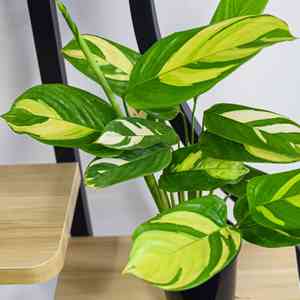
Bamburanta flourishes when relocated during the warmer period from early to late summer, benefiting from ideal growing circumstances. Select a sheltered, moist environment to aid its adjustment. Steer clear of direct sun exposure to avert strain.
What Preparations are Needed Before Transplanting Bamburanta?
What is the Ideal Time for Transplanting Bamburanta?
For bamburanta, the best time for relocation spans from early to late summer. This period guarantees warmer ground temperatures, fostering root establishment and development. Moving bamburanta during this season provides optimal conditions for acclimation, leading to more robust and vigorous growth.
How Much Space Should You Leave Between Bamburanta Plants?
When relocating your bamburanta, maintain a distance of 12-24 inches (30-60 cm) between each specimen. This ensures sufficient room for growth and minimizes root competition for nutrients.
What is the Best Soil Mix for Bamburanta Transplanting?
Prepare a soil mixture for your bamburanta that drains well and is rich in organic matter. A blend of potting soil, peat moss, and compost works excellently. Incorporating a balanced base fertilizer like a 10-10-10 (NPK) will supply essential nutrients.
Where Should You Relocate Your Bamburanta?
Select a spot for your bamburanta that receives bright, indirect sunlight. Direct sun exposure can scorch its leaves. An area with filtered light or partial shade is perfect for maintaining a happy and healthy plant.
What Equipments Should You Prepare Before Transplantation Bamburanta?
Gardening Gloves
To safeguard your hands while handling soil and plants.
Shovel or Spade
For excavating the plant from its original spot and preparing the new location.
Hand Trowel
Useful for more precise digging and moving small seedlings.
Watering Can or Hose
For hydrating the plant before and after its relocation.
Compost or Organic Matter
To enrich the soil at the new site and aid rapid plant establishment.
Mulch
To help retain soil moisture and prevent weed growth around the newly moved plant.
How Do You Remove Bamburanta from the Soil?
How Do You Remove Bamburanta from the Soil?
From Ground: First, hydrate the bamburanta plant to moisten the soil. Next, dig a wide trench around the plant using a shovel or spade, ensuring the plant's root ball remains intact. Carefully work the spade beneath the root ball to lift the plant from its initial position.From Pot: Gently water the plant to loosen the soil. Turn the container on its side and carefully tap the edges to release the root ball. Gradually ease the plant out of the pot, supporting the root ball to prevent damage.From Seedling Tray: Water the seedlings to dampen the soil. Use a hand trowel to carefully loosen the soil around each seedling. Gently lift each seedling by its leaves (not the stem) and support its root ball to prevent breakage.
Step-by-Step Guide for Transplanting Bamburanta
Site Preparation
Prepare the new planting location by digging a hole twice the width and the same depth as the bamburanta's root ball. Incorporate compost or organic matter into the soil to enhance its quality.
Plant Placement
Position the bamburanta plant in the hole, ensuring the top of the root ball is level with the surrounding ground. Gently backfill the hole with the original soil, lightly pressing it down to remove air pockets.
Watering
Thoroughly water the newly transplanted bamburanta to settle the soil around its roots. Ensure the water penetrates to the root zone.
Mulching
Apply a layer of mulch around the base of the bamburanta, but avoid piling it against the plant's stem. Mulch helps retain moisture and protects the plant as it establishes.
How Do You Care For Bamburanta After Transplanting?
Watering
Keep the soil around the bamburanta consistently moist, but not waterlogged, for the initial weeks after transplanting to encourage strong root development.
Monitoring
Regularly inspect the bamburanta for indications of stress such as wilting or yellowing leaves. Adjust watering or provide temporary shade if necessary.
Fertilizing
After a few weeks, apply a balanced, slow-release fertilizer to promote healthy growth. Adhere to the manufacturer's instructions for application rates.
Troubleshooting Common Issues with Bamburanta Transplantation.
When is the best time to transplant bamburanta?
The optimal period to relocate bamburanta is from early summer to late summer.
How should I prepare the soil for bamburanta transplanting?
Ensure the soil drains well and enrich it with organic compost to boost its fertility.
What spacing should I maintain when transplanting bamburanta?
Maintain a distance of 12-24 inches (30-60 cm) between each bamburanta plant for healthy development.
How do I remove bamburanta from its original spot?
Carefully dig around bamburanta's rootball, keeping as much soil as possible to prevent root damage.
How to ensure the success of a transplanted bamburanta?
Water thoroughly and provide ample shade for the first few weeks after relocation.
Should I prune bamburanta before transplanting?
Trim any damaged or diseased leaves to lessen stress and encourage healthy growth.
What if bamburanta shows signs of transplant shock?
Keep the soil moist (but not saturated) and avoid direct sunlight to aid recovery.
Should I fertilize bamburanta after transplanting?
Wait a few weeks before fertilizing to allow bamburanta to establish its roots in the new soil.
What type of container size is suitable for bamburanta?
Select a pot that is 2-3 inches (5-7 cm) larger in diameter than its current one.
How do I care for bamburanta after transplanting?
Water regularly, keep the soil slightly moist, and watch for any signs of stress.



