How to Transplant Poisonbulb?
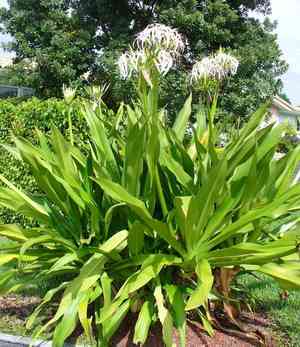
To ensure the robust development of poisonbulb, it is recommended to relocate it as the warmth of late summer transitions into early autumn. Select a site featuring soil that drains effectively and offers partial shade. During the transplanting process, exercise care with the roots to avoid causing any harm.
What Preparations are Needed Before Transplanting Poisonbulb?
What is the Ideal Time for Transplanting Poisonbulb?
The best period to move poisonbulb is from late summer into early fall. This timing is crucial as the plant prepares to slow its growth, allowing it to concentrate on establishing new roots. Additionally, outdoor temperatures are perfect during this time, providing an ideal balance of sun and coolness for healthy root development. Relocating poisonbulb in this season ensures its strong and flourishing growth in the subsequent spring. Rest assured, it's the perfect schedule considering the plant's life cycle and environmental harmony.
How Much Space Should You Leave Between Poisonbulb Plants?
When relocating your poisonbulb plants, ensure they are spaced approximately 12-24 inches (30-60 cm) apart. This will give them ample room to grow and spread without competing for resources.
What is the Best Soil Mix for Poisonbulb Transplanting?
To transplant poisonbulb, prepare a soil that drains well and is rich in organic material. Mix in some compost or aged manure to provide your plants with a healthy foundation. For a beginner-friendly fertilizer option, consider adding a balanced slow-release fertilizer (e.g., 10-10-10).
Where Should You Relocate Your Poisonbulb?
Choose a spot in your garden where poisonbulb will receive partial sunlight or filtered shade. They can tolerate some direct sun but prefer not to be in intense sun all day. This will help your valuable poisonbulb to grow and flourish! Happy transplanting!
What Equipments Should You Prepare Before Transplantation Poisonbulb?
Gardening Gloves
To safeguard your hands while handling soil and the poisonbulb plant.
Shovel or Spade
For digging the planting hole and extracting the plant from its original spot.
Gardening Trowel
To assist in loosening soil around the plant's roots during removal.
Pruners
To trim any damaged or diseased roots prior to transplanting.
Watering Can/Hose
To hydrate the plant both before and after its relocation.
Stakes and Ties
For supporting taller or larger poisonbulb plants during and after their move.
How Do You Remove Poisonbulb from the Soil?
How Do You Remove Poisonbulb from the Soil?
From Ground: First, water the poisonbulb plant to moisten the soil. Then, dig a wide trench around the plant using a shovel or spade, making sure the plant's root ball stays intact. Carefully work the spade beneath the root ball to lift the plant from its initial location.From Pot: Water the poisonbulb plant and gently remove it from the pot by carefully tipping it upside down, supporting the root ball with one hand. If the plant is stuck, carefully slide a gardening trowel along the inner edge of the pot to loosen the soil and roots.From Seedling Tray: Gently hold the poisonbulb seedling's base between your thumb and forefinger and lift it up while pushing the bottom of the container upwards. If the seedling is stuck or difficult to remove, gently loosen the soil around it with a gardening trowel to help extract it more easily.
Step-by-Step Guide for Transplanting Poisonbulb
Prepare the Plant
Thoroughly water the poisonbulb plant in its current location, and remove any dead or damaged foliage. Use pruners to trim any broken or diseased roots.
Dig the Planting Hole
Excavate a hole twice as wide and as deep as the poisonbulb plant's root ball. Loosen the soil at the base of the hole using a gardening trowel.
Position the Plant
Gently place the poisonbulb plant into the hole, ensuring the top of the root ball is level with the surrounding soil. Spread the roots out, so they are not tangled or compressed in the hole.
Backfill the Hole
Carefully refill the hole with soil, pressing it down gently around the roots with your hands to eliminate any air pockets.
Water the Plant
Thoroughly water the poisonbulb plant to help settle the soil around the roots and minimize transplant shock.
Staking (if needed)
If the poisonbulb plant is tall or large, add stakes and gently tie the plant to them for support.
How Do You Care For Poisonbulb After Transplanting?
Monitoring
Observe the relocated poisonbulb for any indications of stress or wilting. If it appears stressed, provide additional water and/or shade, especially during hot or windy conditions.
Watering
Consistently irrigate your poisonbulb plant, keeping the soil uniformly moist, but not waterlogged. Reduce watering frequency as the plant becomes established and shows healthy new growth.
Pruning
Trim any damaged or dead branches as necessary to encourage healthy growth and maintain the plant's form.
Pest Control
Regularly inspect the poisonbulb plant for any pests, and treat promptly if found to minimize damage.
Fertilizing
Begin fertilizing the poisonbulb plant approximately six weeks after transplanting, using a balanced, slow-release fertilizer, and following package instructions for application rates and frequency.
Troubleshooting Common Issues with Poisonbulb Transplantation.
What's the best time of year to transplant poisonbulb?
The optimal period to relocate poisonbulb is from the close of summer to the start of autumn.
How should I space poisonbulb when transplanting?
For healthy growth, ensure a distance of about 12-24 inches (approximately 30-60 cm) between each poisonbulb.
Do I need to prune poisonbulb before transplanting?
Yes, prior to transplanting, trim back any old or yellowing leaves. This will encourage new growth.
How deep should I plant poisonbulb?
Plant poisonbulb at a depth that covers the roots plus about an inch (2.5 cm) of stem.
What kind of soil is suitable for transplanting poisonbulb?
Poisonbulb prefers well-draining soil. If your soil is clay or sand-based, incorporate organic matter to improve structure.
What should I do if the leaves of poisonbulb wilt after transplanting?
A little wilting is normal, just ensure it's hydrated and placed in filtered sunlight. If wilting persists, check for root damage.
How often should I water poisonbulb after transplanting?
Ensure a consistent watering routine but avoid overwatering. The soil should be moist, not waterlogged.
Why are the edges of my poisonbulb turning brown after transplantation?
Brown edges may indicate too much sun or a lack of moisture. Try moving it to a shadier spot and water consistently.
How to encourage faster growth of poisonbulb post-transplant?
Ensure poisonbulb has sufficient sunlight, nutrient-rich soil, and adequate hydration. Consider using a balanced slow-release fertilizer.
Is it necessary to stake poisonbulb after transplantation?
If poisonbulb is tall or exposed to wind, staking can help support growth and stop it from tipping over.



