How to Transplant Black hawthorn?
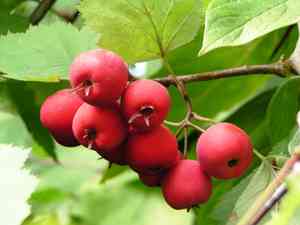
The ideal period for relocating black hawthorn is from late spring to early summer, facilitating superior root development. Place black hawthorn in soil that drains effectively and receives abundant sunlight. Transplant black hawthorn solely when it substantially enhances its growth prospects or the aesthetic balance of the area.
Preparations Required Before Relocating Black Hawthorn
Optimal Period for Moving Black Hawthorn?
The most favorable time for relocating black hawthorn falls within the late spring to early summer period. This timeframe provides a combination of warming soil and moderate temperatures, fostering ideal conditions for root establishment without the strain of peak summer heat. Moving black hawthorn during this season promotes robust growth, as the mild climate aids in recovery and root development prior to the full intensity of summer. It's an excellent window that combines the end of cold snaps with the start of growth-enhancing weather, ensuring your black hawthorn gets the best possible start in its new spot.
Recommended Spacing Between Black Hawthorn Plants?
When beginning with black hawthorn, consider the spacing. You'll want to allocate approximately 10-15 feet (3-4.5 meters) between each plant. This guarantees ample room for them to develop and expand. A helpful suggestion is to use a long stick to assist in measuring the distance.
Ideal Soil Mixture for Black Hawthorn Relocation?
Quality soil is crucial for a thriving black hawthorn. Prepare a blend of well-drained, fertile soil rich in organic matter. Before planting, enrich the soil with a foundational fertilizer to give your plants a strong start. A basic slow-release fertilizer will suffice.
Where to Replant Your Black Hawthorn?
For black hawthorn, placement is vitalâespecially the amount of sunlight it receives. This plant thrives in full sun but can also endure partial shade. Therefore, select a garden spot where it will get abundant sunlight, yet still have some shade in case temperatures become too high.
Equipment Needed Before Transplanting Black Hawthorn?
Gardening Gloves
To safeguard your hands while handling soil and black hawthorn.
Shovel or Spade
For excavating the ground to both extract and plant black hawthorn.
Pruning Shears
To remove any dead or damaged branches or leaves from black hawthorn during the transplanting process.
Garden Hose with water breaker or Watering Can
To irrigate black hawthorn before and after relocation to help it adjust to the new environment.
Wheelbarrow or Tarp
To move black hawthorn from its original spot to the new one without harming the roots.
Stakes and Soft Ties
To support black hawthorn if necessary after transplanting to provide stability.
Mulch
To aid in retaining moisture around black hawthorn following transplantation.
How to Extract Black Hawthorn from the Soil?
How to Extract Black Hawthorn from the Soil?
From Ground: Water black hawthorn generously to moisten the soil, then use a spade or shovel to create a circular trench around it, being careful to keep the root ball intact. After loosening the soil, slide the spade beneath the root ball and gently lift it, ensuring the roots remain undamaged.From Pot: First, water black hawthorn to dampen the soil. If the plant doesn't slide out with gentle pressure, lightly tap the pot's sides to loosen it. If it's still stuck, you might need to carefully cut the container away with a blade.From Seedling Tray: Use a spoon or similar tool to loosen the soil surrounding black hawthorn. Be extremely cautious not to harm the delicate roots. Gently lift the seedling, handling it by the leaves rather than the stem to prevent injury.
Step-by-Step Guide for Relocating Black Hawthorn
Plant Evaluation
Thoroughly inspect black hawthorn for any indications of disease or pest infestation and remove any dead or damaged branches with pruning shears before relocation.
Excavation
Use a shovel to dig a hole at the new site, which should be twice the size of black hawthorn's root ball.
Positioning
Place the black hawthorn in the hole, ensuring the top of the root ball is level with the soil surface. Adjust the soil at the base of the hole as required.
Soil Refill
Backfill the hole with the original soil, gently firming it around the black hawthorn to eliminate any air pockets.
Irrigation
Water black hawthorn thoroughly immediately after transplanting to help settle the soil and reduce transplant shock.
Staking
If black hawthorn is tall or unstable, use stakes and soft ties for support until it establishes itself in the new location.
Mulching
Apply a layer of mulch around black hawthorn to conserve moisture and inhibit weed growth.
Post-Transplant Care for Black Hawthorn
Watering
Water black hawthorn regularly without over-saturating to keep the soil moist but not waterlogged, reducing watering frequency as it establishes.
Pruning
Trim off any dead or damaged parts of black hawthorn after transplanting to redirect energy to the plant's healthy sections.
Protection
Shield young black hawthorn from harsh weather conditions (such as frost or intense sunlight) using protective coverings.
Monitoring
Closely observe black hawthorn for any signs of transplant shock, such as wilting or yellowing leaves, and respond appropriately.
Feeding
Wait at least one month before applying any type of fertilizer to prevent root burn.
Resolving Common Issues with Black Hawthorn Transplantation.
When is the optimal time to move black hawthorn?
The best time to move black hawthorn is during late summer to early fall (S3-S4). This allows ample time for establishment before winter.
What is the correct spacing to maintain when relocating black hawthorn?
Maintain appropriate spacing of approximately 10-15 feet (about 3-4.5 meters) between plants. This will ensure each black hawthorn has sufficient room to grow.
How do I prepare the soil for relocating black hawthorn?
Begin by digging a hole twice as wide and as deep as the root ball. Amend the soil with organic matter if needed to improve drainage.
How deep should I plant black hawthorn during relocation?
The black hawthorn should be planted so that the top of the root ball is level with the ground's surface. Planting too deeply can harm the plant.
Do I need to water black hawthorn immediately after relocating?
Yes. After relocating, water black hawthorn immediately. This helps to settle the soil around the roots and minimizes transplant shock.
What should I do if the relocated black hawthorn shows signs of wilting?
Black hawthorn may wilt due to transplant stress. Ensure it is not waterlogged and protect it from intense sunlight until it recovers.
Should I prune black hawthorn when relocating?
Pruning is not essential during relocation. However, you might want to remove any dead or damaged branches for the plant's improved growth.
What if the leaves of black hawthorn turn yellow after relocating?
Yellow leaves can indicate overwatering. Ensure the soil is well-drained and try to reduce your watering frequency.
What to do if black hawthorn doesn't show new growth after transplantation?
Be patient. Black hawthorn may require time to establish in its new location. Maintain proper watering and allow it to adjust.
What care should I provide for black hawthorn after relocating during winters?
Avoid excessive watering during winters as black hawthorn enters dormancy. If your area experiences severe frost, consider creating a protective barrier around black hawthorn.



