How to Transplant Buttons on a string?
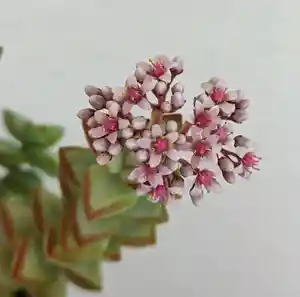
The ideal period for relocating buttons on a string is in the pleasant warmth of early to mid-summer, as this is when root development is most effective. Select a brightly lit location that offers superior drainage. Should it be necessary, encourage root expansion by carefully separating them during the transplanting process.
Necessary Preparations Before Relocating Buttons On A String?
Optimal Period for Moving Buttons On A String?
The best period for moving buttons on a string is from late spring to mid-summer. This coincides with active growth, promoting strong root development and reducing stress. Transplanting buttons on a string during this time of ample warmth and extended daylight gives the plant a head start, improving its chances of flourishing after relocation. By choosing this favorable window, you're setting buttons on a string up for success, ensuring crucial establishment before colder seasons arrive.
Recommended Spacing Between Buttons On A String Plants?
Initially, space each buttons on a string approximately 1-2 feet (30-60 cm) apart. This provides ample room for growth without competition for nutrients. Consider it giving them their own personal space!
Best Soil Blend for Buttons On A String Transplanting?
Your buttons on a string will thrive best in well-drained soil mixed with compost. Utilize a base fertilizer specifically formulated for succulents, as it contains the precise nutrients your buttons on a string requires. It's like preparing a gourmet meal for your plant!
Optimal Location for Your Buttons On A String Relocation?
Select a sunny spot for your buttons on a string as they adore sunlight! Ensure the location receives at least 6 hours of direct sun daily. However, in extreme temperatures exceeding 86°F (30°C), consider a partially shaded area to prevent sunburn.
Equipment to Prepare Before Transplanting Buttons On A String?
Gardening Gloves
To safeguard your hands while handling the plant and soil.
Spade or Shovel
For excavating the plant from its current spot without harming the roots.
Hand Trowel
To dig the planting hole in the new site.
Organic Matter
To enhance the quality of the planting area if needed.
Pruning Shears
To trim any damaged roots or stems.
Bucket
To hold the plant and its root ball during the relocation process.
Watering Can
To hydrate the plant before and after transplanting.
How to Extract Buttons On A String from the Soil?
How to Extract Buttons On A String from the Soil?
From Ground: First, moisten the buttons on a string plant's soil to facilitate easier and safer root removal. Next, carefully dig a wide circle around the plant with a shovel or spade, ensuring the plant's root ball remains intact. Gently work the spade beneath the root ball to lift the plant from its original position, striving to keep as much soil around the roots as possible.From Pot: Begin by watering the buttons on a string plant, then invert the pot and gently tap it to release the plant and its root ball. Support the plant, being careful not to damage it during the process.From Seedling Tray: Ensure the buttons on a string is well-watered, then carefully scoop out each seedling, taking care to hold them by their leaves rather than their stems to prevent damage. Retain as much soil with the roots as you can to minimize transplantation shock.
Step-by-Step Guide for Transplanting Buttons On A String
Site Preparation
Prepare the new planting area by digging a hole twice as wide and as deep as the plant's root ball. If the soil quality is poor, you can mix some organic material into the excavated soil.
Positioning
Place the buttons on a string plant in the hole, ensuring it's positioned at the same depth as it was in its previous location. Spread the roots out in the hole and backfill with soil, being careful not to bury the plant too deeply.
Watering
Water the buttons on a string plant immediately after planting. This helps to settle the soil around the roots and eliminate air pockets.
Checking
After a few days, inspect the buttons on a string plant. If it appears to be sinking, gently lift and add some soil underneath.
How to Care for Buttons On A String After Transplanting?
Inspection
Regularly check the buttons on a string plant for signs of stress such as wilting or discolored leaves. These may indicate transplant shock, and additional watering might be necessary.
Pruning
If the buttons on a string plant struggles after transplanting, trim back some of the upper growth. This reduces the energy the plant needs to allocate to leaf growth, allowing it to focus more on root development.
Protection
During the initial weeks after transplanting, shield the buttons on a string plant from strong winds until it stabilizes and begins to show new growth.
Addressing Common Issues with Buttons On A String Transplantation.
When is the best time to transplant buttons on a string?
The optimal time to transplant buttons on a string is during late spring to early summer, or as we like to say, 'S4-S5'.
What is the recommended spacing when planting buttons on a string?
Maintain a distance of at least 1-2 feet (30-60 cm) between each buttons on a string. This ensures each plant has ample space to flourish.
How do I prepare the new pot for transplanting buttons on a string?
Ensure the new pot has adequate drainage. Add some well-draining soil and compost to provide buttons on a string with nutrient-rich ground for growth.
What to do if buttons on a string leaves wilt after transplantation?
Don't worry! Water it thoroughly and place it in a location with indirect light. This is a temporary symptom of transplant shock.
Should I prune buttons on a string before transplanting?
While not essential, light pruning of buttons on a string can help it redirect energy to root growth, facilitating a quicker, more successful transplantation.
How often should I water buttons on a string after transplanting?
After transplanting, buttons on a string requires consistent watering. Wait until the top inch (2.5 cm) of soil dries out before watering again.
What's the ideal soil composition for transplanting buttons on a string?
An equal blend of coarse sand or perlite and regular potting soil creates an ideal environment for buttons on a string to develop roots post-transplanting.
Can buttons on a string be transplanted without rooting hormone?
Yes, buttons on a string can be transplanted without rooting hormone, though it can aid the plant in establishing more quickly in its new home.
What should be the ideal pot depth for transplanting buttons on a string?
Choose a pot deep enough to accommodate the roots. This is typically around 5-7 inches (13-18 cm).
How long does it typically take for buttons on a string to recover after transplantation?
Buttons on a string usually takes a few weeks to fully recover after transplantation. Consistent care for the plant will accelerate the recovery process.



