How to Transplant Redflower ragleaf?
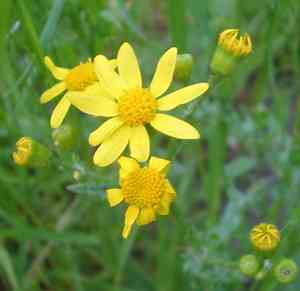
The most favorable period for relocating redflower ragleaf is the revitalizing spring, as its moderate temperatures aid in root development. Select a location that receives ample sunlight to partial shade, featuring fertile, adequately draining earth to foster robust development.
Essential Preparations Before Relocating Redflower Ragleaf?
Optimal Period for Relocating Redflower Ragleaf?
For redflower ragleaf, the prime relocation window is during the spring revival. Why? This young, mild season is full of life, allowing roots to establish easily and robustly. The gentle temperatures and extended daylight hours during this time create a nurturing environment for redflower ragleaf, fostering strong growth and successful establishment. Seize this opportunity for your redflower ragleaf to thriveâtransplant during this season and observe nature's gentle support for its development.
Required Spacing Between Redflower Ragleaf Plants?
For redflower ragleaf, an appropriate spacing is approximately 0.5-1 foot or 15-30 cm. This provides ample room for growth and air circulation. Remember, excessive crowding can lead to disease and reduced yield. Therefore, ensure they have adequate space!
Optimal Soil Blend for Redflower Ragleaf Relocation?
Prepare your soil! Redflower ragleaf thrives in well-drained, fertile soil. Before transplanting, enrich the soil with organic compost or a balanced slow-release fertilizer. This will aid in rapid establishment and vigorous growth.
Preferred Site for Relocating Your Redflower Ragleaf?
When selecting a spot for your redflower ragleaf plant, remember its affinity for sunlight. Choose a garden area that receives full to partial sun for the most vibrant development. However, it can also endure some shade.
Necessary Tools for Redflower Ragleaf Transplantation?
Gardening Gloves
To safeguard your hands from any sharp edges or splinters while handling the plant and soil.
Shovel or Spade
To excavate the root ball of the redflower ragleaf without harming the plant.
Gardening Trowel
To assist in digging a hole for the redflower ragleaf in its new position.
Watering Can or Hose
To hydrate the redflower ragleaf both before and after its relocation.
Compost or Organic Matter
To enrich the soil in the new location and provide the redflower ragleaf with a nutrient boost post-transplant.
Method for Extracting Redflower Ragleaf from the Soil?
Method for Extracting Redflower Ragleaf from the Soil?
From Ground: Begin by watering the redflower ragleaf in its current spot to soften the earth. Using your shovel or spade, dig a wide circle around the redflower ragleaf's root ball. Ensure a safe distance from the stem to avoid root damage. Gradually work beneath the root ball and gently lift the plant. Shake off excess soil while keeping the rootball intact.From Pot: Water the potted plant and carefully invert it, tapping the sides to encourage the redflower ragleaf to emerge with its root ball undisturbed. Support the stem during this process to prevent injury.From Seedling Tray: Water the seedling tray, then gently hold the redflower ragleaf by the stem and lift it, slightly fanning out the roots before moving it to its new location.
Step-by-Step Guide for Relocating Redflower Ragleaf
Hole Preparation
Excavate a hole in the new site that is twice as wide and slightly deeper than the redflower ragleaf's root ball. Amend the hole with compost or organic matter to supply additional nutrients.
Planting
Position the redflower ragleaf in the center of the hole, ensuring the top of the root ball is level with the soil surface. Begin backfilling the hole with soil, gently firming it as you go to eliminate any air pockets.
Watering
Once the redflower ragleaf is in place and the soil has been firmed around the root ball, water thoroughly to help the plant settle.
Post-Transplant Care for Redflower Ragleaf?
Root Nourishment
After transplanting, redflower ragleaf will have experienced stress. Applying a root stimulant will encourage root development and aid in rapid establishment.
Watering Regime
Adequate watering is crucial after replanting. Keep the soil consistently moist but avoid over-saturation. Inspect the plant daily for the first week, then gradually reduce watering as the plant establishes.
Pruning
If redflower ragleaf shows signs of stress, trim any dead or wilting foliage to redirect energy towards new growth.
Outdoor Protection
Shield the transplanted redflower ragleaf from harsh weather conditions by providing temporary shade. Remove it once the plant begins to show signs of new growth.
Resolving Common Issues with Redflower Ragleaf Transplantation.
When is the best time to transplant redflower ragleaf?
The recommended periods for relocating redflower ragleaf are typically early to mid-year. This spans from winter to early spring.
What is the ideal spacing when I transplant redflower ragleaf?
Redflower ragleaf needs room to expand. Maintain a distance of approximately 0.5-1 foot (15-30 cm) between each plant to ensure healthy development.
What should I do if the redflower ragleaf wilts after transplanting?
Do not be alarmed! Allow redflower ragleaf some time to adapt. Also, confirm it's receiving appropriate sunlight and water. However, excessive watering can also be detrimental.
Why are the leaves of my redflower ragleaf turning yellow?
Yellowing leaves may indicate overwatering or poor drainage. Check the soil and reduce watering if it's very wet. Also, ensure your redflower ragleaf is getting sufficient sunlight.
How should I prepare the soil before transplanting redflower ragleaf?
The soil should be well-drained and rich in organic matter. Adjust the pH to be slightly acidic to neutral for redflower ragleaf to flourish.
How deep should I plant redflower ragleaf when transplanting?
Plant redflower ragleaf at the same depth it was in its original container. This helps the plant adjust quickly and ensures an optimal growing environment.
How soon should I water redflower ragleaf after transplanting?
Water redflower ragleaf immediately after transplanting. This does not mean flooding the plant; a generous watering will help settle the soil around the roots.
What should I do if my redflower ragleaf isn't growing after being transplanted?
Redflower ragleaf may require some time to adjust after relocation. Verify if your plant is receiving proper nutrition, sunlight, and water. If all seems well, simply be patient.
How to encourage vigorous growth of redflower ragleaf post transplant?
Consistent watering, ample sunlight, and the addition of a slow-release fertilizer can promote vigorous growth. Remember not to overdo anything, as it might shock the plant.
What is the best location to transplant redflower ragleaf?
Redflower ragleaf prefers a location with abundant sunlight. However, it can also tolerate partial shade. Therefore, choose a spot that offers a good balance of both.



