How to Transplant Black-fruited cotoneaster?
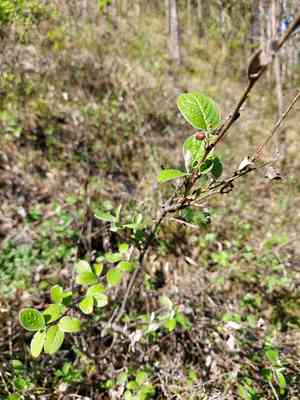
The optimal period to transplant black-fruited cotoneaster is in mid-spring, when its development is robust. Choose a location bathed in sunlight with effective water runoff to guarantee the black-fruited cotoneaster flourishes. Careful management of the root system will facilitate an effortless relocation.
What Preparations are Needed Before Transplanting Black-fruited Cotoneaster?
What is the Ideal Time for Transplanting Black-fruited Cotoneaster?
The optimal period for relocating black-fruited cotoneaster occurs during the early to mid-spring months. Moving black-fruited cotoneaster at this time promotes robust root development before summer, taking advantage of mild temperatures and ample growing duration. This carefully selected timeframe encourages vigorous growth, ensuring black-fruited cotoneaster flourishes with the season's gentle warmth and increasing daylight, leading to a strong and thriving display.
How Much Space Should You Leave Between Black-fruited Cotoneaster Plants?
First, ensure your black-fruited cotoneaster has sufficient room to thrive! Placing them approximately 4-6 feet (1.2-1.8 meters) apart will allow their root systems and branches to expand adequately without becoming overcrowded.
What is the Best Soil Mix for Black-fruited Cotoneaster Transplanting?
For black-fruited cotoneaster, a well-draining loamy soil provides an ideal environment. Enriching the soil with a balanced, slow-release fertilizer prior to planting offers a nutritious beginning. Incorporate it thoroughly into the top few inches (about 10-15 cm) of soil!
Where Should You Relocate Your Black-fruited Cotoneaster?
Your black-fruited cotoneaster enjoys ample sunlight! Select a sunny spot in your garden that receives a minimum of 6 hours of direct sun daily. A location with some afternoon shade is acceptable, provided it gets morning sun exposure.
What Equipments Should You Prepare Before Transplantation Black-fruited Cotoneaster?
Gardening Gloves
To safeguard your hands while handling soil and the plant.
Shovel or Spade
For excavating and lifting the plant's root system.
Pruning Shears
To trim any damaged roots or stems.
Watering Can or Hose
For hydrating the plant before and after its relocation.
Wheelbarrow
To move the plant and soil if necessary.
Garden Fork
To loosen and aerate the soil surrounding the root ball.
Mulch
To aid in moisture retention and temperature regulation of the soil after transplant.
How Do You Remove Black-fruited Cotoneaster from the Soil?
How Do You Remove Black-fruited Cotoneaster from the Soil?
From Ground: Thoroughly water the black-fruited cotoneaster to moisten the soil. Dig a wide trench around the plant using a shovel or spade, preserving the root ball's integrity. Gently work the tool beneath the root ball to free and lift the plant.From Pot: Water the black-fruited cotoneaster and allow it to absorb moisture. Tilt the pot sideways and tap its bottom and sides to dislodge the plant. If needed, run a knife along the pot's interior to separate roots from the container without causing harm.From Seedling Tray: Dampen the black-fruited cotoneaster in the tray. Use a spoon or a dibber to carefully lift the seedling, taking care not to excessively disturb the roots. Support the plant by holding its leaves, not its stems.
Step-by-Step Guide for Transplanting Black-fruited Cotoneaster
Digging the Hole
Excavate a hole that is twice the width of the root ball and of equal depth to prevent planting the specimen too deeply.
Preparing the Root Ball
Gently remove any loose or dead material from the roots and use pruning shears to trim away damaged roots.
Placing the Plant
Carefully position the black-fruited cotoneaster in the center of the hole, spreading its roots evenly and ensuring the stem's base is level with the ground surface.
Refilling the Hole
Backfill the hole around the root ball with soil, gently firming it as you go to eliminate air pockets without overly compacting the soil.
Watering Thoroughly
Immediately after planting, water the black-fruited cotoneaster generously to settle the soil and provide moisture for the roots.
Applying Mulch
Spread a layer of mulch around the base of the black-fruited cotoneaster, being careful not to pile it directly against the stem.
How Do You Care For Black-fruited Cotoneaster After Transplanting?
Initial Watering
Water the black-fruited cotoneaster deeply after transplanting, then adjust watering frequency based on weather, ensuring the soil remains moist but not waterlogged.
Mulching
Maintain the mulch layer to conserve soil moisture and protect the root zone.
Monitoring
Regularly check the black-fruited cotoneaster for indications of stress, such as wilting or discolored leaves, and take appropriate action if necessary.
Pruning
Prune any dead or damaged branches to help the black-fruited cotoneaster conserve energy and focus on establishing new growth.
Support
If the black-fruited cotoneaster is tall or in a windy area, consider staking it to shield it from strong winds until its roots are well-established.
Troubleshooting Common Issues with Black-fruited Cotoneaster Transplantation.
Whatâs the best time to transplant black-fruited cotoneaster?
The optimal period for transplanting black-fruited cotoneaster is during its vigorous growth phase, typically mid to late spring.
How far apart should I plant multiple black-fruited cotoneaster specimens?
For ample growth, maintain a suitable distance of 4-6 feet (1.2-1.8 meters) between black-fruited cotoneaster plants.
Why is my black-fruited cotoneaster not thriving after transplanting?
Ensure black-fruited cotoneaster is not planted too deeply, receives adequate water, and that the soil is not excessively compacted.
How deep should I dig the hole for black-fruited cotoneaster transplantation?
Dig a hole twice the width and the same depth as the root ball to comfortably accommodate the black-fruited cotoneaster.
Can I transplant black-fruited cotoneaster in the fall or winter?
Transplanting black-fruited cotoneaster during dormancy can be risky; adhere to the active springtime for the best chance of success.
How much water does black-fruited cotoneaster need after transplanting?
Keep the soil consistently moist, providing a beneficial drink equivalent to 1 inch (2.5 cm) of water weekly.
Should I use fertilizer immediately after transplanting black-fruited cotoneaster?
Wait until black-fruited cotoneaster has settled into its new location, then gently provide nourishment with a balanced fertilizer.
How can I protect the roots of black-fruited cotoneaster during transplant?
Gently loosen the soil around the roots and keep the root ball intact while moving black-fruited cotoneaster.
What kind of soil is best to transplant black-fruited cotoneaster into?
Use well-draining soil enriched with organic matter to create a supportive bed for black-fruited cotoneaster.
How do I know if black-fruited cotoneaster is planted at the correct depth?
The top of the root ball should be level with the soil surface, allowing black-fruited cotoneaster to establish its roots comfortably.



