How to Transplant Rockspray cotoneaster?
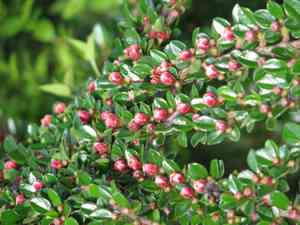
Transplanting rockspray cotoneaster is most effective from mid-spring through early summer, when conditions are ideal. Select a location with good drainage, receiving full sun to partial shade, for its new placement. Remember to provide attentive care to ensure a successful relocation.
What Preparations are Needed Before Transplanting Rockspray Cotoneaster?
What is the Ideal Time for Transplanting Rockspray Cotoneaster?
Moving rockspray cotoneaster is best done during the pleasant period from mid-spring to early summer. This timing coincides with the start of new growth, allowing the plant ample time to establish itself before colder weather. Relocating rockspray cotoneaster at this point ensures a full growing season, boosting its flowering potential for the following year. This will make your garden appear warm and lively sooner. Embrace this season of renewal, and give your rockspray cotoneaster a fresh start for optimal results!
How Much Space Should You Leave Between Rockspray Cotoneaster Plants?
To provide your rockspray cotoneaster sufficient room for development, position them 4-6 feet (1.2-1.8 meters) apart. This spacing guarantees they have adequate area to expand and flourish.
What is the Best Soil Mix for Rockspray Cotoneaster Transplanting?
Prepare the ground with a well-draining blend of loam, sand, and compost. Incorporate a slow-release granular fertilizer with a balanced formula (e.g., 10-10-10) to supply essential nutrients for your rockspray cotoneaster.
Where Should You Relocate Your Rockspray Cotoneaster?
Select a spot for your rockspray cotoneaster that receives full sun to partial shade. They can endure various light conditions, but remember that more sunlight leads to improved and more abundant blooms.
What Equipments Should You Prepare Before Transplantation Rockspray Cotoneaster?
Gardening Gloves
To safeguard your hands while handling soil and the rockspray cotoneaster plant.
Shovel or Spade
To excavate the planting hole and extract the rockspray cotoneaster from its initial spot.
Hand Trowel
For minor adjustments to the planting cavity.
Pruner or Scissors
To trim any damaged roots or branches of the rockspray cotoneaster.
Watering Can or Hose
To hydrate the rockspray cotoneaster before and after relocation.
Garden Fork
To loosen the soil in the designated planting area.
Tape Measure or Ruler
To determine the planting depth and spacing between plants.
Mulch
To aid in retaining soil moisture and regulating temperature around the rockspray cotoneaster.
How Do You Remove Rockspray Cotoneaster from the Soil?
How Do You Remove Rockspray Cotoneaster from the Soil?
From Ground: First, water the rockspray cotoneaster plant to moisten the soil. Next, dig a wide trench around the plant using a shovel or spade, ensuring the plant's root ball remains intact. Carefully work the spade beneath the root ball to lift the plant from its original location.From Pot: To extract the rockspray cotoneaster from a pot, water the soil to dampen it. Invert the pot and gently tap the bottom, or squeeze the sides to release the root ball. If the plant doesn't come out easily, use a hand trowel around the edges to loosen the soil and try again.From Seedling Tray: For seedlings in a tray, water the tray to moisten the soil surrounding the rockspray cotoneaster. Gently loosen the soil around the seedling using a hand trowel or fork. Carefully lift the rockspray cotoneaster seedling from the tray, taking care not to harm the roots.
Step-by-Step Guide for Transplanting Rockspray Cotoneaster
Preparation
Water the rockspray cotoneaster plant thoroughly the day before transplanting to minimize stress during the process.
Digging Hole
Using a shovel or spade, excavate a hole in the ground that is twice as wide and slightly deeper than the root ball of the rockspray cotoneaster.
Soil Loosening
Using a garden fork, loosen the soil at the base and sides of the planting hole for improved root penetration.
Test Fit
Position the rockspray cotoneaster plant in the hole, ensuring that the top of the root ball is level with the surrounding ground. Make any necessary adjustments to the hole by adding or removing soil.
Planting
Gently place the rockspray cotoneaster into the hole, spreading its roots out evenly. Backfill the hole with soil and gently firm it around the plant to eliminate air pockets.
Watering
Water the rockspray cotoneaster deeply after transplanting to help establish root contact with the soil and reduce transplant shock.
Mulching
Apply a 2-3 inch layer of mulch around the base of the rockspray cotoneaster plant, ensuring it stays a few inches away from the stem. This will help conserve moisture and regulate soil temperature.
How Do You Care For Rockspray Cotoneaster After Transplanting?
Watering
Keep the soil around the rockspray cotoneaster consistently moist (but not waterlogged) for the initial weeks post-transplant, gradually decreasing frequency as the plant settles.
Pruning
Trim any damaged or dead branches from the rockspray cotoneaster using pruners or scissors to encourage healthy growth.
Monitoring
Observe the rockspray cotoneaster for any indications of stress, such as wilting or discoloration. Adjust your care routine as needed to ensure the plant's well-being.
Protection
Provide temporary shade or cover for the rockspray cotoneaster in harsh weather conditions, especially during the first few weeks of establishment.
Troubleshooting Common Issues with Rockspray Cotoneaster Transplantation.
When is the best time to transplant rockspray cotoneaster?
Ideally, it's best to transplant rockspray cotoneaster during the warm period of mid-spring to early summer.
What spacing should I consider when I transplant rockspray cotoneaster?
Maintain an approximate spacing of 4-6 feet (1.2-1.8 meters) between each rockspray cotoneaster to ensure healthy growth.
Why are the leaves of my transplanted rockspray cotoneaster turning yellow?
Yellow leaves may indicate overwatering or nutrient deficiency. Check for proper drainage, and consider a balanced fertilizer.
My rockspray cotoneaster that I just transplanted is wilting, what am I doing wrong?
Wilting could be due to transplant shock. Maintain proper watering and consider a root stimulating solution.
What type of soil should I use when transplanting rockspray cotoneaster?
Rockspray cotoneaster prefers well-drained soil with a slightly acidic pH. Enrich the soil with organic matter before transplant.
Should I prune rockspray cotoneaster during the transplanting process?
A light pruning after transplant is recommended to help rockspray cotoneaster focus its energy on establishing new roots.
The transplanted rockspray cotoneaster is not growing as expected. What's the problem?
Insufficient sunlight, improper watering, or poor soil conditions could be possible reasons. Evaluate these conditions to find a solution.
Is it necessary to water rockspray cotoneaster immediately after transplanting?
Yes, it's crucial to water rockspray cotoneaster thoroughly after transplanting to settle the soil and provide needed moisture.
How deep should I plant the rockspray cotoneaster during transplanting?
Rockspray cotoneaster should be planted to the same depth it was in its original container or planting bed.
The transplanted rockspray cotoneaster looks stressed out with browning leaves. What should I do?
Browning could be a sign of root distress from overwatering. Modify the watering schedule according to the plant's needs.



