How to Transplant Red flowering gum?
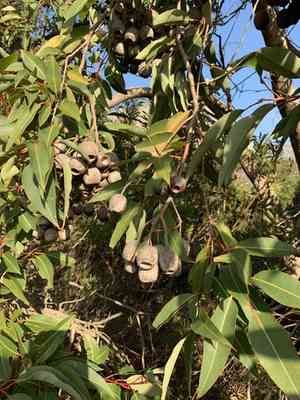
For red flowering gum, transplanting them to their permanent site as winter's cold recedes and spring's mildness appears offers the most favorable beginning. Choose a sunny, adequately draining area and minimize root disruption to foster vigorous development.
What Preparations are Needed Before Transplanting Red Flowering Gum?
What is the Ideal Time for Transplanting Red Flowering Gum?
The period from early to mid-spring, characterized by milder weather and increasing warmth, offers the best opportunity for relocating red flowering gum. During this time, the soil begins to warm, providing an optimal environment for root establishment and recovery post-transplant. The moderate temperatures and extended daylight hours in spring promote robust growth, aiding red flowering gum in adapting to its new site. Transplanting at this point allows ample time for the plant to strengthen its root system before the rigors of summer heat or winter cold.
How Much Space Should You Leave Between Red Flowering Gum Plants?
When planting red flowering gum, ensure generous room for expansion. An ideal spacing of 6-8 feet (approximately 1.8-2.4 meters) between plants is recommended. This spacing guarantees sufficient area for the plant to spread and thrive. Utilize a tape measure for precise placement!
What is the Best Soil Mix for Red Flowering Gum Transplanting?
Red flowering gum flourishes best in well-draining loamy or sandy soil. Before transplanting, gently untangle its roots and prepare the site with a high-quality garden soil mix enriched with a basic slow-release fertilizer. This helps the plant access nutrients early on.
Where Should You Relocate Your Red Flowering Gum?
Select a sunny spot for your red flowering gum, as this plant requires abundant sunlight. A location receiving full sun or partial shade would be perfect. A south-facing garden or balcony is highly suitable. However, it can also endure cooler conditions.
What Equipments Should You Prepare Before Transplantation Red Flowering Gum?
Gardening Gloves
To shield your hands from dirt and rough surfaces while handling the plant.
Shovel or Garden Spade
Used to carefully excavate around and beneath the red flowering gum to preserve its root system during removal.
Trowel
Useful for filling the hole where the red flowering gum will be transplanted.
Watering Can or Hose with a Gentle Spray Setting
To supply essential moisture to the plant's foliage and roots both before and after transplant.
Pruning Shears
To trim any damaged roots or branches.
Wheelbarrow
To move the red flowering gum from its original spot to the new location.
A Thick Drop Cloth
To carefully wrap the roots of the red flowering gum during transport, protecting them from harm and dehydration.
Organic Mulch
To help retain moisture, regulate soil temperature, and suppress weed growth after transplant.
How Do You Remove Red Flowering Gum from the Soil?
How Do You Remove Red Flowering Gum from the Soil?
From Ground: First, water the red flowering gum to moisten the soil. This will facilitate digging and minimize root damage. Use a shovel or garden spade to dig a wide circle around the red flowering gum, going deep enough to keep the main root system intact. Carefully work the spade under the root ball, then gently lift the red flowering gum from the ground.From Pot: Water the red flowering gum thoroughly and allow excess water to drain before attempting removal. Turn the pot sideways and gently slide out the red flowering gum, keeping the root ball as intact as possible. If the red flowering gum is tightly root-bound, you might need to tap the pot's sides to loosen it.From Seedling Tray: Water the red flowering gum to soften the soil, making removal easier. Use a trowel to loosen the soil around the red flowering gum without harming the roots. Gently scoop it out and prepare it for transplant.
Step-by-Step Guide for Transplanting Red Flowering Gum
Prepare the New Site
Dig a hole in the chosen location that is twice as wide and deep as the red flowering gum's root ball.
Place the Plant
Carefully position the red flowering gum in the hole, ensuring the top of its root ball is level with the surrounding soil. This aids the red flowering gum in establishing itself in its new spot.
Backfill the Hole
Refill the hole with the soil you initially removed, using your hands to firm the red flowering gum into place.
Water Thoroughly
Water the red flowering gum generously after transplant to settle the soil around the root ball and hydrate the plant.
Protect the Plant
Apply a layer of organic mulch around the base of the red flowering gum, avoiding direct contact with the stem.
How Do You Care For Red Flowering Gum After Transplanting?
Pruning
If any damage occurred to the red flowering gum during transplant, use pruning shears to remove these sections so the red flowering gum can focus on new growth.
Watering
In the weeks following transplant, ensure the red flowering gum receives ample water. This will significantly help the red flowering gum establish its roots in its new location.
Mulching
Maintain a layer of organic mulch around the base of the red flowering gum post-transplant. Mulch helps retain moisture around roots and suppresses weeds.
Pest and Disease Check
Regularly inspect the red flowering gum for signs of pest infestations or diseases. Early detection and intervention can prevent severe harm to the red flowering gum.
Troubleshooting Common Issues with Red Flowering Gum Transplantation.
When should I transplant my red flowering gum?
The optimal time to relocate your red flowering gum is during the early stages of S1-S2. This period offers ideal conditions for root establishment before the main growing season.
How much space should I leave between each red flowering gum I plant?
Provide ample room for your red flowering gum to develop. An ideal spacing is approximately 6-8 feet (1.8-2.4 meters) apart. This spacing helps prevent overcrowding and promotes healthier growth.
What should I do if the red flowering gum doesn't seem to adapt to the new place after transplantation?
Ensure the soil conditions align with red flowering gum's preferences. It thrives in well-drained soil. If the plant shows signs of distress, check and adjust the soil's pH level and moisture content.
What's the best method to transplant red flowering gum?
Dig a hole twice the size of the root ball, place your red flowering gum in, fill the hole halfway with original soil, and water it. Once drained, fill the remainder of the hole.
How do I ensure the red flowering gum has been transplanted deep enough?
The red flowering gum should be planted at the same depth as it was in its original pot. The top of the root ball should be level with or slightly above the surrounding soil.
Why is my transplanted red flowering gum not flowering?
Red flowering gum may take some time to bloom after being transplanted. Ensure it receives sufficient sunlight and nutrient-rich soil. Also, avoid unnecessary stressors like pests and harsh weather.
What if the leaves of red flowering gum become yellow after transplanting?
Yellow leaves typically indicate water stress. Make sure you are not overwatering. If the problem persists, consider adding a balanced slow-release fertilizer to the soil.
What to do if red flowering gum shows minimal growth after transplantation?
Ensure the red flowering gum receives adequate light, water, and nutrients. Slow growth can be a symptom of transplant shock; allow it some time to adjust to its new environment.
Should I prune red flowering gum after transplanting?
No, it's best not to prune after transplanting. Pruning directs the plant's energy towards leaf growth rather than root development. Allow your red flowering gum to establish its root system first.
Is it necessary to feed red flowering gum immediately after transplanting?
It's more crucial to ensure consistent watering after transplanting red flowering gum. Once red flowering gum is established, begin a regular feeding program with a balanced, slow-release fertilizer.



