How to Transplant Siberian hazelnut?
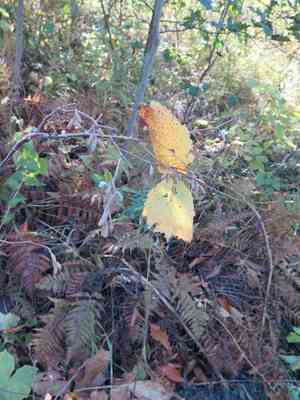
The most favorable period for relocating siberian hazelnut is from the onset of late spring's warmth through the initial days of summer. Select a spot receiving partial sunlight with soil that drains effectively to foster vigorous development. Handle the root structure with care to guarantee a smooth adjustment.
What Preparations are Needed Before Transplanting Siberian Hazelnut?
What is the Ideal Time for Transplanting Siberian Hazelnut?
The optimal period for relocating siberian hazelnut is from late spring to early summer. This timeframe, characterized by mild temperatures and consistent daylight, offers siberian hazelnut the perfect conditions for root development, avoiding the harsh extremes of summer heat or winter frost. Moving siberian hazelnut then allows it to adapt and establish a strong root system, ensuring vitality and resilience. Promoting growth during this season leads to a thriving siberian hazelnut capable of enduring future environmental challenges.
How Much Space Should You Leave Between Siberian Hazelnut Plants?
Before planting your siberian hazelnut, gently space out each young plant approximately 12-15 feet (3.7-4.6 meters) apart. This will ensure each one has ample room to grow and flourish without competing for nutrients and sunlight.
What is the Best Soil Mix for Siberian Hazelnut Transplanting?
Prepare a welcoming environment for your siberian hazelnut by selecting fertile, well-draining soil. Improve the earth by incorporating some organic compost as a foundational fertilizer, which will supply essential nutrients and support vigorous growth.
Where Should You Relocate Your Siberian Hazelnut?
Choose a sunny location for your siberian hazelnut where it can receive full sun to partial shade. An area getting 4-6 hours of sunlight daily will result in the happiest siberian hazelnut, encouraging healthy development and nut production.
What Equipments Should You Prepare Before Transplantation Siberian Hazelnut?
Shovel or Spade
To excavate the root ball of the siberian hazelnut and dig the new planting hole.
Watering Can or Hose
For hydrating the siberian hazelnut before and after relocation to minimize shock.
Wheelbarrow or Tarp
For moving the root ball of the siberian hazelnut from one spot to another.
Pruning Shears
To trim any damaged roots or branches.
Gardening Gloves
To safeguard your hands while working with the soil and plant.
Measuring Tape
To ensure the new hole has the appropriate depth and width.
Stakes and Ties
To provide support for the siberian hazelnut if needed after transplanting.
How Do You Remove Siberian Hazelnut from the Soil?
How Do You Remove Siberian Hazelnut from the Soil?
From Ground: Start by watering the soil around the siberian hazelnut to facilitate digging. Use a shovel or spade to create a wide circle around the siberian hazelnut, making sure to include as much of the root system as possible. Carefully work the tool beneath the root ball and gently lift the siberian hazelnut from the ground.From Pot: Ensure the siberian hazelnut is well-hydrated, then invert the pot and gently tap or squeeze it to loosen the root ball. Gradually slide the siberian hazelnut out, supporting the base of the stem as you do so.From Seedling Tray: Water the seedling tray to moisten the soil. Use a spoon or a small transplanting trowel to carefully scoop out individual siberian hazelnut seedlings by their leaves, taking care not to disturb the roots.
Step-by-Step Guide for Transplanting Siberian Hazelnut
Preparation
Examine the root ball of the siberian hazelnut and use pruning shears to remove any broken or excessively long roots. Prepare the root ball for transfer to its new location.
Digging the Hole
Use a shovel or spade to dig a hole at the new site that is twice the width of the root ball and equal in depth. Verify the dimensions with a measuring tape.
Placing the Plant
Gently place the siberian hazelnut into the hole. Position the plant so it sits at the same depth as it was in its original spot, which you can determine by the soil marks on the stem.
Backfilling
Refill the hole with the excavated soil, tamping down gently to eliminate air pockets. Ensure the siberian hazelnut is upright and stable.
Watering
Water the siberian hazelnut generously after planting to help settle the soil and provide moisture to the roots. If the soil settles significantly after watering, add more soil to level the surface.
Stabilizing
If the siberian hazelnut is large or if the site is exposed to strong winds, insert stakes around the siberian hazelnut and use ties to gently secure the plant to the stakes for additional support.
How Do You Care For Siberian Hazelnut After Transplanting?
Mulching
Spread a layer of organic mulch around the base of the siberian hazelnut to retain moisture, regulate soil temperature, and reduce weed competition.
Staking
Monitor the stability of the siberian hazelnut, especially if staked. Adjust ties as needed to avoid restricting growth and to offer consistent support.
Pruning
Remove any leaves or branches that show signs of stress or damage post-transplant to encourage healthy new growth.
Monitoring
Keep an eye on the siberian hazelnut for signs of transplant shock, which may include wilting or yellowing of leaves. Provide appropriate care and seek advice if conditions do not improve.
Troubleshooting Common Issues with Siberian Hazelnut Transplantation.
Why is my newly transplanted siberian hazelnut not thriving?
Ensure you transplanted during the ideal period between late spring and early summer for optimal growth.
How much space does siberian hazelnut need between plants when transplanting?
Aim for a generous spacing of 12-15 feet (3.7-4.6 meters) to allow room for growth and air circulation.
What's the best soil preparation for transplanting siberian hazelnut?
Before transplanting, enrich the soil with organic matter and ensure it's well-draining to support root health.
How deep should I plant siberian hazelnut saplings?
Plant the sapling so that the root ball sits just below the soil surface, not deeper to avoid root suffocation.
Can I transplant siberian hazelnut on a hot day?
Transplant on a cooler day or in the evening to reduce transplant shock and water stress.
How do I protect siberian hazelnut roots during transplanting?
Keep roots moist and minimize exposure to air. Handle with care to prevent damage.
What's the right watering schedule after transplanting siberian hazelnut?
Water thoroughly after transplanting, then regularly to keep soil moist until the plant is established.
Why are the leaves of my transplanted siberian hazelnut wilting?
Wilting could indicate water stress or root damage. Check moisture levels and root integrity.
Should I prune siberian hazelnut during transplanting?
Light pruning is beneficial; remove damaged or excessively long branches to focus the plant's energy on root development.
How can I tell if my siberian hazelnut is properly planted?
A properly planted siberian hazelnut looks healthy, has perky leaves, with new growth evident as seasons progress.



