How to Transplant Beaked hazelnut?
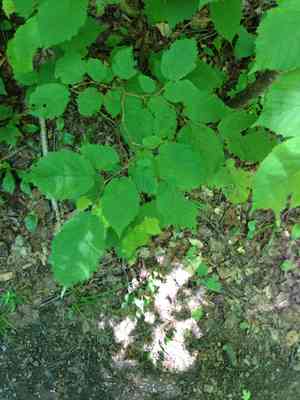
The most suitable time for transplanting beaked hazelnut is when early spring arrives and the ground is prepared for cultivation. Select a location that receives partial shade and has soil that drains effectively. Carefully manage the root system during this phase to ensure a strong basis for future development.
What Preparations are Needed Before Transplanting Beaked Hazelnut?
What is the Ideal Time for Transplanting Beaked Hazelnut?
For beaked hazelnut, the most favorable period for relocation is at the onset of spring. This timing allows beaked hazelnut to establish its root system prior to the summer heat. By selecting this window, you'll provide beaked hazelnut with a strong foundation, utilizing the mild temperatures and moist soil that spring brings, which are crucial for root development and minimizing transplant shock.
How Much Space Should You Leave Between Beaked Hazelnut Plants?
Exciting times ahead! Make sure to position your beaked hazelnut plants approximately 3-5 feet (90-150 cm) apart. This provides them with ample room to expand and thrive. Remember, proper spacing leads to healthier plants!
What is the Best Soil Mix for Beaked Hazelnut Transplanting?
Your beaked hazelnut will flourish in well-draining loamy soil. Prepare by incorporating some organic compost at the base; it serves as an excellent natural nutrient source. If the soil is dense, lighten it with some sand. Happy preparation!
Where Should You Relocate Your Beaked Hazelnut?
When selecting a site for your beaked hazelnut, opt for a location with full to partial sun exposure. These plants prosper under the sun's warmth, just ensure they aren't overexposed throughout the day. Happy gardening!
What Equipments Should You Prepare Before Transplantation Beaked Hazelnut?
Shovel or Spade
You'll need this tool for excavating holes at both the original site of the beaked hazelnut and its new location. It also aids in moving the plant from one spot to another.
Gardening Gloves
To safeguard your hands while handling the soil and plant material.
Watering Can or Hose
Essential for hydrating the beaked hazelnut before and after transplanting to alleviate stress.
Wheelbarrow or Tarp
Depending on the size of the beaked hazelnut, you might require one of these for effortless transportation of the plant to its new home.
How Do You Remove Beaked Hazelnut from the Soil?
How Do You Remove Beaked Hazelnut from the Soil?
From Ground: First, hydrate the beaked hazelnut to moisten the soil; this facilitates digging and reduces the risk of root damage. Dig a wide trench around the plant using your shovel or spade, being careful not to sever any roots. Then, gently work your spade beneath the root ball and lift the plant from its position while keeping the root ball intact. Place the lifted plant into your wheelbarrow or onto your tarp for easy transport.From Pot: Water the beaked hazelnut and carefully tilt the pot to the side. Tap the sides and bottom softly to dislodge the plant and soil. If it's resistant, slide a knife around the pot's edge to free any clinging roots. Gently slide the plant with its root ball out of the pot without pulling on its stem.From Seedling Tray: Water thoroughly and use a spoon or small implement to lift seedlings from the tray. Hold the seedlings carefully by their leaves, never by their stems, as you get ready to move them to their new ground.
Step-by-Step Guide for Transplanting Beaked Hazelnut
Preparation
Prepare the new planting site before extracting the beaked hazelnut from its current spot. The hole should be sufficiently wide and deep to accommodate the plantâs root ball and allow room for root expansion. The sides of the hole should be sloped and not overly smooth to facilitate root penetration into the surrounding soil.
Transplanting
Position the beaked hazelnut in the hole, ensuring that the top of the root ball is level with or slightly above the surrounding soil to prevent water accumulation at the stem's base, which can lead to rot. Gently spread out the roots of your beaked hazelnut and backfill the hole with soil, firming it lightly to eliminate air pockets.
Watering
Water the beaked hazelnut plant generously immediately after transplanting; this helps settle the soil around the roots and lessens transplant shock.
Mulching
Apply 2 to 3 inches of mulch around the beaked hazelnut plant, but be sure not to pile the mulch against the stem. Mulch can help keep the roots cool, conserve moisture, and reduce weed competition.
How Do You Care For Beaked Hazelnut After Transplanting?
Scheduled Watering
During the initial weeks following the transplant of your beaked hazelnut, water it consistently. This might be daily or every other day, depending on the weather and the plant's hydration needs. The soil should remain moist, but be careful not to overwater.
Monitoring Growth
Continuously observe your beaked hazelnut's growth progress. Any indications of brown leaves or wilting should be addressed promptly, which could involve adjusting its watering schedule, checking for pests or diseases, and rectifying as necessary.
Pruning
It may be necessary to prune your beaked hazelnut annually to encourage it to direct energy into developing strong roots rather than producing fruits/nuts in the first few years. This promotes healthier and more vigorous growth in the long term.
Troubleshooting Common Issues with Beaked Hazelnut Transplantation.
When is the ideal season to transplant the beaked hazelnut?
The optimal period to relocate beaked hazelnut is during S1 when the plant is dormant. This season promotes more effective root establishment.
How far apart should I plant my beaked hazelnut saplings?
For healthy development and ample foliage, beaked hazelnut saplings should be spaced approximately 3-5 feet (0.9-1.5 meters) apart. This provides sufficient room for expansion.
Are there certain conditions to follow for transplantation of beaked hazelnut?
Yes! Ensure to transplant beaked hazelnut in well-drained soil. Additionally, the site should receive full sun to partial shade for optimal growth.
Is it necessary to water beaked hazelnut right after transplanting?
Absolutely! Immediately after transplanting, make sure to thoroughly water beaked hazelnut. This aids in settling the soil around the roots and eliminating air pockets.
Do I need to trim beaked hazelnut before transplanting?
If beaked hazelnut is excessively large or unmanageable, consider light top-pruning. This can help compensate for root loss during the transplanting process.
What if the leaves of my transplanted beaked hazelnut start to wilt?
Wilting can indicate stress. Increase watering but be careful not to oversaturate the soil. If wilting persists, consider using a shade cloth for protection.
Is it appropriate to fertilize beaked hazelnut immediately after transplanting?
Avoid fertilizing immediately after transplanting beaked hazelnut to prevent root burn. Allow the plant time to adapt to its new environment first.
How deep should I plant my beaked hazelnut sapling?
Plant beaked hazelnut so that it remains at the same level it occupied in its original pot. Burying it too deeply may lead to suffocation.
What should I do if the beaked hazelnut doesn't show growth after transplanting?
If beaked hazelnut doesn't exhibit growth, ensure it's not planted too deeply, receiving adequate water, and not exposed to harsh weather conditions.
Should I stake my newly transplanted beaked hazelnut?
Staking isn't compulsory unless beaked hazelnut is tall and unable to support itself. Just ensure to remove stakes as soon as the plant stabilizes.



