How to Transplant Pampas grass?
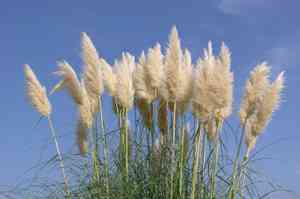
The ideal period for relocating pampas grass spans from the end of spring to the beginning of autumn, facilitating its best development. Select a bright spot with soil that drains effectively to allow pampas grass to flourish. Be sure to allocate ample room for its expansion, creating an impressive aesthetic.
What Preparations are Needed Before Transplanting Pampas Grass?
What is the Ideal Time for Transplanting Pampas Grass?
The optimal period to relocate pampas grass is between late spring and early autumn. This timeframe provides pampas grass with an ideal mix of warmth and moisture for effective root establishment. Moving pampas grass during this window allows the plant ample opportunity to acclimate and strengthen its roots prior to winter. Furthermore, the strong summer sun encourages pampas grass growth, adding a tropical touch to your garden. Your pampas grass will certainly appreciate this moving time!
How Much Space Should You Leave Between Pampas Grass Plants?
When relocating pampas grass, ensure each plant is spaced approximately 6-8 feet (1.8-2.4 meters) apart. This spacing permits unrestricted growth and guarantees adequate air circulation, which aids in maintaining their vitality.
What is the Best Soil Mix for Pampas Grass Transplanting?
Prepare a soil mixture that drains well for pampas grass, incorporating organic materials such as compost or aged manure. A suitable foundational fertilizer to mix into the soil is a balanced, slow-release granular formula (e.g., 10-10-10). This helps stimulate growth and foster robust root development.
Where Should You Relocate Your Pampas Grass?
Choose a spot for pampas grass that receives full sun exposure. This plant thrives in bright light and will flourish in areas getting at least 6 hours of direct sunlight daily. Additionally, select an area that can accommodate the plant's mature size.
What Equipments Should You Prepare Before Transplantation Pampas Grass?
Gardening Gloves
To safeguard your hands while handling the plant and soil.
Shovel or Spade
For excavating the hole for the plant's root ball in its new spot, and for extracting the pampas grass from its current location.
Pruning Shears
To remove any dead or damaged foliage, which will help the plant direct its energy towards developing new roots.
Watering Can
For hydrating the pampas grass both before and after its relocation.
Wheelbarrow or Tarp
To move the plant from its original position to the new planting site without causing harm.
Gardening fork
To loosen the soil around the pampas grass roots for transfer from containers or seedling trays.
How Do You Remove Pampas Grass from the Soil?
How Do You Remove Pampas Grass from the Soil?
From Ground: Initially, moisten the pampas grass to soften the soil. This facilitates easier plant movement. Using a spade, dig a wide circle around the plant, ensuring the root ball remains intact. Gradually work the spade beneath the root ball, being careful to preserve the root system's integrity, and lift the plant from its spot.From Pot: First, thoroughly water the pampas grass to hydrate its roots. Gently tilt the pot on its side and carefully slide the plant out. If the plant resists, tap the pot's sides to loosen the soil. Avoid pulling the plant by the stem as this can cause damage.From Seedling Tray: Water the seedlings well before transplanting. Use a gardening fork to carefully lift the pampas grass out of the tray. Try to keep as much soil around the roots as possible to avoid disturbing them excessively.
Step-by-Step Guide for Transplanting Pampas Grass
Preparation
Select the appropriate time for transplanting, ideally during cooler weather conditions such as early spring or fall to minimize stress.
Digging The Hole
Excavate a hole twice as wide and equally as deep as the pampas grass root ball. Position the plant in the hole, ensuring the top of the root ball is level with the surrounding soil.
Planting
Backfill the hole with soil, pressing it firmly around the base of the pampas grass to ensure stability. You'll want to eliminate any air pockets in the soil.
Cleanup & Watering
Trim any dead or damaged foliage from the plant using the pruning shears. Water the pampas grass thoroughly after planting, ensuring that the water reaches the roots.
How Do You Care For Pampas Grass After Transplanting?
Pruning
Regularly trim your pampas grass to encourage denser growth and maintain the plant's size.
Watering
Although pampas grass is drought-resistant, consistent watering during the initial weeks post-transplant will aid the plant in establishing its roots. Once settled, you can reduce watering.
Feeding
Nourish the pampas grass with a balanced slow-release fertilizer in the spring to promote robust growth. However, once established, avoid excessive fertilization as it can lead to overgrowth.
Troubleshooting Common Issues with Pampas Grass Transplantation.
When is the best time to transplant pampas grass?
Relocating pampas grass is most successful from the start of summer to the early signs of fall.
What is the optimal distance between pampas grass plants while transplanting?
Sufficient growth space is vital; aim for a distance of about 6-8 feet (1.8-2.4 meters) between each pampas grass.
Why is my transplanted pampas grass wilting?
Wilting may indicate water stress. Water pampas grass adequately during the transplanting process and ensure consistent watering afterward.
Can I transplant pampas grass into a pot?
While feasible, pampas grass thrives best when planted in the ground due to its extensive root system. A large container is necessary.
Do I need to fertilize pampas grass after transplanting?
Yes, applying a balanced fertilizer upon transplanting helps pampas grass establish quickly and encourages healthy growth.
How deep should the hole be for transplanting pampas grass?
For optimal results, dig a hole that is twice the width and the same depth as the plant's root ball.
What type of soil is best for transplanting pampas grass?
Pampas grass prefers well-drained soil. If your soil is heavy clay or drains poorly, adding organic matter can help improve conditions.
Why is my pampas grass turning yellow after transplanting?
Yellowing could indicate overwatering or inadequate drainage. Monitor your watering habits and ensure the soil drains effectively.
Do I prune pampas grass before or after transplanting?
It is generally better to prune pampas grass before transplanting. Trimming back can reduce stress and help the plant focus energy on root growth.
Can pampas grass survive if I transplant it in late fall or winter?
Pampas grass has the highest chance of survival when transplanted from early summer to early fall. Late fall or winter transplanting risks frost damage.



