How to Transplant Cornus sanguinea?
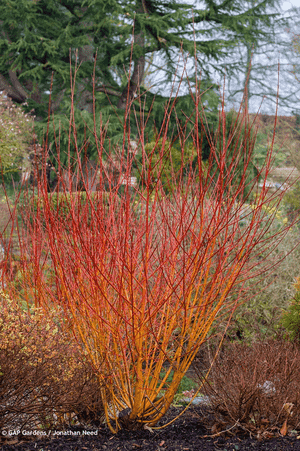
The ideal period for relocating common dogwood is from early to mid-spring, when the ground is warm and receptive. Select a spot featuring good drainage and partial sunlight to aid common dogwood in settling. Carefully move it to its new position, ensuring a seamless adjustment.
Essential Preparations Before Relocating Common Dogwood
Optimal Period for Relocating Common Dogwood
The perfect time for moving common dogwood is during spring's awakeningâspecifically from mid to late spring. This timeframe ensures the soil is warming, encouraging robust root development. Relocating common dogwood at this point capitalizes on its natural growth cycle, setting the stage for vigorous progress throughout the season. Embrace this window, as it provides common dogwood the best opportunity to flourish in its new spot, benefiting from spring's nurturing touch.
Recommended Spacing Between Common Dogwood Plants
When transplanting common dogwood, allow ample room for each plant to expand. Ideally, aim for a separation of approximately 5-6 feet (1.5-1.8 meters) between them. This ensures your plants have sufficient space to spread out!
Ideal Soil Mixture for Common Dogwood Relocation
Common dogwood thrives in well-drained, loamy soil. Improve the soil with a base fertilizer and organic matter such as compost or peat moss, ideally several weeks prior to planting. This enriches your soil, helping your plants prosper.
Selecting a New Site for Your Common Dogwood
Choose a location where common dogwood will receive partial to full sunlight. These plants appreciate sun exposure but can tolerate some shade. Therefore, a spot that gets sunlight for at least half the day would be ideal.
Tools Required Before Transplanting Common Dogwood
Gardening Gloves
To safeguard your hands while handling soil and the plant.
Spade or Shovel
For digging a hole for the plant and assisting in its removal from the original site.
Watering Can
Used for hydrating the plant before and after its relocation.
Wheelbarrow
To move the common dogwood from its initial spot to the new one.
Garden Fork
To gently loosen the soil around the plant's roots when extracting it and placing it in the new hole.
Mulch
To help retain moisture around the plant post-transplantation.
Method for Extracting Common Dogwood from the Soil
Method for Extracting Common Dogwood from the Soil
From Ground: Hydrate common dogwood before beginning to soften the soil, making excavation easier. Dig a circle around the plant, large enough to encompass the root system and keep it intact. Use a garden fork or your hands to carefully lift the plant from the ground, ensuring no root damage.From Pot: Water the plant beforehand so the soil is slightly moist. Turn the pot on its side and gently slide the plant out. If it doesn't come out easily, tap the pot's bottom. Be careful not to pull or shake the plant too forcefully to prevent harm.From Seedling Tray: Water the tray prior to starting. Use a garden fork or your hand to carefully lift each seedling, taking care not to harm the root system, and transfer it to the prepared ground.
Step-by-Step Guide for Relocating Common Dogwood
Preparation
Excavate a hole that is twice the width of the common dogwood's root ball and the same depth as its current position. The top of the root ball should be level with the ground when placed in the hole.
Placement
Carefully position the common dogwood into the prepared hole, ensuring no damage to the roots. Adjust its orientation so the plant's most appealing side faces the primary viewing direction.
Backfilling
Refill the hole with the original soil, gently patting it down around the plant's base to eliminate any air pockets.
Watering
After planting, water thoroughly using a gentle flow to settle the soil around the roots.
Mulching
Apply a layer of mulch around the plant to aid in moisture retention and suppress weeds.
Post-Transplantation Care for Common Dogwood
Monitoring
Observe the common dogwood daily for several weeks, looking for any indications of stress. Check the leaves for browning or wilting, which might signal transplant shock.
Careful Watering
Consistent watering is crucial during the initial weeks after relocation. Ensure the soil remains moist, but not waterlogged.
Avoid Fertilizers
Refrain from using any fertilizers until the common dogwood has had time to establish itself, typically when new growth becomes visible.
Pruning
Trim back any dead or damaged branches to direct the plant's energy towards developing new roots.
Resolving Common Issues During Common Dogwood Transplantation
What is the optimal time of year to move common dogwood?
For best growth, relocate common dogwood in late spring to early summer (S2-S3).
What distance should we maintain between common dogwood plants?
For ideal growth, each common dogwood should be transplanted approximately 5-6 feet (1.5-1.8 meters) apart.
What size should the hole be for relocating common dogwood?
The hole should be about twice the size of the plant's root ball. It needs to be deep and wide enough to accommodate the roots without compression.
How much should I water common dogwood after relocation?
Water thoroughly immediately after transplanting, making the soil moist but not saturated. For the subsequent weeks, maintain regular watering based on local weather conditions.
How should I prepare the soil for common dogwood?
The soil should be well-draining with a good blend of garden soil, compost, and organic matter. The pH should be near neutral for common dogwood.
Should I prune common dogwood before or after relocating?
Prune the common dogwood before transplanting to minimize water loss and stress. However, only remove dead or diseased branches, preserving as much healthy growth as possible.
After relocating common dogwood, when can I expect new growth?
Depending on the season and local conditions, new growth typically appears within 3-4 weeks following transplantation.
How can I prevent transplant shock in common dogwood?
Minimize root disturbance during transplantation, water consistently, and apply a layer of mulch to keep the plant moist and protected.
Why are the leaves of my common dogwood turning yellow after relocation?
Yellowing leaves may indicate overwatering or a nutrient deficiency. Ensure that the soil drains well and provide balanced nutrition.
Should I fertilize common dogwood right after relocating it?
It's not recommended to fertilize immediately after transplanting to avoid root burn. Wait for about 4-6 weeks until the plant is established.



