How to Transplant Pacific dogwood?
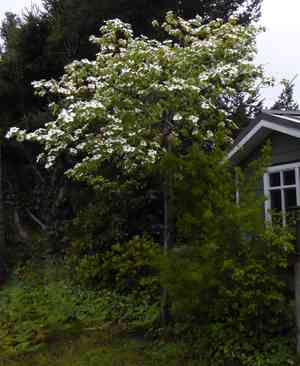
For Cornus nuttallii, the peak of the spring season, usually from mid-spring to late spring, presents the ideal period for relocating it, owing to consistent temperatures and favorable conditions for root development. Select a location with partial shade and soil that drains effectively. Should it be required, provide protection and regular hydration following the transplant.
What Preparations are Needed Before Transplanting Pacific Dogwood?
What is the Ideal Time for Transplanting Pacific Dogwood?
The optimal period for relocating pacific dogwood is during mid-spring. This timeframe provides mild temperatures and suitable soil conditions, promoting robust root development. Transplanting in this season aligns with the plant's natural growth cycle, enhancing its chances of flourishing in its new spot. Utilizing this ideal window not only matches pacific dogwood's biological rhythm but also leverages the upcoming longer days, offering your pacific dogwood ample opportunities for growth.
How Much Space Should You Leave Between Pacific Dogwood Plants?
Ensure adequate spacing when planting your pacific dogwood, ideally about 10-15 feet (3-4.5 meters) apart. This provides sufficient room for development and proper air circulation among the plants, maintaining their health and good condition.
What is the Best Soil Mix for Pacific Dogwood Transplanting?
Your pacific dogwood will thrive in soil that drains well. Thoroughly blend organic material into the soil before planting to create a nutrient-rich foundation. A slow-release granular fertilizer would be an excellent start to support its growth.
Where Should You Relocate Your Pacific Dogwood?
Position your pacific dogwood in an area that receives full sun to partial shade. However, be aware that excessive hot, direct sunlight can lead to leaf scorch. A thoughtfully chosen location ensures healthy plant development.
What Equipments Should You Prepare Before Transplantation Pacific Dogwood?
Gardening Gloves
To safeguard your hands while handling soil and pacific dogwood.
Spade or Shovel
For excavating the soil and extracting the pacific dogwood from its original site.
Garden Trowel
Crucial for smaller digging tasks, such as preparing a hole for the pacific dogwood in its new spot.
Pruning Shears
To trim off any dead or diseased branches from the pacific dogwood prior to transplanting.
Watering Can
To keep the plant hydrated before, during, and after the relocation.
How Do You Remove Pacific Dogwood from the Soil?
How Do You Remove Pacific Dogwood from the Soil?
From Ground: Begin by irrigating the pacific dogwood plant to soften the earth, making excavation easier. Then, using a spade or shovel, start digging a wide and deep circle around the pacific dogwood, ensuring you're not too close to prevent root damage. Once you've dug a sufficiently deep trench, carefully get under the root ball and attempt to lift the entire plant out of the hole. Keep as much of the root ball intact as possible.From Pot: First, water your pacific dogwood generously; this should facilitate the removal process. Tilt the pot sideways, then support the main stem with one hand and use the other hand to gently tap the pot's edge so the pacific dogwood slides out. You might need to rotate the pot and tap multiple times.From Seedling Tray: Water the pacific dogwood seedlings first to moisten the growing medium. Then, with a gentle touch, grasp the seedling by its leaves, not the stem or root, and carefully lift it from its cell. If it doesn't come out easily, use a tool like a spoon to assist in its removal.
Step-by-Step Guide for Transplanting Pacific Dogwood
Preparation
Ensure the new site is ready before you extract the pacific dogwood from its initial location. Use your garden trowel to excavate a hole twice as wide and nearly as deep as the pacific dogwood's root ball in the new spot.
Transplanting
Carefully position pacific dogwood in the hole. Make sure the top of the roots is level with the surrounding soil, then backfill the hole with soil, and gently press to firm it.
Watering
After transplanting, thoroughly water the pacific dogwood. Saturate the area to ensure moisture reaches the root zone. This helps settle the soil around the roots and prevents dehydration.
How Do You Care For Pacific Dogwood After Transplanting?
Relocation Stress
Moving can be taxing for plants, so it might exhibit signs of transplant shock, even with pacific dogwood. Do not be alarmed if it sheds some leaves or doesn't bloom for a period. It's simply adapting to its new environment.
Proper watering
Although overwatering can be as detrimental as underwatering, pacific dogwood may require more moisture than usual post-transplant. Ensure it receives adequate hydration, especially during the initial weeks.
Protection
If feasible, provide pacific dogwood with some shade for the first couple of days after transplanting. This can help pacific dogwood recover from the shock of relocation more quickly.
Troubleshooting Common Issues with Pacific Dogwood Transplantation.
What's the best time of year to transplant pacific dogwood?
The ideal season to relocate pacific dogwood is S2, when temperatures are moderately cool, perfect for root development.
What's the right spacing when planting pacific dogwood?
To allow ample room for growth, pacific dogwood should ideally be spaced approximately 10-15 feet (3-4.5 meters) apart.
How deep should I dig the hole for pacific dogwood transplanting?
The excavation should be twice as wide and as deep as the root ball of the pacific dogwood. This allows roots to spread out and establish quickly.
What's the correct way to remove pacific dogwood from the existing place?
Carefully dig around the drip line of pacific dogwood, then gradually deepen your excavation to avoid damaging the root system. Once loosened, gently extract the plant.
How to prepare the soil for transplanting pacific dogwood?
Enrich the soil with organic matter or compost. This enhances soil fertility and drainage, which are crucial for pacific dogwood's healthy growth.
Do I need to prune pacific dogwood before transplanting?
Yes, prune heavily to lessen the stress of transplanting. Remember to maintain the essential structure of pacific dogwood.
How should I water pacific dogwood after transplanting?
Water pacific dogwood thoroughly after transplanting, and continue to water regularly. But remember, excessive watering can lead to root rot.
Should I stake pacific dogwood after transplanting?
Staking can support pacific dogwood until it establishes its new root system. However, avoid tightly securing the tree to the stake.
How to care for pacific dogwood in the first few weeks after transplanting?
Keep the soil moderately moist, regularly trim dead or wilted branches, and watch for signs of distress, such as yellowing or dropping leaves.
Is mulching necessary after transplanting pacific dogwood?
Applying a layer of mulch around pacific dogwood can help retain moisture, suppress weeds, and regulate soil temperature, which is beneficial for establishing new transplants.



