How to Transplant Kousa dogwood?
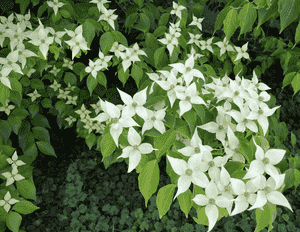
The ideal period for relocating kousa dogwood is at the onset of new development in early spring, allowing the specimen to anchor its roots prior to the advent of warmer temperatures. Select a site with good drainage and partial shade for kousa dogwood. Bear in mind, a careful approach is crucial when managing its fragile root structure during the relocation process.
What Preparations are Needed Before Transplanting Kousa Dogwood?
What is the Ideal Time for Transplanting Kousa Dogwood?
Early spring marks an excellent period for relocating kousa dogwood. The cooler temperatures and increased moisture levels are beneficial, helping the roots acclimate. It's vital to plant kousa dogwood before new growth emerges for a successful transfer. This timing allows kousa dogwood sufficient time to establish itself prior to summer's heat.
How Much Space Should You Leave Between Kousa Dogwood Plants?
When transplanting kousa dogwood, it's best to provide ample room for comfortable growth. Aim for a separation of 15-20 feet (4.6-6.1 meters) between plants, ensuring the specimen has enough space to expand its branches and develop.
What is the Best Soil Mix for Kousa Dogwood Transplanting?
The optimal soil for kousa dogwood is well-draining, rich, and slightly acidic (pH 5.5-6.5). To prepare the soil, incorporate a generous amount of organic material such as compost or aged manure, along with a small quantity of slow-release all-purpose fertilizer.
Where Should You Relocate Your Kousa Dogwood?
Select a sunny location for your kousa dogwood, ideally where it can receive at least 4-6 hours of direct sunlight daily. Partial shade is also acceptable, but avoid dark or heavily shaded areas that could hinder the plant's growth.
What Equipments Should You Prepare Before Transplantation Kousa Dogwood?
Gardening Gloves
To safeguard your hands while handling soil and the plant.
Shovel or Spade
For excavating a new planting site and extracting the plant from its original spot.
Soil Amendment (Compost or Peat Moss)
To enhance the existing soil structure and promote optimal plant health.
Watering Can or Hose
To hydrate the plant following its relocation.
Hand Pruner or Scissors
To trim any damaged or superfluous branches and leaves.
Garden Trowel
To assist with digging and backfilling soil around the plant's root ball.
How Do You Remove Kousa Dogwood from the Soil?
How Do You Remove Kousa Dogwood from the Soil?
From Ground: First, moisten the kousa dogwood plant to dampen the soil. Next, excavate a wide trench around the plant using a shovel or spade, ensuring the root ball remains intact. Carefully work the spade beneath the root ball to lift the plant from its initial position.From Pot: Water the kousa dogwood plant before removing it from the container to minimize stress. Invert the pot and gently tap its rim against a firm surface to loosen the root ball. Carefully slide the plant out of the pot, keeping the root ball undisturbed.From Seedling Tray: Water the kousa dogwood seedling tray to moisten the growing medium. Gently grasp the seedling by its leaves or stem and lift it from the tray, ensuring minimal damage to the roots.
Step-by-Step Guide for Transplanting Kousa Dogwood
Site Selection
Choose a spot with adequate room for your kousa dogwood plant to reach its full size.
Hole Preparation
Dig a hole at least twice the width of the root ball and of equal depth, using a shovel or spade. Combine equal parts of native soil with soil amendment to improve its structure and nutrient content.
Positioning the Plant
Carefully lower the kousa dogwood plant's root ball into the hole, ensuring it sits at the same level as it did in its previous location. Spread the roots evenly within the hole.
Filling the Hole
Backfill the hole with the amended soil mixture, gently compacting it around the root ball. Avoid planting too deeply or leaving the roots exposed.
Watering
Thoroughly water the plant with a watering can or hose, ensuring the soil settles around the roots. Apply water gently and slowly to minimize disturbance to the roots and surrounding soil.
Pruning
Remove any damaged or unnecessary branches and leaves using hand pruners or scissors to encourage new growth and reduce stress on the kousa dogwood plant.
How Do You Care For Kousa Dogwood After Transplanting?
Watering
Keep the soil around the kousa dogwood consistently moist, but not waterlogged, for the initial weeks post-transplant to aid in strong root establishment.
Mulching
Apply 2-4 inches of organic mulch around the plant's base, being careful to keep it away from the stem. This helps retain soil moisture and suppress weeds.
Monitoring
Observe the kousa dogwood plant for any indications of stress, such as wilting, yellowing, or leaf drop. If issues arise, adjust your care as needed, which may include additional watering or plant maintenance.
Fertilizing
Wait at least one month after transplanting before fertilizing the kousa dogwood plant with a balanced, slow-release fertilizer, adhering to package instructions for application rates and frequency.
Troubleshooting Common Issues with Kousa Dogwood Transplantation.
When is the perfect time to transplant kousa dogwood?
Ideally, you should relocate kousa dogwood as winter's final frost recedes, at the start of spring.
What's the preferred distance between each kousa dogwood during replanting?
15-20 feet (4.5-6 metres) is an appropriate spacing between each kousa dogwood to allow for growth.
My kousa dogwood is wilting post-transplant. What could be wrong?
Wilting after transplant typically indicates that your kousa dogwood is experiencing transplant shock. Maintain consistent watering and consider incorporating root stimulator products into its care routine.
How should I prepare the ground before transplanting kousa dogwood?
Firstly, ensure good soil drainage. Add organic compost to enhance its fertility. The hole for kousa dogwood should be twice as wide and as deep as the root ball.
What kind of soil does kousa dogwood prefer?
Kousa dogwood thrives in well-drained, slightly acidic to neutral pH soil. Incorporating organic matter will improve its fertility and drainage.
Why are the leaves of my newly transplanted kousa dogwood turning yellow?
Yellowing leaves could signal over-watering or insufficient drainage. Ensure the soil allows for proper water flow and adjust your watering schedule accordingly.
What is the proper way to water kousa dogwood after transplanting?
Water kousa dogwood thoroughly after transplanting, ensuring the soil is moist but not saturated. Then maintain regular watering, depending on weather conditions.
Should I fertilize kousa dogwood right after transplanting?
Delay fertilization for a month before applying a slow-release, balanced fertilizer. Newly transplanted kousa dogwood is sensitive and may react negatively to immediate nutrient application.
How much sun exposure does kousa dogwood need after transplanting?
Kousa dogwood flourishes in either full sun or partial shade but might prefer some afternoon shade in particularly hot climates.
How do I avoid root disturbance when transplanting kousa dogwood?
Carefully dig around the root ball, leaving ample space. Move it gently, preventing significant root disruption. Dropping or rough handling can harm kousa dogwood.



