How to Transplant Pagoda dogwood?
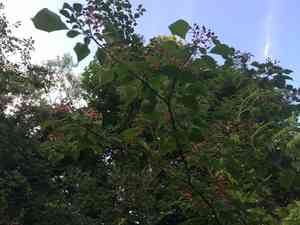
The ideal period for relocating pagoda dogwood is from mid-spring to late spring, facilitating optimal root development prior to the summer warmth. Select a site with partial shade and soil that drains effectively to ensure a seamless transplant. Ensure the root ball remains hydrated and free of tangles for a successful move.
What Preparations are Needed Before Transplanting Pagoda Dogwood?
What is the Ideal Time for Transplanting Pagoda Dogwood?
Aim to relocate pagoda dogwood from mid to late spring, a period when it flourishes most. Choosing this timeframe ensures optimal root establishment, leading to a more vigorous and thriving plant. You'll be pleased with the outcome!
How Much Space Should You Leave Between Pagoda Dogwood Plants?
When transplanting pagoda dogwood, aim for a generous spacing of approximately 10 feet (3 meters) between each specimen. This provides ample room for them to expand and achieve their full growth potential.
What is the Best Soil Mix for Pagoda Dogwood Transplanting?
To give pagoda dogwood an excellent start, combine well-draining soil with a foundational fertilizer containing nitrogen, phosphorus, and potassium. This will create a rich base for your plant to flourish.
Where Should You Relocate Your Pagoda Dogwood?
When selecting a new site for pagoda dogwood, it's crucial to choose a location with partial to full sun exposure. This will ensure the plant receives the necessary light to thrive and produce beautiful foliage.
What Equipments Should You Prepare Before Transplantation Pagoda Dogwood?
Gardening Gloves
To safeguard your hands while handling soil and the plant.
Shovel or Spade
For excavating the planting hole and removing the pagoda dogwood from its original spot.
Garden Trowel
Useful for more precise digging around the plant's root ball or in confined areas.
Watering Can or Hose
To hydrate the plant and the new hole before transplanting, as well as for ongoing care.
Pruning Shears
To trim any damaged or crossing branches from the pagoda dogwood before relocation.
Organic Compost or Fertilizer
To enrich the planting area and stimulate root development and growth.
Mulch
To aid in moisture retention and regulate soil temperature post-transplanting.
How Do You Remove Pagoda Dogwood from the Soil?
How Do You Remove Pagoda Dogwood from the Soil?
From Ground: Start by watering the pagoda dogwood to moisten the surrounding soil. Then, dig a wide trench around the plant using a shovel or spade, ensuring the root ball remains intact. Carefully work the spade beneath the root ball to lift the plant from its initial location, taking care not to harm nearby roots.From Pot: First, thoroughly water the pagoda dogwood to facilitate its removal from the container. Turn the pot on its side and gently slide the plant out, being cautious not to damage the root system. If the plant is resistant, you might need to lightly tap the pot to dislodge it.From Seedling Tray: Water the pagoda dogwood to dampen the soil, then carefully extract the plant from its cell by pressing the tray's bottom or using a small trowel to free the root ball.
Step-by-Step Guide for Transplanting Pagoda Dogwood
Site Preparation
Begin by clearing the planting area of any weeds or debris. Cultivate the soil to a depth of 12-18 inches to loosen it, then incorporate some organic compost or fertilizer to enhance its nutrient content.
Digging the Hole
Use a shovel or spade to excavate a hole that is twice as wide and the same depth as the pagoda dogwood's root ball. Roughen the sides of the hole to allow roots to easily penetrate the soil.
Positioning the Plant
Place the pagoda dogwood in the center of the hole, ensuring the top of the root ball is level with the surrounding ground. Spread the roots evenly within the hole, being careful not to crowd them.
Filling the Hole
Carefully backfill the hole with the excavated soil, making sure to keep the root ball's position level with the surrounding ground. Gently tamp the soil with your hands or the back of the shovel to remove air pockets.
Watering
Once the planting hole is filled, thoroughly water the pagoda dogwood to settle the soil and establish good root-to-soil contact. Ensure the water penetrates deeply to reach the entire root system.
Mulching
Apply a 2-3 inch layer of mulch around the base of the pagoda dogwood, making sure to keep it a few inches away from the stem to prevent rot.
How Do You Care For Pagoda Dogwood After Transplanting?
Watering
Maintain consistent soil moisture levels after transplanting, watering the pagoda dogwood deeply as needed to encourage robust root development.
Pruning
Remove any damaged, dead, or crossing branches from the pagoda dogwood to improve its overall health and appearance during the initial growing season.
Monitoring
Keep a close watch on the pagoda dogwood's health and growth during the first year post-transplant. Check for signs of pests or diseases and address them promptly to ensure the plant's long-term success.
Annual Care
Fertilize the pagoda dogwood annually with organic compost or a slow-release granular fertilizer to maintain soil fertility. Prune the plant as necessary to preserve its desired shape and size.
Troubleshooting Common Issues with Pagoda Dogwood Transplantation.
When is the best time to transplant pagoda dogwood?
The optimal period to transplant pagoda dogwood is from mid to late spring. During this season, the plant will adapt better to its new environment.
What is the ideal distance between pagoda dogwood when transplanting?
Ideally, you should maintain approximately 10 feet (about 3 meters) between each pagoda dogwood. This ensures each plant has ample room to spread and grow without competition.
How deep should I dig the hole when transplanting pagoda dogwood?
The hole should ideally be twice as wide and just as deep as the root ball. This provides the plant with sufficient space to establish itself.
Should I water pagoda dogwood immediately after transplanting?
Yes, absolutely! Watering your pagoda dogwood right after transplanting is crucial. It helps to settle the soil around the roots and minimizes transplant shock.
What type of soil works best for transplanting pagoda dogwood?
Pagoda dogwood thrives in fertile, well-drained soils. However, it can tolerate various soil types. Just ensure the soil is neither waterlogged nor excessively dry.
Do I need to add organic matter when transplanting pagoda dogwood?
Incorporating some organic matter like compost or well-rotted manure into the planting hole enhances the soil's nutrient content, promoting healthier growth for your pagoda dogwood.
What should I do if leaves of pagoda dogwood wilt after transplanting?
Don't be concerned if the leaves show some wilting after transplanting. It's common and usually a temporary sign of transplant shock. Ensure you are providing adequate water.
Should I prune pagoda dogwood during transplanting?
Yes, light pruning can be beneficial when transplanting pagoda dogwood. It helps reduce stress on the plant's roots and encourages healthy new growth.
What's the ideal temperature range for transplanting pagoda dogwood?
Pagoda dogwood is quite resilient and can withstand a broad range of temperatures. However, moderate spring temperatures between 50-70°F (10-21°C) are typically optimal.
Does pagoda dogwood need sunlight immediately after transplanting?
Pagoda dogwood performs best in full sun to partial shade. Therefore, providing sunlight soon after transplanting will aid its adaptability and overall growth.



