How to Transplant Siberian dogwood?
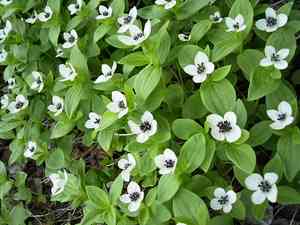
The optimal period for transplanting siberian dogwood is during the increasing warmth of early to mid-spring, leveraging robust development after moving. Choose a location offering full sun to partial shade and damp, adequately draining earth to guarantee siberian dogwood flourishes. Careful manipulation is crucial for successful establishment.
What Preparations are Needed Before Transplanting Siberian Dogwood?
What is the Ideal Time for Transplanting Siberian Dogwood?
The optimal period for relocating siberian dogwood is when spring invigorates the garden, typically early to mid-spring. This timing aligns with siberian dogwood's natural growth cycle, providing a boost as the plant emerges from dormancy. Moving siberian dogwood during this season allows it to establish a robust root system before the summer heat, ensuring vigorous growth and vibrant foliage. It's an excellent step to enhance your garden's texture and color palette just as the growing season begins.
How Much Space Should You Leave Between Siberian Dogwood Plants?
When transplanting your siberian dogwood, ensure it has ample room to expand. Ideally, position each plant approximately 4-6 feet (1.2-1.8 meters) apart. This spacing will guarantee your plants have sufficient area to develop and flourish!
What is the Best Soil Mix for Siberian Dogwood Transplanting?
Your siberian dogwood thrives in well-drained soil. Ideally, mix organic matter or compost into the soil to enhance its texture and fertility. Additionally, apply a balanced fertilizer as a base – it's an excellent start to ensure your siberian dogwood grows vigorously.
Where Should You Relocate Your Siberian Dogwood?
Ensure you select a garden location where your siberian dogwood can receive ample sun or partial shade. It's not particular about light but prefers a spot that gets at least a few hours of sunlight daily.
What Equipments Should You Prepare Before Transplantation Siberian Dogwood?
Bucket
For moving the siberian dogwood plant to its new spot.
Gardening Gloves
To shield your hands while handling soil and the plant.
Shovel/Spade
To excavate the transplantation hole and to extract the siberian dogwood plant from its original site.
Garden Fork
To assist in loosening the soil around the siberian dogwood plant, preventing root damage.
Watering Can/Hose
To hydrate the siberian dogwood plant both prior to and following transplantation.
Mulch
To aid in retaining soil moisture around the siberian dogwood post-transplantation, and to minimize weed competition.
Gardening Trowel
If the siberian dogwood plant is small, this tool will be useful for removing it from its initial location and placing it into the new hole.
How Do You Remove Siberian Dogwood from the Soil?
How Do You Remove Siberian Dogwood from the Soil?
From Ground: First, water the siberian dogwood plant to loosen the surrounding soil. Then, using a shovel or spade, carefully dig around the siberian dogwood plant to keep the entire root system intact. Gently lift the siberian dogwood from the ground, removing as much soil as possible without harming the roots.From Pot: Water the siberian dogwood thoroughly to help separate the root ball from the pot's sides. Invert the pot and gently tap it to release the root ball. If the siberian dogwood resists, run a knife along the pot's rim.From Seedling Tray: Water the seedlings first. Use a gardening trowel or your fingers to carefully lift the siberian dogwood seedlings out, ensuring you handle them by the leaves and not the easily damaged stem.
Step-by-Step Guide for Transplanting Siberian Dogwood
Prepare the Pit
Dig a hole in the chosen location for your siberian dogwood plant. A good guideline is to make the hole twice the width of the root ball.
Place the Plant
Position the siberian dogwood plant into the hole. Ensure it is upright and that the top of its root ball is level with the surrounding soil, to prevent water accumulation around the stem.
Backfill the Hole
Use the excavated soil to refill the hole, gently firming it around the base of the siberian dogwood.
Watering
Thoroughly water the siberian dogwood after planting, ensuring the soil becomes completely saturated.
Mulching
Finally, spread a layer of mulch around the base of the siberian dogwood plant. This will help retain moisture and inhibit weed growth.
How Do You Care For Siberian Dogwood After Transplanting?
Regular Watering
After transplanting, keep the soil around the siberian dogwood consistently moist, ensuring it neither dries out nor becomes waterlogged. This aids in establishing a robust root system.
Protection
Shield the siberian dogwood plant from severe weather conditions, especially strong winds and heavy rains, for the initial few weeks post-transplantation.
General Monitoring
Continuously observe the siberian dogwood plant's growth and regularly check for any signs of disease or pests. Manually remove any visible pests, and if the issue persists, consider using mild, organic pesticides. If disease symptoms appear (such as unusual discoloration or distortion), take a sample to a local nursery or agricultural extension office for diagnosis and treatment advice.
Troubleshooting Common Issues with Siberian Dogwood Transplantation.
When is the best time to transplant my siberian dogwood?
The ideal period for transplanting your siberian dogwood is during the transition between season 1 and season 2.
How far apart should I space my siberian dogwood plants when transplanting?
Maintain a generous distance of 4-6 feet (1.2-1.8 meters) between each plant. This provides your siberian dogwood ample space to grow and thrive.
What should I do to the soil before transplanting my siberian dogwood?
Ensure the soil is well-drained and rich in organic matter. Adding compost can enhance soil fertility, helping your siberian dogwood establish better.
How deep should I dig the hole for my siberian dogwood?
Excavate a hole twice as wide and deep as the root ball. This creates sufficient space for new roots to expand easily.
Why are my transplanted siberian dogwood leaves turning yellow?
Yellow leaves might indicate excessive water or poor drainage. Check the soil's moisture level. If it's overly wet, consider improving drainage.
How often should I water my newly transplanted siberian dogwood?
Water your siberian dogwood generously after transplanting, then regularly, about 1 inch (2.5 cm) per week, depending on rainfall and soil type.
How much sunlight does my siberian dogwood need after transplanting?
Your siberian dogwood prefers partial to full sun. Ensure it receives at least 6 hours of sunlight daily for healthy growth.
Why arenât my transplanted siberian dogwood plants growing?
Stunted growth can result from insufficient sunlight, inadequate water, poor soil conditions, or incorrect planting depth. Carefully examine these factors.
My siberian dogwood has wilted after transplanting, how do I revive it?
Wilted plants may require more water. Keep the soil consistently moist, but avoid waterlogging. A layer of mulch can help retain moisture.
What's the ideal temperature for my newly transplanted siberian dogwood?
Siberian dogwood tolerates a broad range of temperatures. However, conditions between 60 to 75 degrees Fahrenheit (15.5-23.9°C) support optimal growth.



