How to Transplant Coriander?
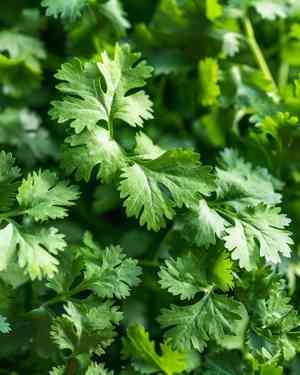
The ideal period for relocating cilantro is in the pleasant mid to late spring, which guarantees peak development. To achieve favorable results, select a bright spot with soil that drains effectively. Bear in mind that careful treatment of the fragile root system is crucial for flourishing cilantro!
What Preparations are Needed Before Transplanting Coriander?
What is the Ideal Time for Transplanting Coriander?
The optimal period to relocate coriander is from mid to late spring, as it establishes effectively in warming soil. Planting coriander during this timeframe encourages robust development and improved yields, ensuring a bountiful and aromatic harvest.
How Much Space Should You Leave Between Coriander Plants?
When transplanting your coriander, position the plants approximately 6-12 inches (15-30 cm) apart. This will provide ample room for growth and ensure they receive sufficient nutrients from the soil.
What is the Best Soil Mix for Coriander Transplanting?
Prepare the soil for your coriander using well-draining, loamy soil. Prior to transplanting, enrich the soil with an organic, balanced slow-release fertilizer, which will supply essential nutrients for vigorous growth.
Where Should You Relocate Your Coriander?
Locate a suitable sunny spot for your coriander in your garden. They thrive in full sunlight, so aim for an area that gets at least 6 hours of direct sun daily. This will ensure your plants develop strong and flavorful.
What Equipments Should You Prepare Before Transplantation Coriander?
Gardening Gloves
To safeguard your hands while handling soil and coriander.
Trowel
A small hand tool useful for digging minor holes, moving seedlings, and careful weeding.
Garden Spade or Shovel
To assist in excavating a hole appropriate for coriander's root system.
Watering Can or Hose with a Gentle Sprayer
To irrigate the coriander during and after the relocation process.
Gardening Fork
This implement is helpful if you're moving coriander from a larger container or the ground, as it aids in loosening the soil around the plant's roots.
Pruning Shears
To trim any damaged roots or foliage, which helps the plant focus on new growth post-transplant.
Organic Mulch
To help maintain moisture and suppress weeds around the coriander after transplanting.
How Do You Remove Coriander from the Soil?
How Do You Remove Coriander from the Soil?
- From Ground:Moisten the coriander plant to dampen the soil, making it easier to extract without harming the roots. Using a garden fork, gently loosen the soil surrounding the plant's root system. Be careful not to damage the roots during this process. Once sufficient space is created, carefully lift the plant from the ground. If necessary, a spade or shovel can assist in lifting the plant.- From Pot:Begin by watering your potted coriander. This facilitates easier removal and minimizes stress on the roots. Turn the pot sideways, hold the plant gently by its base, and tap the bottom of the pot to dislodge the plant. If the plant doesn't slide out, a trowel can be used to carefully guide it out, avoiding root damage.- From Seedling Tray:Water the seedlings first to simplify the removal process. Gently hold the coriander seedling by its leaves (not the stem) and use a spoon or small tool to loosen the soil around the roots. Once the seedling is loose, carefully lift it from the tray.
Step-by-Step Guide for Transplanting Coriander
Preparation
Once your coriander is ready for transplant, prepare the new planting site. Dig a hole twice as wide and as deep as the plant's root system. This provides ample space for root expansion and growth.
Transplanting
Gently place the coriander into the hole. The top of the root system should be level with or slightly below the ground surface. Carefully backfill the hole with soil, ensuring the plant remains upright.
Watering
Water the coriander immediately after transplanting. This helps settle the soil around the roots and initiates hydration. Use a gentle spray to avoid disturbing the soil or the plant.
Mulching
Apply a layer of organic mulch around the base of the coriander, but not touching the stem. This aids in retaining soil moisture and inhibiting weed growth.
How Do You Care For Coriander After Transplanting?
Consistent Care
Coriander requires regular attention post-transplant. Inspect the plant daily for any indications of transplant shock, such as wilting or yellowing foliage.
Watering
While coriander prefers moist soil, it's crucial to avoid overwatering as this can lead to root rot. Adjust irrigation based on weather and soil conditions. The soil should be damp, but not waterlogged.
Pruning
Trim any yellowing or damaged leaves. This helps the plant focus
Troubleshooting Common Issues with Coriander Transplantation.
When should I transplant coriander seedlings?
Relocate coriander seedlings between mid to late spring, when temperatures begin to rise.
What spacing should I use when transplanting coriander?
Space coriander plants 6-12 inches (15-30 cm) apart for optimal growth and adequate air circulation.
What type of soil does coriander prefer?
Coriander thrives in well-draining soil rich in organic matter with a pH level of 6.2-6.8.
Do I need to water coriander plants just after transplanting?
Yes, thoroughly water your coriander plants immediately after transplanting to settle the soil and prevent shock.
How much sunlight do transplanted coriander need?
Ensure coriander plants receive at least 6 hours of full sun daily; they can tolerate some partial shade.
Should I fertilize coriander after transplanting?
Incorporate organic compost or a balanced slow-release fertilizer during transplanting to promote healthy development.
How can I protect coriander from pests?
Utilize organic insecticides or neem oil sprays as needed and maintain proper spacing to deter pests.
Should I remove flowers from transplanted coriander?
Remove flowers to encourage leafy growth and prevent seed production, unless you desire fresh coriander seeds.
What if leaves on my transplanted coriander turn yellow?
Yellow leaves may indicate overwatering or a nutrient deficiency; adjust your watering and fertilization accordingly.
How should I care for coriander during hot summers?
Provide partial shade, keep soil consistently moist, and use mulch to retain moisture and regulate temperature.



