How to Transplant Whorled tickseed?
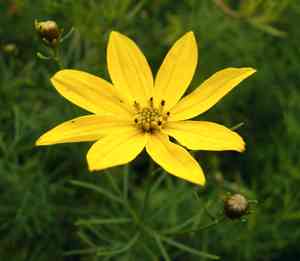
Whorled tickseed flourishes when relocated in the bright period of mid-to-late summer. To achieve peak development, choose a site that offers good drainage and abundant light. During the transfer process, exercise caution due to the plant's fragile root structure.
What Preparations are Needed Before Transplanting Whorled Tickseed?
What is the Ideal Time for Transplanting Whorled Tickseed?
The optimal period for moving whorled tickseed is from mid-summer to early autumn. This timeframe ensures strong establishment due to warm ground temperatures. Relocating whorled tickseed during this season minimizes stress, enhancing its growth potential for a vibrant foliage display. Therefore, plan ahead and prepare your garden for this exciting addition. Remember, a bit of foresight now will yield impressive outcomes later.
How Much Space Should You Leave Between Whorled Tickseed Plants?
To provide your whorled tickseed ample room to develop, position each plant approximately 12-18 inches (30-45 cm) apart. This spacing will guarantee adequate air circulation and foster robust growth for your beautiful garden!
What is the Best Soil Mix for Whorled Tickseed Transplanting?
Prepare a soil mixture for your whorled tickseed that drains well and is rich in organic matter. To improve the soil, incorporate a high-quality, balanced, granular fertilizer or well-rotted compost before planting.
Where Should You Relocate Your Whorled Tickseed?
Select a sunny location in your garden for transplanting your whorled tickseed. They flourish in full sun and will reward you with vivid blooms if they receive 6 or more hours of daily sunlight!
What Equipments Should You Prepare Before Transplantation Whorled Tickseed?
Shovel or Spade
These implements are used for excavating holes to transplant the whorled tickseed. Possessing a sturdy, well-crafted spade or shovel will simplify and streamline the transplanting process.
Garden Hoe
Utilized to level the ground within the transplant hole.
Garden Hose with a Spray Attachment or Watering Can
To thoroughly hydrate the whorled tickseed after its relocation.
Gardening Gloves
To safeguard your hands while handling soil and plants. This also prevents any unforeseen injuries.
Wheelbarrow
This is advantageous for transporting the whorled tickseed from its original spot to the new location, especially if the plant is large.
Organic Mulch
This will assist in retaining ground moisture post-transplanting, which the plant requires for healthy development.
How Do You Remove Whorled Tickseed from the Soil?
How Do You Remove Whorled Tickseed from the Soil?
From Ground: First, water the whorled tickseed plant to moisten the soil. Using a shovel or spade, dig a wide circle around the plant, being careful not to harm the root ball. Once the soil is loose, work the spade beneath the root ball and gently lift the plant from its initial position. Place the plant in a wheelbarrow for easy transport.From Pot: Water the whorled tickseed plant first to dampen the soil, then carefully turn the pot sideways, hold the plant at its base, and gently pull and shake to release it.From Seedling Tray: Begin by watering the tray to moisten the soil. Then, using your fingers or a small tool, carefully ease the seedling out from the bottom. Be extra cautious to avoid damaging the young roots and shoots of the whorled tickseed.
Step-by-Step Guide for Transplanting Whorled Tickseed
Preparation
Start by thoroughly watering the whorled tickseed a few hours prior to transplanting to prevent dehydration during the move and to help keep the root ball intact.
Digging the Hole
Excavate a hole that is twice as wide and as deep as the whorled tickseed's root ball. Use a garden hoe to level the bottom of the hole.
Planting
Position the whorled tickseed in the hole, ensuring it's planted no deeper than its previous depth – you can check this by observing the soil marks on the stem.
Settling in
Backfill the hole with soil, gently firming around the base of the whorled tickseed. Do not compact it too much, as roots require air as well as water.
Watering
Thoroughly and gently water the whorled tickseed using a garden hose with a spray setting or a watering can. This aids in settling the soil around the roots.
Mulching
Spread a layer of organic mulch around the base of the whorled tickseed to conserve moisture and inhibit weed growth.
How Do You Care For Whorled Tickseed After Transplanting?
Watering
Water the whorled tickseed thoroughly immediately after transplanting, and continue consistent watering until it establishes. Afterward, follow the watering routine appropriate for mature whorled tickseed plants.
Pruning
Trim back any damaged or excessively large stems to encourage robust new growth and to reduce the strain on the developing root system.
Monitoring
Regularly inspect the whorled tickseed for any indications of transplant shock, such as wilting, yellowing leaves, or slowed development. Prompt action can save a plant that reacts poorly to transplanting.
Mulching
Mulch should be replenished periodically to maintain its benefits. Avoid piling mulch against the stem of the whorled tickseed to prevent potential rot.
Troubleshooting Common Issues with Whorled Tickseed Transplantation.
What is the best time of year to transplant whorled tickseed?
Whorled tickseed prefers to be moved during the peak of mid-to-late summer, allowing it ample time to establish roots before colder weather arrives.
What is the ideal spacing when transplanting whorled tickseed?
Ensure a generous space, approximately 12-18 inches (30-45 cm), between each whorled tickseed to allow the plant to flourish and spread freely.
Which type of soil best suits whorled tickseed during transplantation?
Whorled tickseed thrives in well-drained soil. Excessively wet soil can lead to root rot, which could jeopardize the plant's health.
How often should I water whorled tickseed after transplanting?
Keep the soil moist but not waterlogged. Overwatering might cause root rot. Watering needs may vary with weather, so observe carefully.
How deep should I plant the whorled tickseed when transplanting?
Plant whorled tickseed in a hole so the top of the root ball is level with or slightly above the ground. This ensures the roots can breathe and grow properly.
What's the best position for planting whorled tickseed?
Whorled tickseed enjoys full sun exposure for most of the day. Planting in a shaded area may result in less vigorous growth and fewer flowers.
Should I fertilize whorled tickseed after transplanting?
Whorled tickseed does not require frequent fertilization. However, a light application of a slow-release granular fertilizer after transplanting can promote healthier growth.
Should I prune whorled tickseed after transplanting?
Pruning immediately after transplantation is not necessary, but you may lightly trim the whorled tickseed in the following spring to encourage bushier growth.
Can whorled tickseed be transplanted in a container?
Absolutely! Ensure the container is sufficiently large to accommodate the whorled tickseed's growth, with good drainage. Remember to adjust watering as containers can dry out more quickly.
Do I need to mulch whorled tickseed after transplanting?
While not essential, applying a layer of mulch around your whorled tickseed can help retain moisture, regulate soil temperature, and suppress weeds.



