How to Transplant Cabbage tree?
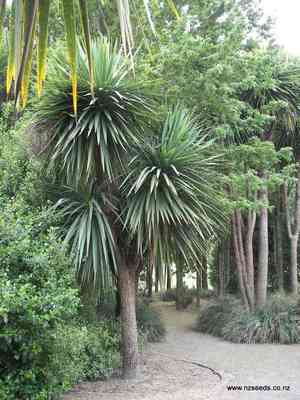
The optimal period for relocating cabbage tree spans from the beginning to the end of spring, enabling the plant to adjust to its new environment. Select a spot featuring soil that drains effectively, and receives partial sunlight to dappled shade. Should it be necessary, shield juvenile plants from strong gusts for a successful transition. Enjoy your gardening endeavors!
What Preparations are Needed Before Transplanting Cabbage Tree?
What is the Ideal Time for Transplanting Cabbage Tree?
The best time to move cabbage tree is from early to late spring. This period offers stable temperatures and adequate soil moisture, which are crucial for cabbage tree to recover and grow after being relocated. Transplanting during this season minimizes stress on cabbage tree, allowing it to quickly adapt to its new environment. This approach increases the likelihood of success and helps maintain a thriving garden without unexpected issues.
How Much Space Should You Leave Between Cabbage Tree Plants?
When relocating cabbage tree, it's advisable to position them 3-5 ft (0.9-1.5 m) apart. This spacing provides ample room for their development and the expansion of their attractive foliage.
What is the Best Soil Mix for Cabbage Tree Transplanting?
For cabbage tree, select soil that drains well and incorporate a slow-release granular fertilizer to provide nutrients. A mixture of loam or sandy loam with some organic material is highly suitable for these plants.
Where Should You Relocate Your Cabbage Tree?
Choose a site for cabbage tree that receives full sun to partial shade. They flourish in bright sunlight but can also do well in filtered light, making them adaptable additions to any garden.
What Equipments Should You Prepare Before Transplantation Cabbage Tree?
Gardening Gloves
To safeguard your hands while handling soil and plants.
Shovel or Spade
Necessary for excavating the planting hole for cabbage tree and extracting the plant from its original spot.
Garden Trowel
For precise digging and carefully lifting the plant without harming its root system.
Watering Can
To hydrate the cabbage tree plant both before removal from its initial container and after replanting.
Plant Marker or Tags
To identify cabbage tree and keep records of its type and transplant date.
Gardening Fork
To aerate the soil.
How Do You Remove Cabbage Tree from the Soil?
How Do You Remove Cabbage Tree from the Soil?
From Ground: First, thoroughly water the cabbage tree plant. Once the soil is pliable, carefully dig around the plant with a shovel or spade, ensuring the surrounding root ball remains intact. Avoid cutting into the plant's roots during excavation. After creating sufficient space, work the spade beneath the root ball and lift it out.From Pot: Water the pot thoroughly, then tip it on its side and gently slide the cabbage tree out. If it resists, you might need to carefully break the pot to free the plant.From Seedling Tray: Seedlings are delicate; use a dibber (or pencil) to gently ease them from the tray. Lift them safely by grasping the leaves to prevent root damage.
Step-by-Step Guide for Transplanting Cabbage Tree
Identifying the Root Ball
Begin by measuring the width and depth of the cabbage tree's root ball to determine the size of the hole required.
Digging the Hole
Excavate a hole in the chosen location. Ensure the hole is twice as wide and as deep as the root ball.
Placing the Plant
Gently position the plant into the hole, making sure it's planted at the same depth it was previously growing. The top of the root ball should be level with or slightly above the surrounding soil to allow for settling.
Filling In
Backfill the hole with the same soil that was removed, gently firming it around the root ball. Avoid compacting the soil too much, as this can hinder water penetration.
Watering
Water the newly transplanted plant thoroughly, ensuring the moisture reaches the root zone. Adequate hydration is crucial for the plant to establish itself in its new spot.
How Do You Care For Cabbage Tree After Transplanting?
Regular Observation
Inspect cabbage tree daily in the weeks following transplantation to check for signs of transplant shock, such as yellowing leaves or wilting.
Pruning
Remove any dead or dying leaves from cabbage tree to redirect its energy towards new growth.
Weeding
Keep the area around the base of cabbage tree free of weeds. Weeds can compete with cabbage tree for essential nutrients and water.
Mulching
Cover the soil around cabbage tree with a layer of mulch to help retain soil moisture and protect the roots.
Troubleshooting Common Issues with Cabbage Tree Transplantation.
When is the optimal time to transplant cabbage tree?
Plan to move your cabbage tree during the transition from winter to summer, ideally from early to late spring. This allows the plant enough time to establish roots before hot weather.
What is the recommended spacing for cabbage tree transplants?
Adequate spacing is essential for robust growth. Considering cabbage tree's size, place each plant about 3 to 5 feet (approximately 1 to 1.5 meters) apart.
How deep should the hole be for transplanting cabbage tree?
Dig a hole twice as wide and as deep as the root ball of the cabbage tree. This provides sufficient space for the roots to spread and grow.
How often should I water cabbage tree after transplanting?
Initially, water the cabbage tree daily for the first week or two after transplanting. After that, taper off to once a week. Just make sure the soil stays moderately moist.
What kind of soil is best for transplanting cabbage tree?
Cabbage tree thrives in well-draining soil. If your garden has heavy clay or sandy soil, amend it with compost or organic matter to improve its texture and fertility.
Can cabbage tree be transplanted in a pot?
Certainly, cabbage tree can grow in pots as well. Choose a container about twice the size of the root ball, and ensure it has drainage holes to prevent water stagnation.
How can I ensure successful transplantation of cabbage tree?
Keep the root ball of cabbage tree intact during transplantation. This would reduce stress on the plant and increase its odds of survival and successful establishment.
What's the role of mulching in cabbage tree transplantation?
Mulching around cabbage tree helps retain soil moisture and suppress weeds. Apply a 2-3 inches (5-7.5 cm) layer of mulch around the base, but avoid piling it against the stem.
Does cabbage tree need pruning after transplanting?
Light pruning right after transplanting can minimize stress on the cabbage tree. It reduces the amount of foliage the roots need to supply with water and nutrients.
How to deal with transplant shock in cabbage tree?
Transplant shock can be minimized by watering adequately, applying a slow-release fertilizer, and situating the cabbage tree in a location that matches its sunlight needs. Patience is key!



