How to Transplant Mexican olive?
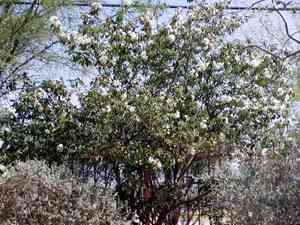
For Mexican olive, the ideal time for relocation is from the end of spring to the beginning of summer, as consistent warmth aids in root development. Select a bright location featuring soil that drains effectively. Should transplant stress be a worry, a slow adjustment process can prove advantageous.
Essential Preparations Before Relocating Mexican Olive
Optimal Period for Mexican Olive Relocation?
The best time for moving mexican olive is from mid to late spring or early summer. This timeframe offers mild weather, allowing mexican olive to establish roots before intense summer heat. Transplanting during these months encourages strong development, ensures better adaptation to the new site, and gives mexican olive ample time to settle before winter. The moderate temperatures and increasing daylight hours during this season aid in the root growth of mexican olive, laying a solid foundation for a flourishing plant. It's a strategic choice to leverage favorable conditions that boost mexican olive's chances of success. Remember, careful attention during this crucial growth stage can lead to a more robust and thriving mexican olive.
Required Spacing Between Mexican Olive Plants?
To provide mexican olive sufficient room for development, position them approximately 20-25 feet (6-7.6 meters) apart. This spacing allows each plant to thrive without competing for resources – perfect for your green sanctuary!
Ideal Soil Mixture for Mexican Olive Transplanting?
For mexican olive, you'll need soil that drains well. Incorporate compost or aged manure as a foundational fertilizer to enrich the soil. This boosts nutrient levels and optimizes plant growth – critically important for a healthy mexican olive!
Where to Replant Your Mexican Olive?
Select a spot for mexican olive that receives abundant sunlight, as it flourishes best in full sun. A sunny location ensures that mexican olive will be as vibrant and healthy as possible. Happy planting!
Tools Required Before Transplanting Mexican Olive
Gardening Gloves
To protect your hands from soil and during handling of the mexican olive.
Trowel
To carefully extract the plant from its current spot without harming the root system.
Spade or Shovel
To prepare the new planting hole.
Gardening Pruners
If necessary, to trim any damaged roots or branches.
Watering Can
To hydrate the mexican olive before and after relocation.
Garden Cart or Wheelbarrow
For moving the mexican olive from its original spot to the new planting site.
How to Extract Mexican Olive from the Ground?
How to Extract Mexican Olive from the Ground?
From Ground: Begin by thoroughly watering the mexican olive to moisten the soil, making excavation easier. Next, carefully dig a wide circle around the mexican olive using a spade or trowel, taking care to avoid damaging the root ball. Gently lift the mexican olive from its initial location by sliding your tool beneath the root ball and lifting with caution.From Pot: Watering the mexican olive prior to removal will help keep the root ball intact. Turn the pot on its side, then with a gentle slide or tap, release the mexican olive from its container, being very careful not to harm the roots. If the plant doesn't slide out easily, you might need to loosen the soil by running a trowel along the pot's interior.From Seedling Tray: First, invert the tray while supporting the mexican olive and its root ball with your other hand. Tap gently to dislodge the seedling. Ensure you handle the seedling only by its leaves to prevent damage to the delicate stem and roots.
Step-by-Step Guide for Relocating Mexican Olive
Preparation
Once you've removed the mexican olive from its previous spot, inspect the root ball for any damaged roots. Trim these with garden pruners.
Hole preparation
Dig a hole twice as wide and deep as the root ball using a spade or shovel. The dimensions should accommodate the roots without them being crushed or bent.
Transplanting
Position the mexican olive in the prepared hole, ensuring the top of the root ball is level with the soil surface. Backfill the soil, gently firming it around the roots.
Watering
After the mexican olive is planted, water it thoroughly using the watering can. This also aids in settling the soil around the roots.
Monitoring
Observe the mexican olive for a few days to confirm it's adjusting well to its new environment.
Post-Transplant Care for Mexican Olive
Observation
Pay close attention to your mexican olive after relocation. It's normal for the plant to exhibit some signs of transplant shock, such as wilting or leaf drop, but these should resolve with proper care.
Protection
If frost or heavy rain is predicted, consider providing temporary cover to shield the newly transplanted mexican olive.
Pruning
Avoid significant pruning for the first year after transplanting to allow the mexican olive to focus on developing a strong root system.
Detection
Be vigilant for pests and diseases. Act quickly if you notice any signs of infection.
Addressing Common Issues with Mexican Olive Transplantation.
When is the best time to transplant mexican olive?
The optimal period to transplant mexican olive is during its second to fourth growing seasons for ideal root development.
What spacing is needed between my mexican olive plants when transplanting?
For mexican olive, it's crucial to maintain ample spacing of approximately 20-25 feet (6-7.6 meters). This ensures each plant receives sufficient sunlight and air circulation.
What should I do if my mexican olive is wilting after being transplanted?
Wilting often indicates transplant shock. Keep the soil moderately moist, avoid both over and under-watering, and protect it from extreme weather for a few days.
How deep should I plant mexican olive in the new hole?
Plant mexican olive at the same depth it was previously growing. Burying it too deep can stress the plant and hinder growth.
Why are the leaves of my newly transplanted mexican olive turning yellow?
Yellow leaves can result from over-watering or nutrient deficiency. Check the soil's moisture level and adjust your watering routine. Consider a soil test if necessary.
How should I prepare the soil before transplanting mexican olive?
Mexican olive prefers well-draining, slightly alkaline soil. Incorporate organic matter like compost to enrich the soil, and perform a soil pH test to ensure it's within the optimal range (6.5 - 7.5).
What to do if my mexican olive shows no new growth post-transplant?
Patience is key. Mexican olive may require time to recover from transplant stress. Simply maintain proper watering and care, and new growth should emerge within a few weeks.
Should I prune my mexican olive before or after transplanting?
Trimming heavily before transplanting mexican olive can reduce its water needs, facilitating a smoother transition. Perform minor shaping post-transplant once new growth appears.
What type of container is best for transplanting mexican olive?
Any container large enough to accommodate the mature size of mexican olive is suitable. It should have ample drainage holes to prevent waterlogging and promote root health.
How often should mexican olive be watered after being transplanted?
Water thoroughly immediately after transplanting, then aim to keep the soil consistently moist. However, mexican olive is somewhat drought-tolerant, so avoid over-watering to prevent root rot.



