How to Transplant Blue mistflower?
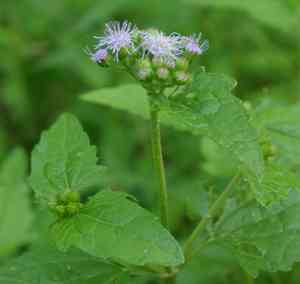
The optimal period for relocating blue mistflower is mid-spring, as increasing warmth and moderate precipitation facilitate root development and expansion. Choose a location offering partial to complete sunlight and damp earth. If feasible, preserve the soil's texture to simplify its adaptation.
What Preparations are Needed Before Transplanting Blue Mistflower?
What is the Ideal Time for Transplanting Blue Mistflower?
The perfect time for moving blue mistflower is during late spring. This timing allows blue mistflower to settle in before the summer heat. Relocating blue mistflower in this season takes advantage of the mild temperatures and gentle spring rains, preparing blue mistflower for strong growth. Transplanting during this phase ensures blue mistflower will have plenty of time to develop strong root systems, leading to a healthier, more vibrant display of blooms in the coming months.
How Much Space Should You Leave Between Blue Mistflower Plants?
For blue mistflower, ensure proper spacing. Ideally, these plants require about 1.5-2 feet (45-60 cm) of room between them. This extra space helps them grow correctly, without competing for nutrients and sunlight. So, avoid crowding them; let them have space to thrive!
What is the Best Soil Mix for Blue Mistflower Transplanting?
For blue mistflower, soil and nutrients are crucial. Prepare the ground with well-drained, loamy soil. A small amount of organic compost or aged manure provides an excellent initial fertilizer. By providing nourishment from the start, we set our plants up for a flourishing life!
Where Should You Relocate Your Blue Mistflower?
For blue mistflower, a sunny to partially shaded spot in your garden is ideal. Around 6 to 8 hours of daily sunlight is perfect. So, find that sunny corner or one with a bit of shade! Remember, everything needs a good balance, even our green companions.
What Equipments Should You Prepare Before Transplantation Blue Mistflower?
Gardening Gloves
To safeguard your hands while working in the soil and handling the blue mistflower plant.
Hand Trowel
To excavate a hole for the blue mistflower plant and incorporate compost if needed.
Spade or Shovel
For larger plants or extracting your blue mistflower from ground locations, these bigger tools might be necessary.
Watering Can or Hose
For hydrating the blue mistflower during the relocation process.
Compost
To supply nutrients to the blue mistflower and encourage its growth after transplantation.
How Do You Remove Blue Mistflower from the Soil?
How Do You Remove Blue Mistflower from the Soil?
From Ground: First, water the blue mistflower plant to moisten the soil. This facilitates easier removal. Dig a wide circle around the blue mistflower using a shovel or spade, ensuring the root ball remains intact. Carefully work the shovel beneath the root ball to lift the blue mistflower from its spot.From Pot: Water the blue mistflower to loosen the soil. Turn the pot sideways, hold the blue mistflower near its base, and gently pull. If the blue mistflower is stuck, tap the pot's sides to free it.From Seedling Tray: Moisten the soil and gently pull the blue mistflower by grasping its leaves, not the stem. A small tool like a spoon can assist in lifting seedlings without causing damage.
Step-by-Step Guide for Transplanting Blue Mistflower
Digging the Hole
Excavate a hole that is twice the width and the same depth as the blue mistflower's root ball.
Placing the Plant
Position the blue mistflower in the center of the hole, ensuring the top of the root ball is level with the ground.
Refilling the hole
Backfill the hole, firming the soil around the blue mistflower's base. Avoid covering the stem or leaves.
Watering
Water the blue mistflower generously immediately after transplantation, making sure the soil is damp but not waterlogged.
Mulching
Apply a layer of organic material around the blue mistflower's base. This will help retain soil moisture.
How Do You Care For Blue Mistflower After Transplanting?
Watering
Typically, blue mistflower should be watered once the topsoil begins to dry. Avoid overwatering, as it can lead to root rot.
Pruning
Trim the blue mistflower plant if necessary. This helps direct energy towards root development rather than leaf production.
Monitoring
Watch for signs of shock, such as wilting or yellowing leaves. If these symptoms appear, reduce sunlight exposure and ensure blue mistflower receives adequate water.
Pest Control
Regularly inspect blue mistflower for any indications of pest infestation. Consider using organic pest control methods if needed.
Troubleshooting Common Issues with Blue Mistflower Transplantation.
When is the ideal time to transplant blue mistflower?
The perfect time to transplant blue mistflower is from late spring to mid-summer, allowing the plant ample time to establish before winter.
What spacing should I consider when transplanting blue mistflower?
Maintain a spacing of approximately 1.5-2 feet (45-60 cm). This provides each blue mistflower sufficient room for growth and air circulation.
Why are my transplanted blue mistflower wilting?
Wilting can occur due to transplant shock. Ensure you water blue mistflower thoroughly after transplanting, initially avoid excessive sunlight, and check for proper soil drainage.
What is the optimal soil condition for transplanting blue mistflower?
Blue mistflower prefers well-drained, fertile soil. It tolerates various soil conditions, truly flourishing in those rich in organic matter.
What measures can I take to avoid transplant shock in blue mistflower?
Gradually acclimate blue mistflower to its new location, keep the soil moist but not saturated, and avoid full sunlight exposure until the plant recovers.
My transplanted blue mistflower is showing yellow leaves, why?
Yellow leaves can indicate overwatering. Ensure your blue mistflower is in well-drained soil and not sitting in water. Reduce watering if necessary.
How deep should I dig the hole when transplanting blue mistflower?
Dig a hole twice as wide as the container and as deep as its height. This provides ample space for blue mistflower's root system to spread.
How often should I water blue mistflower after transplanting?
Water blue mistflower immediately after transplanting, keeping the soil moist for the first few weeks. Adjust based on weather; less during cool, cloudy days and more during warm, sunny days.
Should I fertilize blue mistflower after transplanting?
Allow blue mistflower to establish before fertilizing. Wait about 3-4 weeks, then use a balanced general-purpose fertilizer according to package instructions.
What should I consider when choosing a location for transplanting blue mistflower?
Blue mistflower, with its attractive flowers, is ideal for borders or native gardens. It thrives in full sun to partial shade and requires good air circulation.



