How to Transplant Eastern hemlockparsley?
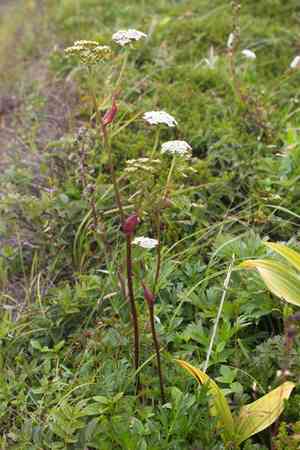
For an excellent beginning for eastern hemlockparsley, relocate it from the start to the middle of spring, a period of robust development. Choose a shaded spot featuring damp, adequately draining earth. A delicate approach guarantees these enduring plants flourish post-transplant.
What Preparations are Needed Before Transplanting Eastern Hemlockparsley?
What is the Ideal Time for Transplanting Eastern Hemlockparsley?
The optimal transplanting period for eastern hemlockparsley extends from the revitalizing embrace of early spring through the onset of summer's warmth. This timeframe, characterized by mild temperatures and renewed vitality, offers an ideal opportunity for eastern hemlockparsley roots to establish themselves in their new location prior to the arrival of summer heat. Transplanting during this season leverages consistent moisture levels, which are crucial for eastern hemlockparsley to adapt and flourish. By selecting this transplanting window, you provide eastern hemlockparsley with the best chance for robust growth, ensuring a smooth transition into its new environment.
How Much Space Should You Leave Between Eastern Hemlockparsley Plants?
When selecting a site for your lovely eastern hemlockparsley, remember they appreciate ample room. Aim to position them approximately 18-24 inches (45-61 cm) apart. This spacing will provide eastern hemlockparsley with sufficient area for air circulation and development.
What is the Best Soil Mix for Eastern Hemlockparsley Transplanting?
For your eastern hemlockparsley, a strong beginning is essential! Prepare the soil by ensuring it is fertile and drains effectively. A loamy soil that is slightly acidic to neutral will be most beneficial. Before planting, enrich the bed with compost and a balanced, slow-release fertilizer to nourish them as they mature.
Where Should You Relocate Your Eastern Hemlockparsley?
Your eastern hemlockparsley will thrive in a location offering partial to full shade. They do not tolerate intense sun, so find a spot that mimics their natural woodland habitat. An area with dappled sunlight or shade for the majority of the day would be absolutely perfect!
What Equipments Should You Prepare Before Transplantation Eastern Hemlockparsley?
Gardening Gloves
To safeguard your hands while handling soil and the plant.
Shovel or Spade
For excavating and relocating eastern hemlockparsley into the ground.
Watering Can or Hose
To hydrate eastern hemlockparsley before extraction and after planting.
Pruning Shears
To trim any dead or overgrown parts of the plant.
Wheelbarrow or Garden Cart
For moving eastern hemlockparsley and soil, if necessary.
Measuring Tape
To maintain appropriate distances between plants.
Mulch
To help retain soil moisture and suppress weeds around eastern hemlockparsley.
Stake or Plant Support
To offer stability to eastern hemlockparsley in its new spot if required.
How Do You Remove Eastern Hemlockparsley from the Soil?
How Do You Remove Eastern Hemlockparsley from the Soil?
From Ground: First, water eastern hemlockparsley to moisten the soil, facilitating easier plant removal. Dig a wide perimeter around eastern hemlockparsley to avoid damaging the root system. Use a shovel or spade to gently lift the plant, preserving as much of the root ball as possible.From Pot: Water eastern hemlockparsley thoroughly beforehand. Tilt the pot sideways and gently tap to loosen the plant. Hold the base of eastern hemlockparsley and carefully pull, shaking off excess soil while protecting the roots.From Seedling Tray: Water the seedling tray to soften the growing medium. Use a small implement, such as a spoon or dibber, to carefully extract individual seedlings without harming their roots. Handle eastern hemlockparsley with care to prevent shock.
Step-by-Step Guide for Transplanting Eastern Hemlockparsley
Preparation
Ensure the new planting site for eastern hemlockparsley is ready for transplantation.
Plant Removal
Execute the removal procedure specific to your eastern hemlockparsley's current location as previously detailed.
Prepare eastern hemlockparsley
Gently remove any dead foliage or branches and inspect the root ball.
Digging the Hole
The excavation should be twice the width of the root ball and of equal depth to allow roots to spread easily.
Placing eastern hemlockparsley
Position eastern hemlockparsley into the hole at the same depth it was previously growing. Backfill with soil and gently firm around the base without overly compacting the soil.
Stability
If eastern hemlockparsley is tall or top-heavy, use a stake for support and loosely secure the plant with soft plant ties.
Watering
Water eastern hemlockparsley generously after planting to settle the soil around the roots and eliminate air pockets.
Mulching
Apply a layer of mulch around eastern hemlockparsley to conserve moisture, taking care to keep it away from the plant's stem to prevent rot.
How Do You Care For Eastern Hemlockparsley After Transplanting?
Monitoring
Observe eastern hemlockparsley for indications of transplant shock and adjust care as necessary.
Staking
Regularly check stakes to ensure they are secure but not constricting eastern hemlockparsley or hindering growth.
Feeding
Once eastern hemlockparsley shows signs of new growth, a mild liquid fertilizer can be applied to encourage establishment.
Pruning
Remove any dead or damaged growth to maintain eastern hemlockparsley's form and promote a robust structure.
Troubleshooting Common Issues with Eastern Hemlockparsley Transplantation.
What's the best time to transplant eastern hemlockparsley?
The optimal period is early to late spring, maximizing growth potential in the milder weather.
How far apart should I space eastern hemlockparsley when transplanting?
Aim for a spacing of 18-24 inches (45-60 cm) to provide eastern hemlockparsley with adequate room for growth.
Why are my newly transplanted eastern hemlockparsley's leaves wilting?
Wilting can be a sign of shock. Ensure careful handling, sufficient watering, and protection from harsh conditions.
How deep should the planting hole be for eastern hemlockparsley?
Dig a hole twice as wide and just as deep as the root ball to comfortably accommodate eastern hemlockparsley.
Can I use fertilizer when transplanting eastern hemlockparsley?
It's best to avoid strong fertilizers. Use compost or a gentle starter solution to encourage growth.
What should I do if eastern hemlockparsley doesn't seem to be thriving post-transplant?
Check soil moisture, sun exposure, and for pests. Adjust care as needed, and patience is crucial.
How often should I water eastern hemlockparsley after transplanting?
Water deeply immediately after transplanting, then maintain consistent moisture, especially during dry periods, without overwatering.
What type of soil is best for transplanting eastern hemlockparsley?
Well-draining soil rich in organic matter provides an ideal environment for eastern hemlockparsley's roots.
How can I protect eastern hemlockparsley from transplant shock?
Minimize root disturbance, water adequately, and provide shade if there's extreme heat after transplanting.
Is it okay to trim eastern hemlockparsley when transplanting?
Light pruning of damaged or excessive growth can help eastern hemlockparsley direct energy towards root establishment.



