How to Transplant Carolina coralbead?
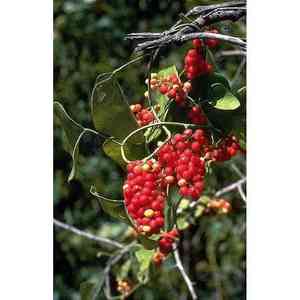
The optimal period for relocating carolina coralbead is mid-spring, providing a combination of moderate warmth and robust development. Select a location with filtered sunlight; periodically impart some transplant advice to help roots establish comfortably in their new environment.
What Preparations are Needed Before Transplanting Carolina Coralbead?
What is the Ideal Time for Transplanting Carolina Coralbead?
The optimal period for relocating carolina coralbead is during the core of spring or when the warmth of late spring arrives. Planting at this time promotes robust root development prior to the summer heat. Moving carolina coralbead during this phase allows it to benefit from favorable growing conditions, leading to vigorous growth and improved resilience. A friendly reminder: this timely relocation ultimately results in a healthier and more vibrant carolina coralbead display!
How Much Space Should You Leave Between Carolina Coralbead Plants?
When moving carolina coralbead, you'll need to provide each plant with sufficient room to expand and thrive. Aim for a separation of approximately 15-20 feet (4.5-6 meters) between them. This will ensure proper development and prevent overcrowding while encouraging healthy growth.
What is the Best Soil Mix for Carolina Coralbead Transplanting?
Before relocating, prepare a soil mixture that drains well. Carolina coralbead prefers soil that is slightly acidic to neutral. As a base, use a combination of loam and sand. Be sure to mix in some slow-release, balanced fertilizer. This setup will encourage healthy root growth.
Where Should You Relocate Your Carolina Coralbead?
Choose a spot where carolina coralbead will receive full sun to partial shade. Remember, excessive sun can harm the plant, so it's better to select a sunny location with some afternoon shade. This can protect carolina coralbead from being scorched by the most intense midday heat.
What Equipments Should You Prepare Before Transplantation Carolina Coralbead?
Gardening Gloves
To shield your hands from dirt and potential irritants.
Shovel or Spade
Used for excavating the root ball of the carolina coralbead from its original spot, or digging the hole in the new location.
Garden Trowel
For removing carolina coralbead from a seedling tray or pot efficiently without harming its roots.
Watering Can
To keep the carolina coralbead hydrated before, during, and after the relocation process.
Wheelbarrow or Tray
For easy movement of the carolina coralbead from its initial position to the new transplant site.
Pruning Shears
To trim any damaged or dead parts from the carolina coralbead before the transplanting process begins.
Organic Matter or Compost
To enrich the planting hole and supply nutrients to the carolina coralbead after it's moved.
How Do You Remove Carolina Coralbead from the Soil?
How Do You Remove Carolina Coralbead from the Soil?
From Ground: Initially, water the carolina coralbead to moisten the soil, which aids in easier removal. Take your shovel or spade and dig a wide trench around the plant, ensuring the root ball of carolina coralbead remains intact. Carefully work the spade beneath the root ball and gently lift the plant out of its original location.From Pot: First, water the carolina coralbead plant in its container. Invert the pot while keeping one hand on the soil surface, cradling the plant stem between your fingers for support as the plant slides out. Gently separate the roots if they are tangled.From Seedling Tray: Water the tray, ensuring the soil is damp. With a garden trowel, carefully scoop out the carolina coralbead seedling, taking care not to break the young rootball. Handle the seedling by its leaves rather than the stem to prevent damage.
Step-by-Step Guide for Transplanting Carolina Coralbead
Digging
Start by digging a hole in the prepared area that is deep and wide enough to comfortably accommodate the root ball of carolina coralbead.
Preparing the Hole
Add a layer of organic matter or compost to the bottom of the hole; this will provide the carolina coralbead with essential nutrients as it begins to establish in its new location.
Placing the Plant
Carefully place the carolina coralbead into the hole, ensuring it sits at the same depth as it was in its original spot. The top of the root ball should be level with the surrounding soil.
Filling the Hole
Backfill the hole, gently firming the soil around the root ball of carolina coralbead. Be careful not to bury the plant's stem or leaves within the soil.
Watering
Water the plant thoroughly after transplanting. Use a watering can to gently spray water, ensuring the soil settles around the root ball and eliminates any air pockets.
How Do You Care For Carolina Coralbead After Transplanting?
Initial Watering
Ensure to water the carolina coralbead immediately after transplanting. This helps in settling the soil around the roots and minimizing transplant shock.
Consistent Care
For the first few weeks post-transplant, closely observe the carolina coralbead. Monitor its hydration needs, ensuring the soil remains consistently moist, but not waterlogged.
Pruning
Keep an eye on the carolina coralbead for any indications of stress or disease. Dead, diseased, or broken branches should be trimmed off to prevent further harm to the plant.
Monitoring Growth
Look for new growth as a sign that your carolina coralbead is successfully adapting to its new environment. This typically indicates that the plant’s root system is establishing well in its new location.
Troubleshooting Common Issues with Carolina Coralbead Transplantation.
What is the optimal time for transplanting carolina coralbead?
The best period to relocate carolina coralbead is during times of minimal growth, specifically between late summer and early autumn (S2-S3).
How much space is needed when transplanting carolina coralbead?
Ensure to leave between 15-20 feet (4.5-6 meters) of space in each direction when transplanting carolina coralbead to promote healthy growth.
How deep should the hole be for transplanting carolina coralbead?
The hole should be twice as wide and slightly deeper than the root ball. This gives carolina coralbead's roots room to spread and grow.
What type of soil is best for carolina coralbead?
Carolina coralbead prefers well-drained soil. Enrich the planting hole with organic matter for nourishment if the existing soil is clay or sandy.
How much water is needed after transplanting carolina coralbead?
Water carolina coralbead thoroughly immediately after transplanting. Continue to water regularly during the first few weeks, keeping the soil consistently moist.
What should I do if carolina coralbead shows signs of transplant shock?
If carolina coralbead displays wilted leaves or slow growth post-transplant, ensure the plant is receiving enough water and consider applying a root-stimulating fertilizer.
How should I handle carolina coralbead's roots when transplanting?
Avoid disturbing carolina coralbead's roots during transplanting. Gently loosen them if they're root-bound, taking care not to damage the root system.
Can carolina coralbead be transplanted under direct sunlight?
Carolina coralbead can handle full sun to partial shade. However, in areas with intense summer heat, it's better to choose a location with afternoon shade.
What kind of care does carolina coralbead need post-transplantation?
After transplant, carolina coralbead requires regular watering as it establishes. Monitor the plant for pests or diseases, and mulch around its base to retain moisture.
Is staking necessary when transplanting carolina coralbead?
If carolina coralbead is mature or tall, staking may be necessary after transplanting to keep the plant upright until it establishes new roots and stands firm.



