How to Transplant Tropical bull nettle?
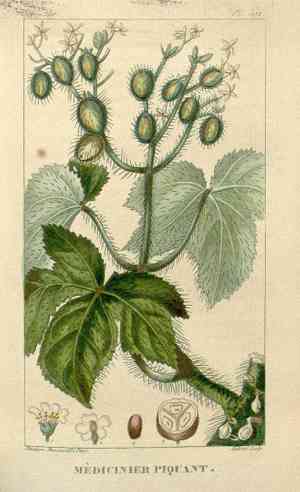
The ideal period for transplanting tropical bull nettle spans from the warmth of late spring through mid-summer, facilitating a beneficial establishment phase. Select a brightly lit spot featuring soil that drains effectively. Careful manipulation is essential given its delicate characteristics.
Essential Preparations Before Moving Tropical Bull Nettle
Optimal Period for Relocating Tropical Bull Nettle?
The prime window for moving tropical bull nettle is typically during the peak of its growth cycle, spanning from late spring to mid-summer. This timeframe provides tropical bull nettle with a combination of warm earth and sufficient time to settle in prior to colder periods, fostering a more vigorous plant. Placing tropical bull nettle into their new spots during this phase guarantees a smooth transition, as the mild temperatures and consistent sunlight create an ideal nurturing setting for root development. Furthermore, initiating tropical bull nettle's journey at this point can enhance its resistance to pests and diseases, paving the way for a flourishing display year after year.
Recommended Spacing Between Tropical Bull Nettle Plants?
When relocating your tropical bull nettle, allow ample room for growth! Position them 24-36 inches (61-91 cm) apart. This provides each plant sufficient space to expand without crowding, ensuring proper air circulation and minimizing nutrient competition.
Ideal Soil Blend for Tropical Bull Nettle Relocation?
Your tropical bull nettle will thrive in well-draining soil enriched with a balanced, slow-release fertilizer. Incorporate some organic compost to enrich the soil base before planting to give your tropical bull nettle an excellent start!
Preferred Location for Your Tropical Bull Nettle?
Select a sunny spot for your tropical bull nettle, as they flourish in full sunlight. Choose an area that receives at least six hours of direct sunlight daily, to ensure your tropical bull nettle obtains the energy it requires to grow robust and healthy.
Tools Required Before Moving Tropical Bull Nettle
Gardening Gloves
To safeguard your hands from the stinging hairs of tropical bull nettle.
Shovel or Spade
To excavate around and lift the plant without harming its root system.
Watering Can or Hose
To pre-moisten the soil before relocation and for post-transplant care.
Wheelbarrow or Garden Cart
To transport the excavated plant to its new site.
Trowel
For refining the planting hole or working soil around the roots.
How to Extract Tropical Bull Nettle from the Ground?
How to Extract Tropical Bull Nettle from the Ground?
From Ground: Pre-water tropical bull nettle to facilitate soil removal. Dig a wide perimeter with a shovel, and gently lift the root ball.From Pot: Tilt the container sideways and tap the base. Support tropical bull nettle by its root ball and carefully slide the plant out.From Seedling Tray: Press the tray cell from below and cradle the seedling by its leaves, gently pulling it free.
Detailed Guide for Relocating Tropical Bull Nettle
Relocation Timing
Move tropical bull nettle during its dormant phase or early in the growing season to reduce stress.
Preparing the New Site
Dig a hole that comfortably accommodates the root ball of tropical bull nettle.
Root Preparation
Examine the root system, trimming any dead or damaged roots.
Plant Positioning
Place tropical bull nettle in the center of the hole, ensuring the top of the root ball is level with the ground surface.
Soil Refill
Gently backfill the hole around tropical bull nettle, avoiding compaction to allow for root expansion.
Initial Watering
Saturate the soil around tropical bull nettle to settle it and eliminate air pockets.
Support Structures
If necessary, install support stakes to stabilize tropical bull nettle until it can stand independently.
Post-Transplant Care for Tropical Bull Nettle
Monitoring
Regularly check the plant's stability and root absorption, adjusting staking as needed.
Water Management
Maintain consistent soil moisture around tropical bull nettle, preventing both dryness and waterlogging.
Mulching
Apply mulch around tropical bull nettle to help retain soil moisture and regulate soil temperature.
Pruning
Remove damaged or diseased branches to direct tropical bull nettle's energy towards establishing new roots and healthy growth.
Addressing Common Issues with Tropical Bull Nettle Relocation.
When is the best time to move tropical bull nettle?
Relocate tropical bull nettle during the warmth of late spring through midsummer for optimal outcomes.
How much space does tropical bull nettle require between plants?
Space tropical bull nettle approximately 24-36 inches (60-90 cm) apart to provide adequate room for development.
Why is my tropical bull nettle drooping after being moved?
Drooping can result from transplant shock. Keep the soil consistently moist and provide shade for a few days.
What depth should the hole be for relocating tropical bull nettle?
The hole should be as deep as the root ball and twice as wide to encourage root spread.
Can tropical bull nettle be moved in the autumn?
It's best to move tropical bull nettle when temperatures are consistently warm, generally not advised in the fall.
How do I prepare the soil for tropical bull nettle relocation?
Enrich the soil with compost and ensure good drainage to promote healthy root development for tropical bull nettle.
What should I do if tropical bull nettle's leaves turn yellow after relocation?
Yellow leaves can indicate over-watering or poor drainage. Adjust irrigation and improve soil structure if necessary.
Is it essential to prune tropical bull nettle during relocation?
Light pruning can help reduce transplant stress and encourage new growth, but isn't always mandatory.
Should I fertilize tropical bull nettle immediately after relocation?
Wait a few weeks before fertilizing tropical bull nettle to prevent root burn while they are establishing.
How can I safeguard tropical bull nettle from pests during relocation?
Inspect tropical bull nettle regularly, using organic pesticides if needed, and keep the area weed-free to deter pests.



