How to Transplant Lesser calamint?
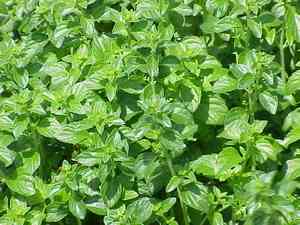
Introduce lesser calamint to warmer conditions gradually by relocating it in mid to late spring or early summer. Select a sheltered location with dappled sunlight and soil that drains effectively to encourage robust root development.
What Preparations are Needed Before Transplanting Lesser Calamint?
What is the Ideal Time for Transplanting Lesser Calamint?
The optimal period for moving lesser calamint is from mid-spring to early summer, when it's most vigorous. This timing allows the plant to establish its root system before the intense summer heat, giving lesser calamint a strong start. Transplanting during this season aligns with its natural growth cycle, promoting root development and ensuring your lesser calamint flourishes. Undertaking this task at this time facilitates a smooth transition for lesser calamint, enhancing both growth and flowering potential.
How Much Space Should You Leave Between Lesser Calamint Plants?
Begin by providing ample room for your lesser calamint plants. These plants appreciate space, so aim for roughly 1-2 feet (30-60 cm) between each one. This will give them sufficient area to develop and thrive.
What is the Best Soil Mix for Lesser Calamint Transplanting?
Your lesser calamint will flourish in soil that drains well, which is crucial for preventing waterlogged roots. Prepare the soil by incorporating organic material or compost to enrich it. Additionally, ensure you apply an initial dose of a balanced fertilizer.
Where Should You Relocate Your Lesser Calamint?
When deciding on a new location for your lesser calamint, remember their preference for sunlight. A spot receiving full, direct sun to partial shade will encourage the best growth. Position your lesser calamint where it will receive sunlight for the majority of the day.
What Equipments Should You Prepare Before Transplantation Lesser Calamint?
Gardening gloves
To safeguard your hands while handling soil and lesser calamint.
Shovel or Spade
Useful for excavating the planting hole for transplantation and for aiding in the removal of the plant from its original spot, ensuring the root ball stays intact.
Garden Pruners
To snip off any dead or damaged parts of the plant prior to transplanting, facilitating a smoother adjustment.
A Watering Can or Hose
Required for hydrating the plant both before and after its relocation.
Bucket
To assist in moving the plant and any surplus soil.
How Do You Remove Lesser Calamint from the Soil?
How Do You Remove Lesser Calamint from the Soil?
From Ground: Start by thoroughly watering the lesser calamint plant; this helps loosen the soil around its roots. Using a shovel, dig a wide trench around the plant, being careful not to harm the roots. Work the shovel beneath the plant and lift gently. Try to keep a substantial amount of soil attached to the root ball if possible.From Pot: The evening before transplanting, water your lesser calamint plant. On the day, tilt the pot sideways and gently pull at the plant's base. If the plant is stuck, try rolling or shaking the pot. Keep the root ball intact and the plant upright.From Seedling Tray: Water the lesser calamint seedlings deeply, then turn the tray on its side. Gently push each cell from the bottom or use a tool to ease the plant out. Avoid pulling the plant by its stem to prevent damage.
Step-by-Step Guide for Transplanting Lesser Calamint
Preparation
Prepare the new planting site before extracting the lesser calamint from its initial spot. The hole should be twice the width of the root ball and equally deep.
Transplantation
Place the lesser calamint plant into the prepared hole. The top of the root ball should be level with the ground. If the roots are compressed, spread them out within the hole.
Backfill
Gradually refill the planting hole with the original soil. Gently firm the soil around the base of the lesser calamint plant.
Watering
Water the plant generously immediately after transplanting, ensuring the root zone is saturated.
How Do You Care For Lesser Calamint After Transplanting?
Monitoring
Closely observe your newly transplanted lesser calamint for the first couple of weeks. Watch for indications of transplant shock, such as drooping leaves and yellowing.
Mulching
Apply a 2-3 inch layer of organic mulch around the base of the lesser calamint, ensuring it doesn't touch the stem; this helps retain moisture and maintain consistent soil temperatures.
Pruning
Trim any dead foliage on the lesser calamint to redirect its energy towards root establishment and new growth.
Troubleshooting Common Issues with Lesser Calamint Transplantation.
When is the best time to transplant lesser calamint?
The optimal period for transplanting lesser calamint is during growth phases S2-S4, typically spanning from late spring to early autumn.
What space should I maintain between lesser calamint plants when transplanting?
A spacing of approximately 1-2 feet (30-60 cm) between each lesser calamint plant during transplanting is ideal for their healthy development.
How deep should I dig to transplant lesser calamint?
Excavate a hole that is roughly twice as wide and as deep as the root ball of your lesser calamint. This provides ample room for the roots.
What type of soil suits lesser calamint while transplanting?
Lesser calamint prefers well-drained soil, rich in organic matter. Amend your soil with compost if needed to supply sufficient nutrients.
What's the ideal watering scheme for lesser calamint after transplanting?
Water lesser calamint thoroughly right after transplanting. Subsequently, maintain a consistent watering schedule based on soil moisture levels, avoiding excessive watering.
Why are my newly transplanted lesser calamint plants wilting?
Wilting after transplanting is common as lesser calamint adapt to their new environment. Keep them adequately watered but not waterlogged. If wilting persists, consider providing some shade.
What kind of sunlight exposure does lesser calamint need post-transplant?
Lesser calamint are sun-loving plants and thrive in full sun to partial shade. Ensure your chosen site offers an appropriate amount of sunlight.
How do I handle lesser calamint roots during transplant?
Handle the roots of lesser calamint gently during transplanting. Minimizing root disturbance aids in rapid establishment in their new location.
Can I fertilize lesser calamint immediately after transplanting?
Wait a few weeks after transplanting lesser calamint before applying fertilizer. This allows the roots to settle and absorb soil nutrients more effectively.
My transplanted lesser calamint are not growing. What might be the problem?
Inspect soil conditions and sunlight exposure. Lesser calamint requires well-drained soil rich in organic matter, and full sun to partial shade for optimal growth.



