How to Transplant Harlequin glorybower?
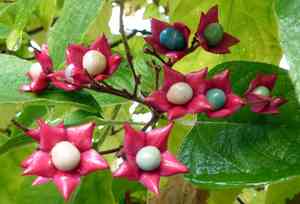
To achieve the best outcomes, relocate harlequin glorybower within the ideal period spanning from late winter to mid-spring. This timeframe facilitates superior root anchoring and development. Select a site featuring soil that drains effectively and offers partial shade. Carefully separate the roots during the transfer process, if necessary, to foster appropriate root expansion.
What Preparations are Needed Before Transplanting Harlequin Glorybower?
What is the Ideal Time for Transplanting Harlequin Glorybower?
Optimally, harlequin glorybower is moved as winter ends and new growth emerges, from early spring to its peak. This allows ample time for establishment before summer's heat. During this period, harlequin glorybower benefits most from ideal moisture and temperature, preparing it for the upcoming summer. The helpful advice here is to always transplant with this seasonal advantage in mind for easier adaptation and strong growth of harlequin glorybower. You're providing it with the best possible start, much like a caring parent.
How Much Space Should You Leave Between Harlequin Glorybower Plants?
When transplanting harlequin glorybower, it's best to space them 24-36 inches (61-91 cm) apart. This provides each plant sufficient room to develop and flourish!
What is the Best Soil Mix for Harlequin Glorybower Transplanting?
To prepare the soil for harlequin glorybower, use well-draining, fertile soil enriched with organic matter. Incorporate a balanced 10-10-10 base fertilizer for optimal development.
Where Should You Relocate Your Harlequin Glorybower?
For harlequin glorybower, select a location with full sun to partial shade exposure. It's adaptable, a bit of shade is fine, but bright sunlight enhances its best features!
What Equipments Should You Prepare Before Transplantation Harlequin Glorybower?
Gardening Gloves
To safeguard your hands while handling roots and soil.
Shovel or Spade
To excavate a hole at the new site and assist in removing the harlequin glorybower plant from its current spot.
Garden Trowel
This smaller implement is useful for loosening soil around roots during extraction, and for final placement and soil adjustment in the new location.
Watering Can
To hydrate the harlequin glorybower plant before and after relocation.
Wheelbarrow
A convenient transport tool for moving the harlequin glorybower plant from its old spot to the new one without damage.
Garden Knife
Useful for trimming off damaged or excessively large roots.
Organic mulch
Helps retain moisture after transplanting.
Pruning Shears
To trim the harlequin glorybower plant before transplanting, if needed.
How Do You Remove Harlequin Glorybower from the Soil?
How Do You Remove Harlequin Glorybower from the Soil?
From Ground: First, water the harlequin glorybower plant to moisten the soil. This makes digging easier and removal less stressful for the plant. Then, dig a wide circle around the plant with your shovel or spade, ensuring the plant's root ball stays intact. Carefully work the spade beneath the root ball and lift the plant from its original spot.From Pot: If the harlequin glorybower plant is currently in a container, watering it before removal can simplify the process. Turn the pot sideways and gently pull the plant out, keeping as much of the root ball intact as possible.Seedling Tray: If the harlequin glorybower plant is a seedling, first water the tray to dampen the soil. Firmly grasp the seedling by its leaves, never by its stem, and carefully lift it, ensuring all roots are extracted fully and unharmed.
Step-by-Step Guide for Transplanting Harlequin Glorybower
Hole Preparation
Prepare a hole at the new site. The hole should be twice as wide and the same depth as the harlequin glorybower plant's root ball.
Plant Placement
Gently place the harlequin glorybower plant into the hole, ensuring it's level with the ground. The top of the root ball should be slightly elevated above the surrounding soil.
Backfilling
Refill the hole with the original soil, compacting it gently but not too firmly.
Watering
Once transplanted, thoroughly water the harlequin glorybower plant. The soil should be completely moist, but not saturated.
Mulching
Apply a layer of organic mulch around the base of the harlequin glorybower plant, leaving a small gap around the stem to prevent rot.
How Do You Care For Harlequin Glorybower After Transplanting?
Monitoring
Observe the harlequin glorybower plant for several weeks to ensure it's adapting to its new environment. Check leaves and stems for signs of stress â such as wilting, yellowing, or drooping.
Regular Watering
Do not allow the soil to completely dry out; consistent watering is crucial in the initial weeks post-transplant. However, be careful not to overwater, as this can lead to root rot.
Pruning
If necessary, prune the harlequin glorybower plant after transplanting to encourage new growth and maintain its form. Use clean, sharp pruning shears to avoid disease.
Troubleshooting Common Issues with Harlequin Glorybower Transplantation.
What's the recommended time in a year to transplant harlequin glorybower?
Harlequin glorybower should ideally be transplanted from early spring through mid-spring for optimal outcomes.
How far apart should I plant each harlequin glorybower?
A spacing of 24-36 inches (61-91 cm) would be ideal between each harlequin glorybower during transplantation to ensure optimal growth.
What kind of soil does harlequin glorybower prefer when transplanting?
Harlequin glorybower thrives in well-draining soil, ideally enriched with organic matter. It should be moist, but not soggy to encourage a healthier root system.
How deep should I plant a harlequin glorybower during transplantation?
Ensure harlequin glorybower is planted at the same depth it was previously growing. Completely cover its root ball for the best results.
Does harlequin glorybower need any specific care post-transplantation?
After transplanting, water harlequin glorybower thoroughly for the first few days. Prune back any dead or damaged branches to help encourage new growth.
What if the harlequin glorybower leaves start to wilt after transplanting?
Wilting may indicate transplant shock. Ensure proper watering and mulch around harlequin glorybower to maintain soil moisture. Consider shielding it from extreme weather temporarily.
How frequently should I water harlequin glorybower after transplantation?
Harlequin glorybower prefers moist soil. However, avoid over-watering to prevent root rot. Typically, thorough watering once a week should suffice.
Does harlequin glorybower require full sun after transplantation?
Harlequin glorybower can tolerate various light conditions, but prefers partial shade to full sun for best growth post-transplantation.
How to handle pests or diseases in harlequin glorybower post-transplant?
Regularly inspect harlequin glorybower for signs of pests or disease. Fungal issues can be reduced by proper watering. For pests, consider appropriate organic or chemical treatments.
Should I fertilize harlequin glorybower after transplanting? If yes, which type is best?
Harlequin glorybower benefits from a balanced fertilizer applied one month post-transplanting to promote growth. Always follow package instructions when applying.



