How to Transplant Bleeding-heart vine?
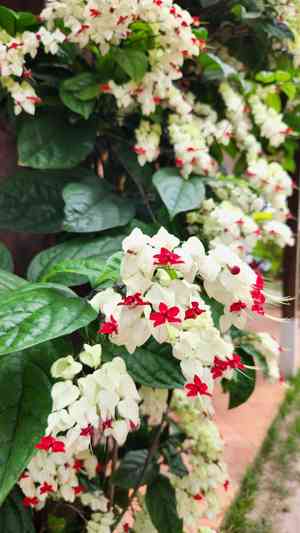
The perfect period for relocating Bleeding-heart vine spans from the beginning of summer to the end of autumn, guaranteeing prime development circumstances. Bleeding-heart vine flourishes in soil that drains effectively and in an area with partial shade. During the transplanting process, handle the root system delicately to prevent harm. Adhering to these helpful suggestions will lead to a successful transplant.
What Preparations are Needed Before Transplanting Bleeding-heart Vine?
What is the Ideal Time for Transplanting Bleeding-heart Vine?
The optimal period for relocating bleeding-heart vine spans from the onset of early summer's warmth to the gentle shades of late autumn. Moving bleeding-heart vine during these seasons promotes robust development due to favorable temperatures. A friendly reminder: it's the perfect timing to enjoy a fruitful bloom! Remember, these are the crucial steps to enjoy an eye-catching bleeding-heart vine in your garden.
How Much Space Should You Leave Between Bleeding-heart Vine Plants?
When transplanting bleeding-heart vine, allow ample room, approximately 3-6 ft (0.9-1.8 m), between individual plants. This spacing enables bleeding-heart vine to expand and flourish, leading to a beautiful and healthy display.
What is the Best Soil Mix for Bleeding-heart Vine Transplanting?
For bleeding-heart vine, utilize a well-draining soil blend containing peat and sand or a similar composition. Establish a strong foundation by incorporating a slow-release balanced fertilizer, such as 10-10-10 or 14-14-14, to encourage vigorous growth.
Where Should You Relocate Your Bleeding-heart Vine?
To ensure your bleeding-heart vine thrives, position it in an area that receives partial sun to light shade. Avoid direct afternoon sunlight, as bleeding-heart vine prefers some protection during the hottest part of the day.
What Equipments Should You Prepare Before Transplantation Bleeding-heart Vine?
Gardening Gloves
To safeguard your hands from soil and any sharp objects while handling the bleeding-heart vine.
Shovel or Spade
These are essential when the bleeding-heart vine is ground-planted and requires excavation for relocation.
Pot
If moving from a container, you'll need another appropriately sized pot to transfer the bleeding-heart vine into.
Hand Trowel
This implement facilitates digging a hole in the soil for the bleeding-heart vine plant.
Watering Can
To hydrate the plant both before and after its relocation.
How Do You Remove Bleeding-heart Vine from the Soil?
How Do You Remove Bleeding-heart Vine from the Soil?
From Ground: Irrigate the bleeding-heart vine plant the day prior to transplanting to soften the surrounding earth. Using a shovel or spade, create a circular trench around the plant, maintaining a good distance from the base to protect the root ball. Gently work the spade beneath the root ball to free the plant, minimizing root damage.From Pot: If the bleeding-heart vine is container-grown, water it lightly and invert the pot while supporting the plant's base. Lightly tap the pot's bottom to release the plant. Refrain from pulling the plant to prevent injury.From Seedling Tray: Gently water the bleeding-heart vine seedlings in their tray. Using a thin, flat tool (like a butter knife), carefully slide it between the soil and the tray to extract the seedling. Hold it by its leaves, not the stem, as you lift it from the tray.
Step-by-Step Guide for Transplanting Bleeding-heart Vine
Preparation
Prepare the new site by excavating a hole twice as wide and slightly deeper than the root ball. Fill the hole with a small amount of water to moisten it.
Planting
Carefully position the bleeding-heart vine in the hole. Ensure the top of the root ball is level with the ground surface.
Backfill
Refill the hole with soil, gently pressing around the plant to ensure it is firm and stable.
Watering
After transplanting, water the bleeding-heart vine generously to settle the soil around the root ball and aid the plant in establishing itself in its new location.
How Do You Care For Bleeding-heart Vine After Transplanting?
Pruning
Following transplantation, you might consider trimming some of the bleeding-heart vine's foliage. This helps the plant direct more energy towards developing new roots and reduces water demand during establishment.
Watering
Keep the bleeding-heart vine plant adequately watered for several weeks post-transplant. However, avoid excessive watering to prevent root rot.
Mulch
Apply a layer of mulch around the plant's base. This will assist the soil in retaining moisture and regulating temperature.
Troubleshooting Common Issues with Bleeding-heart Vine Transplantation.
When is the best time to transplant my bleeding-heart vine?
Your bleeding-heart vine will generally thrive when moved from early summer through late fall. This provides optimal conditions for its growth.
What is the ideal distance between individual bleeding-heart vine?
To encourage their development, bleeding-heart vine should ideally be spaced 3 to 6 feet (0.9 to 1.8 meters) apart.
What should I consider while preparing the new spot for my bleeding-heart vine?
Ensure your chosen location has rich, well-draining soil. Additionally, it should receive ample indirect sunlight; direct sun can scorch bleeding-heart vine.
How deep should the planting hole for bleeding-heart vine be?
Dig a hole that is twice as wide and as deep as the root ball of your bleeding-heart vine. This allows for comfortable root expansion.
After transplanting bleeding-heart vine, what should be the next step?
Water your bleeding-heart vine generously immediately after transplanting. However, be careful not to cause waterlogging, as this can harm the plant.
How important is mulching for my transplanted bleeding-heart vine?
Mulching is crucial. It helps maintain soil moisture and inhibits weed growth. Ensure mulch is kept away from the plant stem to prevent rot.
How frequently should I water my transplanted bleeding-heart vine?
Your bleeding-heart vine requires consistent watering, especially in the initial weeks after transplanting. However, allow the soil to dry between waterings to prevent overwatering.
What signs should I look out for to know if my bleeding-heart vine is suffering after the transplant?
Wilting leaves, yellowing foliage, or stunted growth can indicate distress in your bleeding-heart vine post-transplant. It might require additional care or a potential change in environment.
How long should I wait before fertilizing my transplanted bleeding-heart vine?
Wait at least 2-3 weeks after transplanting before applying any fertilizer. This gives your bleeding-heart vine sufficient time to adjust to its new surroundings.
How do I manage pests after transplanting bleeding-heart vine?
It's vital to regularly inspect your bleeding-heart vine for pests. If observed, use an insecticidal soap or introduce beneficial insects for natural pest control.



