How to Transplant Vasevine?
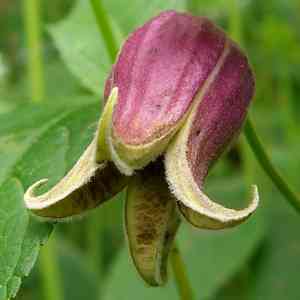
The optimal period for relocating vasevine is from mid-spring to late spring, which offers a smooth seasonal shift conducive to root development. Select a location that drains effectively and receives abundant sunlight. To achieve superior outcomes, verify that the soil is rich and adequately hydrated.
What Preparations are Needed Before Transplanting Vasevine?
What is the Ideal Time for Transplanting Vasevine?
The best time to move vasevine is at the beginning of spring, when temperatures are moderate for root establishment. Transplanting vasevine at this point ensures vigorous development and minimal shock, allowing the plant to flourish in its new spot with the energy of the upcoming growing season. The mild climate promotes root expansion, guaranteeing vasevine's success.
How Much Space Should You Leave Between Vasevine Plants?
When planning to transplant your vasevine, ensure each plant is spaced 1-2 feet (30-60 cm) apart. This provides ample room for individual growth and prosperity. It's a straightforward tip, but crucial for successful gardening!
What is the Best Soil Mix for Vasevine Transplanting?
Your vasevine thrives in well-drained soil enriched with organic matter. Mix compost or aged manure into the soil as a foundational fertilizer. This prepares the soil to deliver essential nutrients for your plant's optimal health!
Where Should You Relocate Your Vasevine?
Your vasevine will flourish in a location receiving full sun to partial shade. This means it requires at least 4-6 hours of direct sunlight daily. So, select a bright spot in your garden; your vasevine will appreciate it!
What Equipments Should You Prepare Before Transplantation Vasevine?
Gardening Gloves
To protect your hands from soil, pests, or sharp parts of the vasevine.
Gardening Shovel
For excavating holes in the ground where the vasevine will be replanted.
Secateurs (Pruning Shears)
To trim roots, if necessary, and remove any dead or damaged sections of the vasevine.
Water Can Or Hose
Essential for hydrating the vasevine both before and after its relocation.
Gardening Trowel
This useful tool will help carefully extract the vasevine from its pot or seedling tray.
Garden Fork
An excellent tool for loosening soil within and around the planting site.
Mulch
To safeguard the plant and maintain moisture levels after transplanting.
How Do You Remove Vasevine from the Soil?
How Do You Remove Vasevine from the Soil?
From Ground: Lightly water the vasevine to help the soil adhere to the roots during extraction. Dig a wide circle around the vasevine, being careful not to harm the roots. Use a spade or garden fork to gently pry the plant from the ground, keeping the root ball intact.From Pot: Before removing vasevine from a pot, water it thoroughly. Invert the pot while supporting the plant's base. Tap the rim against a firm surface and slowly ease the vasevine out. Avoid pulling the plant by its stems.From Seedling Tray: Water the seedlings and carefully separate them. Transplant vasevine without damaging their delicate roots. Each seedling should possess its own root system. Use your fingers or a spoon to gently lift each one.
Step-by-Step Guide for Transplanting Vasevine
Site Preparation
Prepare an appropriate hole in the ground for your vasevine. The hole should be wide enough to comfortably accommodate the root balls without crowding.
Placement
Gently position the vasevine into the hole, ensuring the plant is at the same depth as it was in its original container.
Backfilling
Fill the hole with soil, gently firming it around the base of the vasevine. Do not cover the plant's crown.
Watering
Water the vasevine immediately after planting to settle the soil and eliminate any air pockets.
Mulching
Apply mulch around the vasevine, keeping it away from the stem, to suppress weed growth and conserve soil moisture.
How Do You Care For Vasevine After Transplanting?
Watering
The vasevine requires consistent watering during the initial weeks following transplantation. Be careful not to overwater or allow the soil to become completely dry.
Pruning
Trimming back the vasevine will lessen stress on its root system and stimulate new growth. Cut each stem back by one-third to one-half.
Staking
The vasevine will need a support structure for proper development; ensure it is secured to a trellis, wall, or stake.
Monitoring
Watch for any indications of disease or pests. Yellowing leaves might signal excessive water, while wilting could suggest insufficient moisture.
Troubleshooting Common Issues with Vasevine Transplantation.
What is the best time of the year to transplant vasevine?
The ideal period to transplant vasevine is from late spring to early summer (S2-S3). This allows the plant to establish a robust root system before winter arrives.
What kind of spacing should I keep between each vasevine plant while transplanting?
Maintain a distance of 1-2 feet (30-60 cm) between each vasevine. This provides ample space for each plant to grow and thrive without competing for resources.
How should I prepare the soil for transplanting vasevine?
The soil should be well-draining and rich in organic matter. Amend with compost or well-rotted manure before planting vasevine for healthier growth.
What should I do if my transplanted vasevine isn't growing well?
Ensure it's receiving adequate sunlight and moisture. If these conditions are met, consider a balanced fertilizer to aid growth. Remember to keep a friendly environment for vasevine.
How deeply should I plant vasevine during transplantation?
Dig a hole that is twice the width of the root ball and of equal depth. Place vasevine in the hole so that the top of the root ball is level with the soil surface.
What care should I take after transplanting vasevine?
Water vasevine thoroughly after transplanting. Apply a layer of mulch to retain moisture and reduce weed growth. Monitor for pests and diseases, and treat as needed.
Can vasevine be transplanted alongside other plants?
Vasevine can coexist with other plants provided they share similar requirements for sunlight, water, and soil type. Remember to consider the space each plant needs.
Why have the leaves on my transplanted vasevine turned yellow?
Yellow leaves could indicate overwatering or a nutrient deficiency. Check your watering schedule and soil quality. If necessary, adjust watering and consider a balanced fertilizer.
How frequently should I water vasevine after transplantation?
Regularly during the initial few weeks, especially if the weather is dry. Once established, vasevine typically requires less water and can rely more on rainfall.
How to deal with root bound situation when transplanting vasevine?
If vasevine is root-bound, gently separate the roots. If they are tightly packed, make a few vertical cuts around the root ball before planting.



