How to Transplant Farewell to spring?
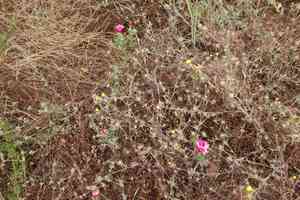
Farewell to spring plants flourish when relocated in early to mid-summer or mid to late autumn, as these periods provide an ideal equilibrium of warmth and humidity. Verify that the chosen site possesses adequately draining soil and abundant sunlight. If required, incorporate organic material to enhance soil quality for robust development and successful transplantation.
What Preparations are Needed Before Transplanting Farewell To Spring?
What is the Ideal Time for Transplanting Farewell To Spring?
The optimal period to relocate farewell to spring is at the start of summer or the core of autumn. This timing supports the plant's development. Moving it during this window results in vibrant, colorful blooms. Farewell to spring flourishes with this timely relocation, proving its value in your garden.
How Much Space Should You Leave Between Farewell To Spring Plants?
For farewell to spring, it's best to position your plants 6-9 inches (15-23 cm) apart when moving them. This provides ample room for growth and aids in establishing robust root systems.
What is the Best Soil Mix for Farewell To Spring Transplanting?
When relocating farewell to spring, prepare a soil that drains well, mixing loam and sand. Incorporate a mild foundational fertilizer, such as compost or aged manure, to supply nutrients for your plant's development.
Where Should You Relocate Your Farewell To Spring?
Select a site for farewell to spring that receives at least 6 hours of sunlight daily. A location with partial shade or filtered light works well, as farewell to spring prefers not to be exposed to intense, direct sun all day.
What Equipments Should You Prepare Before Transplantation Farewell To Spring?
Gardening Gloves
To shield your hands from dirt, thorns, or rough plant matter while handling farewell to spring.
Garden Shovel
Required for excavating holes and extracting the plant from its initial spot.
Garden Trowel
This implement is useful for removing small farewell to spring plants from containers or seedling trays.
Gardening Fork
Utilized for loosening the earth at the new planting site.
Watering Can or Hose
For hydrating the plant during and after its relocation.
Mulch
Applied around the plant's base post-transplant to retain moisture and inhibit weed growth.
How Do You Remove Farewell To Spring from the Soil?
How Do You Remove Farewell To Spring from the Soil?
From Ground: First, water the farewell to spring plant to moisten the soil, which will facilitate digging and reduce stress on the plant. Using a garden shovel, excavate a wide trench around the plant, ensuring the plant's root ball remains intact. Carefully lift the plant from its original position.From Pot: Water the farewell to spring plant a few hours before transplanting to dampen the soil and ease removal. Invert the pot while holding your hand over the soil, with the stem between your fingers. Gently pull the pot upwards to extract the plant.From Seedling Tray: Gently grasp the farewell to spring seedling by its leaves - not the stem, which is easily damaged. Use a spoon or small garden trowel to scoop out the entire seedling, including its roots and surrounding soil, from the tray.
Step-by-Step Guide for Transplanting Farewell To Spring
Inspect the Plant
Prior to relocation, ensure the farewell to spring plant is healthy, showing no indications of pests or disease.
Prepare the Transplant Hole
Use a shovel or garden trowel to dig a hole approximately twice the width and the same depth as the plant's root ball. Loosen the soil at the base of the hole with a gardening fork.
Transfer the Plant
Carefully place the farewell to spring plant into the hole, ensuring it's not planted deeper than it was in its previous spot. Backfill the hole with soil, gently compacting to remove air pockets.
Water Immediately
After transplanting, thoroughly water your farewell to spring plant using a watering can or hose, saturating the soil to the depth of the root ball.
Application of Mulch
Apply a layer of mulch around the plant's base to help retain moisture and deter weeds.
How Do You Care For Farewell To Spring After Transplanting?
Watering
For the initial few weeks, keep the soil of farewell to spring consistently damp, but not waterlogged, to aid in new root establishment.
Monitoring
Observe for any indications of transplant shock, such as wilting or yellowing foliage, and address issues as needed.
Pest Control
Regularly inspect your farewell to spring for pests and diseases to identify any potential problems early.
Pruning
Depending on the growth of farewell to spring after transplanting, light trimming might be necessary to maintain shape and encourage a bushier form.
Troubleshooting Common Issues with Farewell To Spring Transplantation.
When is the best time to transplant farewell to spring?
The optimal period to move farewell to spring is from early to mid-summer or mid to late fall. This offers a good balance of temperature and moisture for the roots.
How far apart should I space farewell to spring when transplanting?
Allow each farewell to spring ample room - approximately 6-9 inches (15-23 cm). This provides sufficient space for roots to establish and plants to develop.
Why is my transplanted farewell to spring wilting?
Wilting typically signals insufficient watering. After relocating farewell to spring, ensure it receives consistent moisture until it's established, but avoid waterlogging the roots.
What should I do if the farewell to spring isn't growing after transplantation?
Ensure it's receiving adequate light, warmth, water, and nutrients. Review your care routine, and consider using a balanced plant food to stimulate growth.
What type of soil is best for transplanting farewell to spring?
Farewell to spring prefers soil that drains well. It can tolerate various soil types, but avoids excessively soggy conditions. A balanced soil pH, between neutral and slightly acidic, is ideal.
Why are the leaves of my transplanted farewell to spring turning yellow?
Yellowing leaves could indicate overwatering or a nutrient deficiency. Re-evaluate your watering schedule and the soil's nutrient content.
Can I transplant farewell to spring under full sun?
Farewell to spring can tolerate some direct sunlight, but aim for a location with partial shade to shield it from harsh afternoon rays after initial relocation.
How to prepare farewell to spring for transplantation?
Prepare farewell to spring for relocation by watering it thoroughly the day before, digging a hole twice the size of its root ball, and gently loosening its roots before placing it in the hole.
How deeply should I plant farewell to spring in the new spot?
The ideal depth is to plant farewell to spring at the same depth it was growing previously. This prevents suffocating roots or exposing them to air drying.
When will I see new growth on my farewell to spring after transplantation?
Typically, farewell to spring requires a few weeks to settle into its new location before you'll observe new growth. This may vary based on environmental conditions, so remain patient and continue caring.



