How to Transplant Yellowwood?
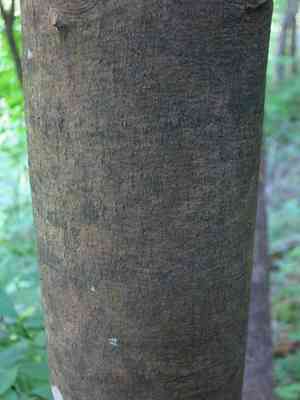
For yellowwood to flourish, relocate it from early spring to early summer or from mid-autumn to late autumn, since these periods facilitate quick root development. Select a site with good drainage and exposure to partial or full sunlight for peak development. Always remember to prioritize the well-being of the roots throughout the transplantation procedure!
What Preparations are Needed Before Transplanting Yellowwood?
What is the Ideal Time for Transplanting Yellowwood?
Optimally, moving yellowwood is best from early spring to mid-summer, or from mid-autumn to late fall. These periods offer the perfect climate and conditions for your yellowwood to adjust, flourish, and establish itself in its new spot. Remember, timing is vital for successful transplantation of your cherished yellowwood.
How Much Space Should You Leave Between Yellowwood Plants?
When relocating yellowwood, ensure each plant is spaced approximately 20-40 feet (6-12 meters) apart. This provides ample room for growth and fosters a healthy environment for them to thrive.
What is the Best Soil Mix for Yellowwood Transplanting?
For yellowwood, a well-draining, slightly acidic soil is most suitable. You can also enrich the soil with a mild, all-purpose fertilizer to supply essential nutrients. Incorporate the fertilizer a few days prior to transplanting for optimal outcomes.
Where Should You Relocate Your Yellowwood?
Select a site for yellowwood that receives full sun or partial shade. They are quite adaptable but prefer at least 4-6 hours of direct sunlight daily for robust growth. Be mindful to avoid very windy locations to protect your plants.
What Equipments Should You Prepare Before Transplantation Yellowwood?
Gardening Gloves
To safeguard your hands while handling soil and yellowwood.
Garden Spade or Shovel
To extract the yellowwood plant from the ground and excavate a hole at the new site.
Gardening Trowel
Useful for extracting the yellowwood plant from a container or seedling tray.
Garden Fork
It aids in loosening a compacted root ball.
Wheelbarrow
To assist in moving the yellowwood plant and soil.
Watering Can or Hose
To hydrate the yellowwood plant before, during, and after relocation.
Mulch
It retains moisture and inhibits weed growth around the yellowwood plant post-transplant.
How Do You Remove Yellowwood from the Soil?
How Do You Remove Yellowwood from the Soil?
From Ground: First, water the yellowwood plant to moisten the soil. Dig a wide circle around the plant with a garden spade or shovel, taking care to keep the root ball intact. Work the spade or fork beneath the root ball to gently lift the plant from the ground.From Pot: Water the yellowwood plant thoroughly before removal. Turn the pot on its side and carefully ease the plant out, keeping the soil and root ball undisturbed. Avoid pulling on the plant's stem to prevent damage.From Seedling Tray: Water the soil before transplanting. Use a garden trowel to carefully remove each yellowwood seedling from the tray. Be cautious not to harm the young roots during extraction.
Step-by-Step Guide for Transplanting Yellowwood
Preparation
Prior to transplanting, water the yellowwood plant thoroughly to minimize stress. Also, ensure the new planting location has been adequately prepared.
Digging
Excavate a hole at the new site that is twice the width and the same depth as the yellowwood plant's root ball.
Placement
Gently position the yellowwood plant in the hole. Adjust the depth by adding or removing soil to ensure the plant is at the identical depth it was in its previous spot.
Backfilling
Fill the hole with soil, gently firming it around the base of the yellowwood plant. Avoid over-compacting the soil.
Watering
Water the yellowwood plant thoroughly after planting. This helps to settle the soil around the roots and ensures the yellowwood plant begins establishing its roots immediately.
How Do You Care For Yellowwood After Transplanting?
Regular Watering
Water the yellowwood plant consistently, but prevent the soil from becoming waterlogged. A newly transplanted plant requires sufficient water to establish its root system.
Protection Against Pests
Monitor the yellowwood plant for any indications of pests or disease. If observed, address with appropriate plant-friendly insecticides or fungicides.
Pruning
If the yellowwood plant exhibits signs of stress after transplanting, such as wilting or browning leaves, consider light pruning. Ensure only affected parts are removed; this encourages new, healthy growth.
Mulching
Apply a layer of mulch around the yellowwood plant. This keeps the soil cool, moist, and discourages weed proliferation.
Troubleshooting Common Issues with Yellowwood Transplantation.
What is the best time of the year to transplant yellowwood?
The most favorable periods are from early spring to mid-summer, and again from mid-autumn to late autumn.
How much distance should I keep between yellowwood while transplanting?
Maintain a gap of 20-40 feet (approximately 6-12 meters) when transplanting yellowwood to ensure healthy growth and ample space.
Are there any specific soil requirements when transplanting yellowwood?
Yellowwood prefers well-drained soil that is rich in organic matter. Consider adding compost or organic material to enhance soil quality if needed.
How deep should I plant yellowwood during transplantation?
The general guideline is to plant yellowwood at the same depth it was in the nursery. Ensure the root collar is not buried.
What's the ideal watering routine after transplanting yellowwood?
Water yellowwood thoroughly immediately after transplanting. Keep the soil moist but avoid overwatering. Consistent watering is crucial for the initial few weeks post-transplanting.
Do I need to prune yellowwood after transplanting?
Minor pruning may be necessary for broken or damaged branches, but extensive pruning is not advised immediately after transplanting. Allow yellowwood to settle in first.
Is there a best spot or location to transplant yellowwood?
Yellowwood thrives in full sun but can tolerate partial shade. The chosen location should reflect this. Good air circulation at the site is also beneficial.
Should I use any fertilizers after transplanting yellowwood?
After transplanting yellowwood, it's best to wait a few weeks before applying a slow-release, balanced fertilizer to support new growth, always following product instructions.
What steps should I take to prepare yellowwood for transplanting?
Before transplanting yellowwood, water it well. Then, carefully remove it from its current spot, keeping as much of the root system intact as possible.
What should I do if yellowwood looks stressed after transplanting?
Ensure yellowwood is receiving adequate water, but not excessively. Consider providing some shade if the plant appears sun-stressed. If issues persist, consult a horticulturalist.



