How to Transplant Key lime?
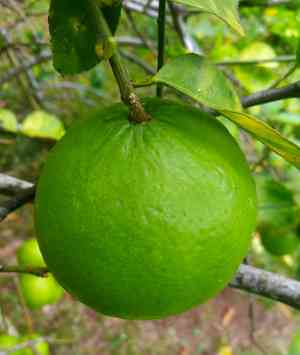
The ideal period for relocating key lime spans from the close of summer to the end of autumn, as the ground retains warmth, facilitating superior root development. Select a bright spot with soil that drains effectively, and thoroughly hydrate key lime following its relocation to achieve the best outcomes. Enjoy your transplanting!
Preparations Required Before Relocating Key Lime?
Optimal Period for Key Lime Relocation?
The best time to move your key lime is from late summer through late autumn. This timeframe allows the plant ample opportunity to recover and establish roots before winter, enhancing its strength and productivity. Select this period for a flourishing, abundant key lime! Your garden will be grateful, I assure you!
Required Spacing Between Key Lime Plants?
When moving key lime, ensure sufficient room for its development. Aim for a separation of 12-15 feet (3.6-4.5 meters) between plants, providing ample area for them to flourish.
Ideal Soil Mixture for Key Lime Relocation?
For key lime, opt for soil that drains well, such as sandy or loamy types, with a slightly acidic pH of 6.0-6.5. Prior to transplanting, enrich the soil with a balanced, slow-release fertilizer or organic compost to supply essential nutrients.
Where to Replant Your Key Lime?
Choose a sunny spot in your garden for relocating key lime, as it thrives in full sun exposure. A minimum of 6-8 hours of direct sunlight daily will ensure robust, healthy growth for this vibrant, perennial plant.
Equipment to Prepare Before Relocating Key Lime?
Gardening Gloves
To safeguard your hands while working with soil and handling the plant.
Garden Trowel
For excavating a hole and carefully extracting the plant from its container or the ground.
Watering Can
To hydrate the plant both before and after its relocation.
Mulch
To retain soil moisture and inhibit weed growth around the plant.
Fertilizer
Specifically formulated for key lime, to nourish it post-transplantation.
How to Extract Key Lime from the Soil?
How to Extract Key Lime from the Soil?
From Ground: First, moisten the key lime plant's soil to facilitate digging. Next, create a wide perimeter around the plant with your garden trowel, being careful not to sever roots. Gradually work the trowel beneath the root ball to lift the plant. Retain as much soil as possible around the roots for the plant's benefit in its new spot.From Pot: Thoroughly water the plant, then gently lay the pot on its side. If it resists, lightly tap the sides. Carefully pull the plant from its base to remove it, keeping as much soil as possible attached to the roots.From Seedling Tray: Water the seedlings initially. Then, use a small utensil like a spoon or stick to lift out the seedling, again, preserving as much original soil around the roots.
Step-by-Step Guide for Relocating Key Lime
Prepare the New Location
Dig a hole twice the width of your key lime's current root ball, and nearly as deep as the root ball's height.
Position the Plant
Carefully place the key lime into the hole. Ensure it's planted at the same depth as its original spot, as planting too deep can cause root disease.
Backfill the Hole
Gradually refill the hole with soil, gently compacting it as you proceed.
Water Thoroughly
Once planted, give the key lime a good watering. This aids in settling the soil around the plant's roots.
Apply Mulch & Fertilizer
Spread mulch around the base to conserve moisture and deter weed growth. Sprinkle key lime-specific fertilizer around the plant, but avoid contact with the trunk.
Post-Relocation Care for Key Lime?
Watering
Maintain consistent soil moisture, avoiding saturation, especially during the initial weeks. This helps the key lime establish its roots in the new environment.
Pruning
Remove any damaged or crossing branches to preserve the tree's structure and encourage new growth.
Protection
In areas with extreme weather, consider using tree guards or windbreaks to shield your key lime.
Monitoring
Look for signs of transplant shock, such as wilting or leaf drop. If observed, verify your key lime is receiving appropriate water levels, and check for pests or diseases.
Resolving Common Issues with Key Lime Relocation.
When is the best time to move key lime?
The optimal period to reposition your key lime is from the close of summer into the beginning of winter.
What is the ideal spacing for key lime?
To allow your key lime ample room to grow, maintain a distance of approximately 12-15 feet (3.5-4.5m) between each plant.
Why isn't my relocated key lime flourishing?
Ensure it receives full sunlight but shield it from intense heat. Avoid overwatering; key lime prefers well-drained soil. Inspect for pests or diseases.
How deep should I plant my key lime saplings?
Your key lime sapling should be planted in the hole deep enough so that its root ball is level with the soil surface.
Should I amend the soil when relocating key lime?
Key lime thrives in well-drained, sandy or limestone-rich soils. Adding organic matter can initially benefit the plant.
What's the best way to water my relocated key lime?
Ensure adequate watering but prevent overwatering. The soil should remain damp, but not waterlogged. Water regularly, especially during dry spells.
Can I relocate key lime indoors?
Yes, key lime can be cultivated indoors if sufficient sunlight is provided. Ensure you have enough space to accommodate its growth.
Why are the leaves of my key lime turning yellow after relocation?
Yellowing leaves often indicate watering problems. Both excessive and insufficient watering can cause this. Adjust your watering routine accordingly.
Can I relocate key lime in the summer?
Key lime can be moved in summer, but it's not the most favorable time. Late summer to early fall yields the best outcomes.
How soon after relocation should I first water key lime?
Water your key lime immediately after relocation to help settle the soil and establish the roots.



