How to Transplant Yellow thistle?
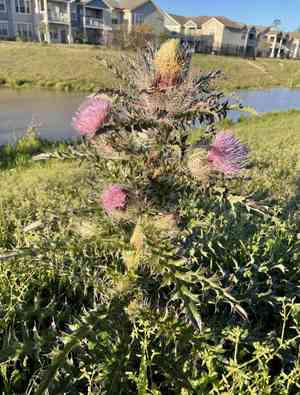
Transplanting yellow thistle flourishes most effectively as winter's cold recedes, preferably in early spring. Select a bright location with soil that drains efficiently. Carefully place yellow thistle into its new home, making certain to disturb the roots as little as possible for a successful shift.
What Preparations are Needed Before Transplanting Yellow Thistle?
What is the Ideal Time for Transplanting Yellow Thistle?
The optimal period for relocating yellow thistle is early to mid-spring, providing the best conditions for new development. Establishing yellow thistle at this point takes advantage of cool, moist soil, which aids root growth. This season enhances the plant's vitality, promoting a strong start that leads to a vibrant summer display. This timeframe is widely considered perfect for successful transplanting, encouraging deeper roots and stronger blooms. Trust in this timingâa spring beginning promises a lush journey for your yellow thistle.
How Much Space Should You Leave Between Yellow Thistle Plants?
When moving your yellow thistle, position them 2-3 feet (60-90 cm) apart. This provides ample room for them to thrive without competing. It's an excellent starting point for new gardeners!
What is the Best Soil Mix for Yellow Thistle Transplanting?
Your yellow thistle flourishes in soil that drains well, yet it's quite adaptable to most soil types. Incorporate some organic compost as a foundational fertilizer. This supplies essential nutrients, giving your yellow thistle a great head start.
Where Should You Relocate Your Yellow Thistle?
Choose a sunny location for your yellow thistle; they require abundant sunlight! Remember to avoid heavily shaded areas. A spot with full sun exposure is often ideal, setting you up for horticultural success.
What Equipments Should You Prepare Before Transplantation Yellow Thistle?
Gardening Gloves
These are crucial for protecting your hands when handling rough soil and the prickly thistles of the yellow thistle plant.
Shovel or Garden Spade
This tool is used for excavating the plantâs root system from its original spot, and preparing a new hole for its relocation.
Watering Can
A watering can with a gentle spray nozzle is highly recommended for carefully loosening the plant's roots and hydrating the plant after transplanting.
Wheelbarrow
This can be utilized to safely move the yellow thistle plant from its initial location to the new planting site. Ensure itâ™s clean to prevent the spread of diseases or pests.
Mulch
Mulch is applied after transplanting to help retain soil moisture and suppress weed growth around the yellow thistle plant.
How Do You Remove Yellow Thistle from the Soil?
How Do You Remove Yellow Thistle from the Soil?
From Ground: Begin by thoroughly watering the yellow thistle plant several hours before transplanting to moisten the soil, which simplifies extraction and reduces plant stress. Using a shovel or garden spade, dig a wide circle around the plant, being careful not to get too close to the main root system. Gradually work the spade beneath the plant, ensuring the root ball stays intact, and gently lift the plant from the hole.From Pot: For yellow thistle grown in a pot, first water the plant and allow it to drain completely. Place your hand over the top of the pot, fingers spread around the plant's base, and invert the pot. With your other hand, gently tap or squeeze it until the plant slides out, along with its roots and attached soil.From Seedling Tray: If the yellow thistle is from a seedling tray, again start by watering. Then, simply use your fingers or a small tool to gently push up from the bottom of the cell or pinch the stem-base to lift the seedling out, trying not to pull or damage the stem or roots.
Step-by-Step Guide for Transplanting Yellow Thistle
Preparation
Ensure the new planting location for the yellow thistle is ready before removing the plant from its original spot. This involves digging a hole twice as wide and the same depth as the root ball. The soil at the bottom should be firm.
Removal
Follow the removal procedure based on the yellow thistle's initial location, as described above. If possible, perform the transplant on a cool, overcast day to minimize plant stress.
Transplanting
Position the yellow thistle plant in the center of the prepared hole, with the uppermost root at the soil surface level. Backfill with the original soil, pressing down gently. Avoid burying the plant too deeply.
Watering
Once the transplant is finished, water generously immediately. Using a watering can with a rose attachment will ensure gentle watering that doesn't disturb the soil or harm the yellow thistle plant.
How Do You Care For Yellow Thistle After Transplanting?
Watering
Immediately after transplanting, provide the yellow thistle with a thorough watering. In the subsequent weeks, the soil should remain damp but not waterlogged. Check the soil's moisture level before each watering.
Mulching
Apply mulch around the base of the yellow thistle plant, leaving some space around the stem. Mulch helps maintain soil moisture and prevents weed competition.
Pruning
If the yellow thistle appears stressed after the move, consider trimming it back by up to one-third. This reduces the plant's need for water and nutrients, allowing it to focus its energy on root establishment.
Monitoring
Closely observe the yellow thistle for a few weeks post-transplant for any indications of disease or pest infestation. Address any issues promptly to ensure the plant's health.
Troubleshooting Common Issues with Yellow Thistle Transplantation.
What's the best time of year to transplant the yellow thistle?
Ideally, yellow thistle should be moved in early to late spring, allowing them ample time to establish themselves before the summer heat arrives.
How far apart should I plant yellow thistle to grow successfully?
To prevent overcrowding, ensure each yellow thistle plant is spaced approximately 2-3 feet (60-90 cm) apart. This provides each plant sufficient room to spread and develop.
What's the optimal soil type for transplanting yellow thistle?
Yellow thistle prefers well-drained soil that is not overly acidic or alkaline. It tolerates poor soil conditions but thrives in nutrient-rich soil.
What degree of sunlight does yellow thistle need when transplanted?
Yellow thistle requires full sunshine for optimal growth and flowering, at least 6 hours daily. For transplanting, select a spot that receives maximum sunlight.
What care should I take after transplanting yellow thistle?
Water it thoroughly immediately after transplanting, then continue regular watering until it's established. Lightly mulch around the base to reduce weeds and retain moisture.
How deep should I plant the yellow thistle when transplanting?
When transplanting yellow thistle, ensure the roots are covered with soil, but the plant's crown (where the stem and root meet) is just above the soil surface.
How do I ensure the yellow thistle transplant survives the transplant shock?
To lessen transplant shock, water it well before and after transplanting. Also, prune the top growth to reduce water loss from the leaves.
What can be done if the yellow thistle transplant doesn't show signs of life a week after transplanting?
Be patient; sometimes, it takes longer for new plant growth to appear. Continue regular watering and monitor the plant for another week or two.
Should I use any special kind of fertilizer for yellow thistle after transplanting?
You can use a general-purpose garden fertilizer, but yellow thistle doesn't strictly require it. If the soil quality is good, the plant will thrive.
What if my yellow thistle starts wilting after transplanting?
Wilting often indicates stress from insufficient watering or excessive sunlight. Verify that the plant is being watered effectively and is not suffering from intense sun exposure.



