How to Transplant Cultivated endive?
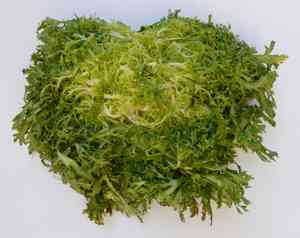
The most favorable period for relocating cultivated endive is the mild warmth of late spring, facilitating seamless adaptation. Select a bright spot featuring soil that drains effectively. Should area be limited, contemplate growing in containers for simplified care.
What Preparations are Needed Before Transplanting Cultivated Endive?
What is the Ideal Time for Transplanting Cultivated Endive?
The perfect time to move cultivated endive is in the mild warmth of late spring. This period offers optimal temperatures for root establishment, avoiding the intense heat of summer.
How Much Space Should You Leave Between Cultivated Endive Plants?
Ensure adequate spacing when preparing to plant cultivated endive in the ground. Aim for a distance of approximately 1-2 feet (30-60 cm) between each plant. This room allows your plants to thrive.
What is the Best Soil Mix for Cultivated Endive Transplanting?
For peak growth, cultivated endive thrives in rich, well-drained soil with a compost or well-rotted manure base. Begin by amending your soil with these materials. An ideal pH level is between 5.5 and 7.0, so consider testing your soil's pH.
Where Should You Relocate Your Cultivated Endive?
Cultivated endive enjoys sunlight but needs balance. Find a garden spot that receives about 2-4 hours of daily sunlight. Try to avoid areas with overly intense afternoon sun to prevent wilting. Happy transplanting!
What Equipments Should You Prepare Before Transplantation Cultivated Endive?
Gardening Gloves
To safeguard your hands while handling soil and cultivated endive.
Spade or Trowel
Necessary for digging and managing the earth.
Watering Can
To provide immediate hydration to the transplant and its new location after moving.
Wheelbarrow or Plant Trolley
To safely move the cultivated endive plant from its original spot to the new one without harm.
Gardening Fork
To gently loosen the soil around the roots when extracting the plant from the ground.
How Do You Remove Cultivated Endive from the Soil?
How Do You Remove Cultivated Endive from the Soil?
From Ground: Start by watering the cultivated endive plant to moisten the soil, making it easier to work with. Using a spade or trowel, dig a wide trench around the plant without disturbing its root system. Excavate around the root ball, slowly getting underneath it, ensuring minimal or no damage to the roots. Gently lift the plant with careful movements, avoiding any significant force.From Pot: Begin by watering the cultivated endive plant in its container; this helps reduce root shock. Tilt the plant sideways, hold it gently by the stems or leaves, and tap the bottom of the pot until the plant slides out. Avoid any pulling or tugging.From Seedling Tray: Moisten the soil in the tray before attempting to remove the cultivated endive seedlings. Hold the base of the plant stem between your fingers, flip the tray on its side, and gently tap it to release the seedlings. Avoid applying excessive force that could harm the seedling roots.
Step-by-Step Guide for Transplanting Cultivated Endive
Hole Preparation
Prepare a hole at the new site that is twice the width of the cultivated endive root ball and of the same depth. Create a soil mound in the center of the hole to support the root system.
Plant Placement
Position the cultivated endive plant over the mound in the hole, spreading its roots around it. The top of the root ball should be level with or slightly below the soil surface.
Soil Refill
Backfill the hole with the original soil. The cultivated endive plant should be firmly placed but not overly compacted. Water the plant immediately after planting to settle the soil around the roots.
Watering
Water the cultivated endive plant right after transplanting. The soil should be kept moist, but not excessively wet.
How Do You Care For Cultivated Endive After Transplanting?
Watering
Until it establishes, the cultivated endive plant requires thorough watering. Ensure the soil remains consistently moist but not waterlogged. Too much water can cause root rot, while too little can lead to wilting.
Mulching
Apply a layer of organic mulch around the base of cultivated endive, keeping it away from the stem, to help retain moisture and suppress weeds.
Monitoring
Keep a close watch on the cultivated endive plant after transplant. Look for signs of stress such as wilting or yellowing leaves. If symptoms persist, consult a local nursery or extension service.
Troubleshooting Common Issues with Cultivated Endive Transplantation.
What is the best time to transplant cultivated endive?
The optimal transplanting period for cultivated endive is during S2. This is when the plant experiences its most vigorous growth.
What is the ideal space between cultivated endive plants when transplanting?
Transplant cultivated endive approximately 1-2 feet (30-60cm) apart. This spacing provides each plant with sufficient room to grow without competition.
What soil conditions does cultivated endive prefer when transplanting?
Cultivated endive thrives in well-drained, fertile soil. Incorporating organic matter before transplanting can enhance soil fertility.
How deep should I plant cultivated endive during transplantation?
When transplanting, set cultivated endive at the same depth they were growing in their nursery. This prevents root damage.
What is the proper watering regime for cultivated endive after transplanting?
Water cultivated endive regularly after transplanting. Keep the soil consistently moist but be careful not to overwater and cause waterlogging.
What should I do if the transplanted cultivated endive show signs of wilting?
Wilting after transplanting may be due to transplant shock. Water the cultivated endive thoroughly and shield it from direct sunlight until it recovers.
Should I fertilize cultivated endive after transplanting?
Fertilization is not immediately necessary after transplanting cultivated endive. Wait a few weeks and then feed with a balanced, slow-release fertilizer.
How do I deal with pests on my transplanted cultivated endive?
Regularly inspect cultivated endive for pests. If found, use an eco-friendly insecticide or introduce beneficial insects for pest control.
Can I transplant cultivated endive into pots?
Yes, cultivated endive can be grown in pots. Ensure the container is deep enough to accommodate the root system and has adequate drainage.
What sun exposure is best for cultivated endive after transplanting?
Cultivated endive prefers full sun to partial shade. Ensure your transplanted cultivated endive receives at least 4-6 hours of daily sunlight.



