How to Transplant Spider plant?
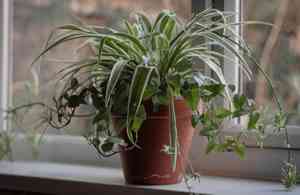
The most suitable period for relocating spider plant is from mid-spring through late spring, or mid-autumn through late autumn, since these periods offer ideal growing environments. Spider plant flourishes in soil that drains effectively and receives ample, diffused illumination. Be sure to manage the root system with care to guarantee a successful transfer.
What Preparations are Needed Before Transplanting Spider Plant?
What is the Ideal Time for Transplanting Spider Plant?
The optimal period for relocating spider plant is from mid to late spring or mid to late autumn. This timing allows the plant to establish robust roots prior to extreme temperatures, enhancing its adaptability and long-term vitality.
How Much Space Should You Leave Between Spider Plant Plants?
When moving your spider plant, ensure approximately 1 foot (30 cm) of distance between each specimen. This promotes healthy development and prevents overcrowding, which can hinder air circulation and sun exposure.
What is the Best Soil Mix for Spider Plant Transplanting?
For your spider plant, opt for a well-draining soil, ideally a blend of potting soil and peat moss or perlite. Before transplanting, mix a balanced slow-release fertilizer, such as 14-14-14, into the soil to encourage strong root growth.
Where Should You Relocate Your Spider Plant?
Select a spot for your spider plant that receives bright, indirect sunlight, like near an east or west-facing window. Avoid direct sun, as it can scorch the plant's leaves, causing them to brown.
What Equipments Should You Prepare Before Transplantation Spider Plant?
Gardening Gloves
To safeguard your hands while handling soil and the plant.
Trowel
For excavating the planting hole and removing soil around the root mass.
Shovel or Spade
To assist in extracting the plant from its original spot, especially if it's in the ground.
Pruning Shears
For trimming any damaged roots or foliage.
Garden Fork
To loosen the soil at the new planting site before placement.
Watering Can or Hose
To hydrate the plant before and after relocation.
Measuring Tape
To ensure correct spacing between plants.
Plant Labels or Markers (optional)
To identify the transplanted plant's location for future reference.
How Do You Remove Spider Plant from the Soil?
How Do You Remove Spider Plant from the Soil?
- From Ground:First, moisten the spider plant's soil. Then, dig a wide trench around the plant with a shovel or spade, keeping the root ball intact. Carefully work the spade beneath the root ball to lift the plant from its original position.- From Pot:Water the spider plant and let it drain for a few minutes. Gently lay the pot on its side and carefully slide the plant out, supporting the root ball with one hand.- From Seedling Tray:Water the spider plant seedlings and allow them to drain. Use a trowel or your fingers to carefully extract each seedling from the tray, ensuring the root ball is supported to prevent harm.
Step-by-Step Guide for Transplanting Spider Plant
Preparation
Thoroughly water the spider plant a few hours before transplanting to ensure hydrated roots and damp soil. This facilitates easier removal and minimizes transplant shock.
Site Preparation
Loosen the soil at the transplant site using a garden fork, digging to the depth of the root ball and making it at least twice as wide. This encourages robust root development in the new location.
Plant Removal
Extract the spider plant from its original location using the appropriate method based on its current setting (ground, pot, or seedling tray).
Root Inspection and Pruning
Examine the root ball for any damaged or tangled roots, and trim them with pruning shears as necessary. This aids in the plant developing a healthy root system post-transplant.
Plant Placement
Carefully position the spider plant in the prepared planting hole, ensuring the top of the root ball is level with the surrounding soil.
Backfilling
Fill the planting hole around the spider plant's root ball, gently firming the soil as you proceed. Ensure the soil level remains even with the top of the root ball.
Watering
Water the spider plant thoroughly after transplanting to help settle the soil and provide moisture to the roots. Avoid excessive watering; the soil should be uniformly moist but not waterlogged.
How Do You Care For Spider Plant After Transplanting?
Watering
Keep the soil around the spider plant consistently moist, but not saturated, for the initial weeks post-transplant to aid in root establishment. Gradually decrease watering frequency as the plant settles.
Pruning
Trim any yellowing or damaged leaves or stems from the spider plant as it recovers from relocation. This promotes fresh, healthy growth.
Mulching
Apply a layer of organic mulch around the spider plant to help retain soil moisture and suppress weed growth.
Monitoring
Observe the spider plant for any indications of stress, pest infestations, or diseases. Address any issues promptly to ensure the health and success of the relocated plant.
Troubleshooting Common Issues with Spider Plant Transplantation.
When is the best time to transplant spider plant?
Ideally, move spider plant during mid to late spring, or mid to late fall, for optimal growth and success.
What is the ideal spacing for transplanting spider plant?
For healthy growth, allow 1 foot (30 cm) of space between each spider plant when relocating.
How to choose a suitable pot or container for transplanting spider plant?
Select a pot with drainage holes, approximately 2-3 inches (5-8 cm) larger in diameter than the spider plant's root ball.
What type of soil should I use when transplanting spider plant?
Utilize well-draining, slightly acidic to neutral soil with a pH between 6.0 and 7.2 for relocating spider plant.
Do I need to prune spider plant before transplanting?
It's advisable to remove any dead or damaged leaves and roots prior to transplanting to encourage healthy development.
How deep should spider plant be planted when transplanting?
Plant spider plant at the same depth as it was in its previous location to prevent stress and promote healthy growth.
How much water does spider plant need after transplanting?
Water spider plant thoroughly after transplanting, but allow the soil to dry slightly between waterings to prevent overwatering.
How do I ensure proper root growth for my newly transplanted spider plant?
After transplanting, gently press the soil around the plant to eliminate air pockets and ensure good root contact.
Do I need to fertilize spider plant after transplanting?
Wait 4-6 weeks post-transplant before applying a balanced, water-soluble fertilizer for optimal growth.
Can I transplant multiple spider plant in one container?
You can relocate multiple spider plant into a single container, but maintain a 1-foot (30 cm) spacing to ensure healthy growth.



